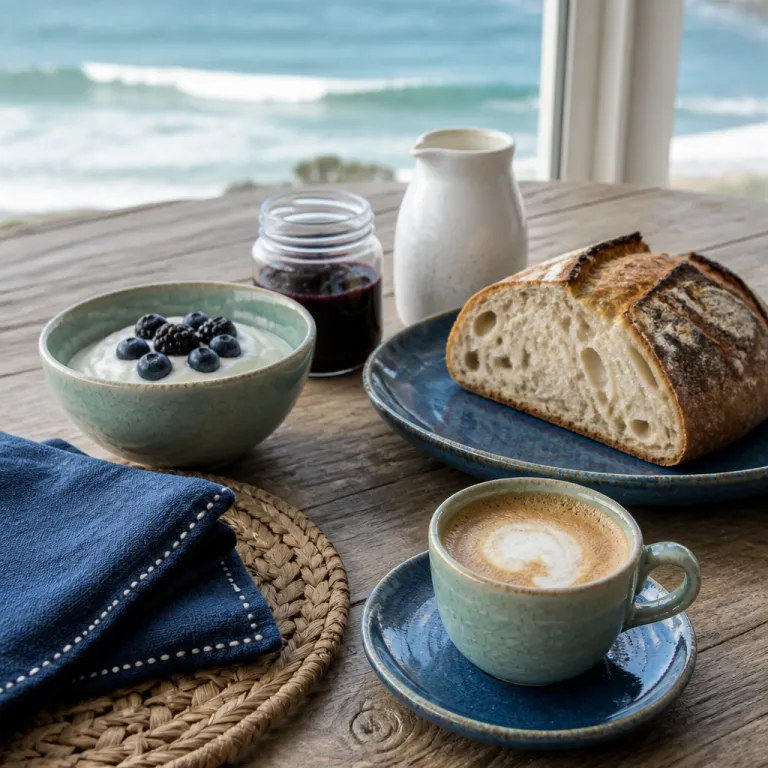
The morning table as an inn’s quiet manifesto
Walk into an inn’s dining room at 7:30 and you read its character before you taste a single bite. The way breakfast opens, from the first pot of coffee to the last slice of french toast leaving the kitchen, tells you how seriously the inn treats its promises about comfort, locality and care. For couples weighing inn breakfast experience quality against room rate and location, this first meal often decides whether the stay feels like a fleeting park stop or a meaningful pause in the journey.
Luxury and premium properties understand that breakfast is not just a meal but a curated dining experience that frames the entire day. When an innkeeper walks the room, greets guests by name and explains the food provenance, you sense the same stagecraft you might feel during character dining at a themed restaurant, only here the characters are the chef, the farmer and the host. The best inns share their values at the morning table with the same clarity that Walt Disney once used to define the spirit of a park ; everything from the butter to the bread becomes part of the story.
In this context, the inn breakfast experience quality is as revealing as any spa or suite upgrade. A thoughtful breakfast buffet with seasonal fruit, local yoghurt and made to order eggs signals investment in both ingredients and people, while a limp continental tray suggests a property that will cut corners wherever guests are least likely to complain. When you compare options on a booking platform, treat the breakfast description as you would a map of Main Street in a resort ; it shows you where the energy, ambition and real hospitality live.
Fixed times, open windows and what they say about you as a guest
How an inn structures breakfast hours is a precise indicator of its attitude toward guests. A narrow breakfast park style slot from 7:00 to 8:30, enforced with the firmness of a parade schedule at Disneyland, can feel efficient yet unforgiving for couples seeking a slow morning after a long travel day. By contrast, a generous window from 6:30 to 10:00, aligned with the dataset’s typical timeline, respects jet lag, early hikes and late nights, and it usually correlates with higher inn breakfast experience quality.
Fixed seating times can work beautifully when the meal is treated as a semi theatrical character meal, with the innkeeper moving from table to table like Minnie Mouse on Main Street, sharing tips about local walks and hidden cafés. In such settings, reservations for specific sittings help the kitchen manage a complex breakfast buffet or plated service, just as reservations structure character meals at a busy park restaurant. The key is whether those fixed times feel like a thoughtful dining experience or a rigid system designed only for staff convenience.
Open service windows suit couples who want to slip in quietly, enjoy a slow character breakfast of their own making and then head out to the day’s plans. When an inn offers both an early bird spread and a later, more elaborate breakfast plaza style service, it mirrors the flexibility of a well run resort that understands different rhythms within the same property. For a deeper look at how flexible service shapes guest satisfaction, our guide to the elevated Chinese inn buffet experience explores how timing, flow and layout influence perceived food quality and overall experience.
Local sourcing, seasonal menus and the ethics on your plate
At a serious inn, breakfast is where sustainability steps out of the brochure and onto your plate. When 75 % of inns now source at least part of their breakfast ingredients locally, according to recent hospitality data, the question for discerning couples is not whether local food appears but how meaningfully it shapes the inn breakfast experience quality. The most convincing properties treat the morning meal as a daily contract with nearby farmers, bakers and beekeepers rather than a marketing flourish.
Look for menus that name suppliers with the same pride a sommelier names vineyards, whether that is eggs from the field behind the inn or honey from hives at the edge of the park. These details echo the way Napa Rose at Disneyland Resort highlights Californian producers, proving that even in a themed environment, provenance can be central to the dining experience. When an inn’s chef explains that the french toast uses bread from the village plaza bakery and berries from a neighbour’s garden, you feel the same narrative satisfaction that guests seek from character interactions in a carefully staged restaurant.
Ethical sourcing also extends to plant based and vegetarian options, now expected as standard in premium hospitality. A breakfast buffet that gives as much space to roasted vegetables, grains and dairy free choices as to bacon and sausages signals a property that understands modern dietary needs, not just nostalgia. For couples who care about gastronomy as much as lodging, our feature on Szechuan inn stays shows how regional cooking, spice and seasonality can turn a simple morning meal into a reason to return.
Communal tables, private corners and the theatre of morning sociability
The layout of an inn’s breakfast room is as revealing as the menu itself. A long communal table down the centre, with smaller two tops along the walls, tells you whether the property sees breakfast as a social park or a private retreat. Couples should decide in advance whether their ideal inn breakfast experience quality involves quiet conversation or gentle character interactions with fellow travellers.
Communal seating can feel like a live action character dining script, where each guest brings their own story and the innkeeper plays host, matching personalities as deftly as a maître d’ at a busy plaza inn in a resort town. When it works, strangers share tips about hiking routes, train timings and the best local restaurant for dinner, turning breakfast into a low key information exchange. The atmosphere can resemble a relaxed version of character meals at a theme park, only here the characters are hikers, winemakers and weekend escapees rather than Chip and Dale.
Private tables, by contrast, suit couples who treat breakfast as a quiet character meal for two, perhaps with a view of the garden instead of a parade route. In these settings, the innkeeper’s brief visits to pour coffee or offer a second helping of french toast become the main character interactions, subtle yet memorable. For travellers balancing budget and privacy, our analysis of comfort and value at premium inns explains how room type, breakfast style and service culture combine to shape the overall dining experience and perceived value.
The host in the kitchen and the breakfast that earns your return
Nothing shapes inn breakfast experience quality more than who actually cooks the meal. When the host is visible in the kitchen, moving between stove and dining room, there is an accountability that no outsourced team can match, and guests sense that any misstep will be corrected before it becomes a pattern. This visibility mirrors the way a well run park keeps its characters in view, reassuring visitors that the story holds together from backstage to Main Street.
Some luxury inns borrow cues from character breakfast formats at places like Plaza Inn in the Magic Kingdom or the breakfast plaza service at Disneyland Resort, not by importing Disney characters but by choreographing service with similar precision. Plates arrive in a gentle rhythm, coffee cups never sit empty and the meal unfolds like a calm, unscripted show. In these properties, the dining experience feels as considered as a character meal, only the narrative centres on local eggs, house made jam and perhaps a single, perfect slice of french toast rather than Minnie Mouse and friends.
Bad breakfast, by contrast, exposes every corner cut in the operation, from cheap ingredients to indifferent staff who will not share basic information about allergens or sourcing. As one industry reference puts it with disarming clarity ; “Why do inns emphasize local ingredients? To support local farmers and offer fresh, authentic flavors. How do breakfast offerings reflect an inn's values? They showcase commitments to sustainability, quality, and local culture. What are common breakfast trends in inns? Farm-to-table menus, plant-based options, and zero-waste practices.” When you find an inn where the morning table lives up to that standard, you have found a place worth planning your next day, and perhaps your next trip, around.
FAQ
How can I quickly judge an inn’s breakfast quality before booking ?
Read recent guest reviews that mention breakfast in detail, not just star ratings. Look for references to local ingredients, flexible hours and whether staff handle dietary needs confidently. Photos of the breakfast buffet or plated meal can also reveal whether the food looks fresh, seasonal and thoughtfully presented.
Why does local sourcing matter so much at breakfast ?
Breakfast relies heavily on ingredients that are easy to source locally, such as eggs, bread, dairy and fruit. When an inn buys these from nearby farms and artisans, flavours improve and the local economy benefits. This approach also reduces transport impact and usually signals broader commitments to sustainability across the property.
Are plant based options now standard in premium inns ?
In most luxury and premium properties, plant based and vegetarian choices are no longer a niche request. You should expect clearly labelled options such as non dairy milks, vegetable based hot dishes and fruit led plates. If these are missing from the description, contact the inn in advance to confirm what the kitchen can provide.
Is a buffet or à la carte breakfast better for couples ?
A buffet offers range and speed, which suits early departures or guests who like to sample many small portions. À la carte service usually delivers hotter, more precise cooking and a calmer atmosphere, ideal for slow mornings. The best inns combine both, with a small buffet for basics and cooked to order dishes for the main meal.
Should I choose an inn with communal breakfast tables or private seating ?
Communal tables work well if you enjoy meeting other travellers and gathering local tips in an informal way. Private tables suit couples who prefer quiet conversation or who are starting a busy work day. Many premium inns now offer both, so you can choose the mood that fits each morning of your stay.