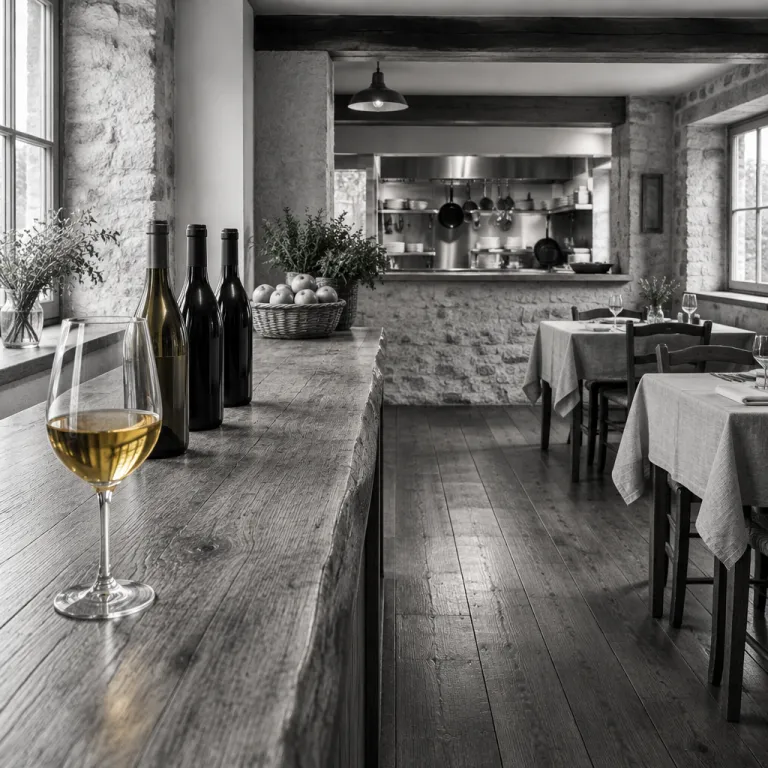
Reading a country inn wine list like a quiet manifesto
A serious country inn wine list is never just a roll call of labels. When an inn offers a short page of wines that clearly match the kitchen, you are reading a quiet manifesto about how the landlord thinks about food, service and hospitality. A long, unfocused list can look impressive, yet people who care about great dining quickly sense when it has been bought by spreadsheet rather than palate.
Look first at how many bottles sit on the page and how they relate to the menu, because a concise selection usually signals that every wine has been tasted beside the house dishes. In a well run country inn, the same person who talks you through the food and the wines has probably stood at the farm table with the chef, checking which cabernet sauvignon flatters the slow braise and which sauvignon blanc keeps the finish clean with grilled trout. That is when a rural inn wine list becomes a working tool for flavor rather than a trophy cabinet.
Short lists also tend to age better, since they are easier to keep fresh and correctly stored in a small restaurant cellar. You will often find a handful of medium bodied reds, one red blend with supple fruit flavors and a couple of bright whites, all poured at the right temperature and served in decent stemware. When the inn is serious, even the wine and beer selection feels curated, with local wines and craft ales chosen to sit comfortably beside the food rather than shout over it.
Local bottles, local foods and why place matters more than length
The most telling line on any country inn wine list is the one that names the region just beyond the hedgerow. When you see bottles from the surrounding wine country sitting beside farm table vegetables, grass fed beef and fresh local cheeses, you know the restaurant is anchored in its landscape. A list that jumps straight from generic cabernet sauvignon to anonymous sauvignon blanc without a single nearby producer often signals a missed opportunity.
Inns that take place seriously tend to write menus and lists together, so the same country that grows the fruit and rice for your plate also shapes the flavors in your glass. A grilled trout with herb butter might be paired with a medium bodied white from a hillside vineyard ten kilometres away, while a slow cooked lamb shoulder meets a red blend whose fruit flavors echo the dark berries in the sauce. At a Colorado inn near Palisade, for example, a plate of roasted root vegetables and lamb might be matched with a syrah from the Grand Valley AVA, while a goat cheese salad is poured with a crisp riesling from the same valley. This is where a country inn, especially one that serves both lunch dinner and a relaxed fri sat menu, can feel more intimate than a large city restaurant.
For couples planning a visit, ask how the wines were chosen and listen for names, stories and seasons rather than marketing slogans. A host who talks about walking the rows with a grower, tasting fresh fruit at harvest and adjusting the list when a vintage runs out is usually the same person who keeps the food good and the service calm on a busy evening. For more detail on how thoughtful pairings elevate an inn table, the guide to elevated inn restaurant experiences offers a useful framework for reading both menus and wine lists together.
House pours, markups and what the glass in your hand reveals
Nothing on a country inn wine list tells you more about the kitchen than what is poured by the glass when you simply ask for a red or a white. The house wine is the inn’s philosophy in liquid form, because it is what most people will drink with their food without ever opening the list. If that glass feels mean, tired or poorly matched to the restaurant menu, it is hard to trust the rest of the cellar.
In a well run country inn, the house red might be a medium bodied cabernet sauvignon or a soft red blend with gentle fruit flavors that can move from charcuterie to roast chicken without a clash. The house white could be a clean, citrus led sauvignon blanc that keeps pace with fresh local salads, regional comfort dishes and lighter prepared classic dishes rooted in a quiet French tradition. When these wines are served at the right temperature, in clean glasses and with an easy explanation, you are in safe hands.
Pricing matters too, especially for couples settling in for a long lunch dinner or a relaxed fri sat evening. Fair markups encourage a second glass and show that the inn values convivial dining over quick profit, which often goes hand in hand with great food and attentive service. A typical country inn might charge two and a half to three times retail for a bottle, with house wines by the glass priced so that a couple can share a carafe without hesitation. If you want to see how a focused list and honest pricing can elevate an entire stay, look at the detailed review of how the Ox Yoke Inn menu shapes a luxury stay ; the same principles apply wherever the fire is lit before you arrive.
How the list should speak to the plate, from farm table to finish
A thoughtful country inn wine list reads like a second menu written in the same hand as the kitchen. Every line should anticipate what guests actually eat, from farm table platters shared by a family to the quiet two course supper ordered by a couple at the tapestry lounge. When the list feels welded to the food, you sense that chef and landlord taste together rather than operate in separate worlds.
Start by checking whether the wines cover the full arc of the meal, not just the main course, because good pairing begins with the first bite and ends with the last sip. A crisp sauvignon blanc might be suggested with a plate of fresh fruit and soft goat cheese, while a medium bodied red blend steps in for slow braises, grilled regional specialties or dishes prepared classic in the style of a small country auberge shaped by French tradition. Even the final glass matters, whether it is a late harvest wine, a local beer or simply a clean, dry white that leaves the finish bright after rich food.
Menus that change with the seasons demand agile lists, so ask how often the wines are updated and whether new dishes prompt new bottles. When an inn adjusts its local wines as regularly as its vegetables, you can expect food good enough to justify a detour and service confident enough to guide you without fuss. For couples travelling with parents or grown children, the way an inn balances these choices across generations is explored in depth in this piece on multi generational inn stays, which also touches on how shared tables and shared bottles create lasting memories.
Questions to ask, signals to trust and how to choose your inn
When you sit down in a new inn and open a country inn wine list, the most useful tool you have is the person pouring. Ask what they like to drink with tonight’s specials and listen for concrete pairings, such as a medium bodied cabernet sauvignon with the grilled steak or a local sauvignon blanc with the herb crusted fish. Vague answers usually mean the list was bought, not lived with.
Good service staff will happily steer you toward local wines that flatter the kitchen, whether you are ordering a simple bowl of rice with seasonal vegetables or a full three course dinner built around classic French sauces. They might suggest a red blend with soft fruit flavors for roast poultry, a lighter wine beer option for fried regional dishes or a glass of something fresh and mineral to cut through richer food. When they mention how a bottle was served last night with great food and how the guests reacted, you are hearing real experience rather than a script.
Pay attention to small details such as how quickly your glass is refreshed, whether the wine arrives before the plate and how the staff handle a polite complaint, because these cues reveal as much as the labels themselves. A country inn that treats every guest, from a couple in the corner to a noisy family at the farm table, with the same calm attention usually runs a tight kitchen too. Over time you will learn to read these signals as clearly as any printed list, and that is when choosing where to visit becomes less about star ratings and more about the quiet confidence of a well chosen cellar.
FAQ
How many wines should a good country inn list have ?
A strong country inn wine list does not need hundreds of labels to feel serious. For a small inn restaurant, twenty to forty well chosen wines, including several local wines and a balanced mix of medium bodied reds, whites and a red blend or two, is usually enough. The key is that every bottle has a clear role with the food rather than simply filling space.
What are the signs that an inn really supports local producers ?
Look for specific regional names on the list and on the menu, such as nearby wine country appellations, farm table suppliers and references to fresh local vegetables or signature regional dishes. Staff should be able to explain which dishes are prepared classic with ingredients from close by and which wines carry fruit flavors that reflect the same country landscape. When the restaurant changes its list with the seasons, that is another strong signal.
Is it better to order house wine or a bottle from the list ?
In a well run inn, the house wine by the glass should be a safe, good value choice that matches a wide range of food, from simple rice dishes to richer classic French plates. If the first glass feels balanced, medium bodied and properly served, you can trust the rest of the list. When in doubt, ask the server whether the house pour or a specific bottle will work better with what you have ordered.
How can couples choose wines that suit different tastes at the same table ?
Couples often have different preferences, so a flexible option is to choose a versatile medium bodied red blend or a fresh, not too aromatic sauvignon blanc that pairs with several dishes. Another approach is to order wines by the glass, allowing each person to match their own food good plate, whether that is grilled fish, regional comfort food or a vegetarian farm table selection. A thoughtful country inn wine list will usually offer enough by the glass choices to make this easy.
What should I do if a recommended pairing does not work with my dish ?
If a pairing feels wrong, say so early and politely, explaining what you taste, such as too much oak, too heavy a body or fruit flavors that clash with the sauce. Professional service teams in serious inns would rather replace a glass and keep your dining experience harmonious than leave you with a poor match. Their response will tell you a great deal about the overall hospitality philosophy of the country inn.