From cottagecore staging to real hearthside hospitality
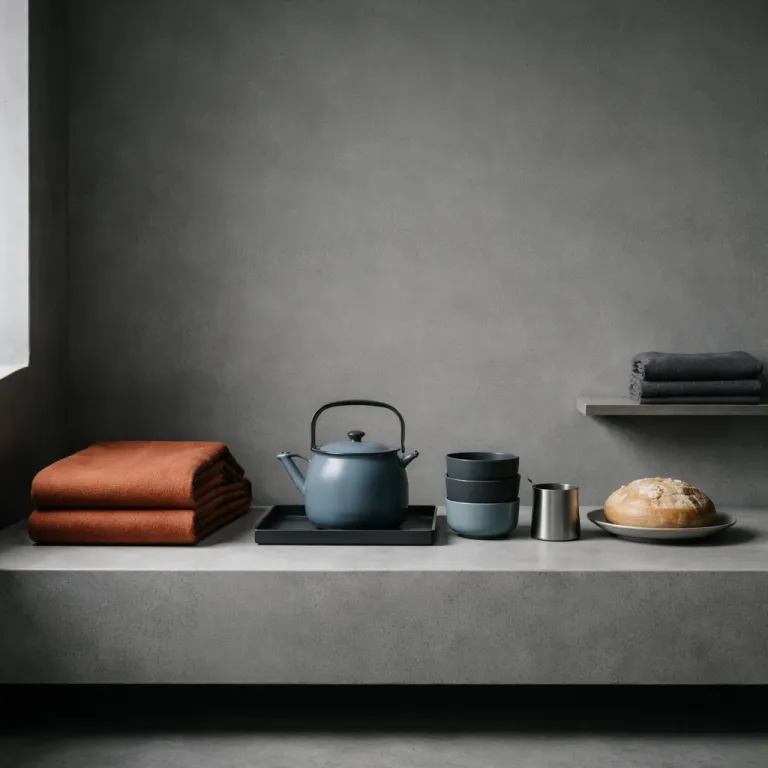
Cottagecore in an inn context is mostly about props and poses. It is the gingham curtain, the enamel jug, the jam jar on a reclaimed table, while the real work of hearthside hospitality happens out of frame and over years. When you book a stay, you will feel the difference between a styled hearthside and a lived in hearthside within the first hour.
Think of cottagecore as a set of things for sale, a mood board selling you an idea of rural ease without the graft that sustains it. True hearthside hospitality is closer to a well run estate, where the landlord knows the weather, the wood pile, the regulars at the bar, and the quirks of old properties. It is not about perfection; it is about the steady, real care that has accumulated over years working in the same place.
On a luxury and premium booking website for inns, the photographs will often blur that line. A checked throw and a staged cocktail bar vignette can make a new build look like an ancestral inn, especially when the copy leans hard on nostalgia. Your task as a solo traveler is to read past the styling and find the signals of a hospitality group or family that actually lives with the building and treats it as more than real estate.
One useful lens comes from the operational side, where companies such as Hearthside Hospitality manage properties with a focus on consistency and tenant satisfaction. Their work in property management shows how much invisible structure sits behind any place that feels easy to inhabit. As they summarize in their own service descriptions, “Property management, maintenance, and tenant relations,” supported by “automated payment systems and tenant reminders” and “regular inspections and prompt maintenance” (Hearthside Hospitality, company materials, 2023, internal summary rather than audited public filing).
That same discipline underpins the best hearthside inns, even when the aesthetic leans rustic and the restaurant menu reads like a countryside fantasy. The fire that greets you was laid by someone who understands contemporary wood, damp air, and old chimneys, not by a stylist on a shoot. When you feel that quiet competence, you are feeling the difference between a cottagecore costume and a real hospitality culture that has been refined over many years.
Hospitality trends from Innstyle and similar inn supply and advisory firms highlight a shift toward operational excellence over sheer scale, which aligns closely with this deeper form of hearthside care. A small inn that treats its rooms as long term properties to be maintained, rather than short term inventory to be turned, will age better and feel calmer. For a traveler, that means fewer surprises, warmer service, and a sense that someone will still be there, tending the fire, when you return.
The hearthside test: who lit the fire, and who will light it again
There is a simple test for real hearthside hospitality: ask yourself who actually lit the fire you are sitting beside. If the answer is a junior staff member following a checklist in a property that feels like a stage set, you are probably in cottagecore territory. If the answer is the owner or a long serving innkeeper who can tell you how the flue behaves in a wet May, you are closer to the form that inns have practiced for hundreds of years.
On inn-stay.net we talk about the hearthside test as a way to filter properties that only look the part from those that live it. The inn where the fire was lit before you arrived and the landlord pours without asking what you are having is not performing hospitality; it is inhabiting it. That is the essence of hearthside hospitality, and it is much harder to fake than a styled photograph of a wood fired stove.
Look at how the restaurant and bar are described on a booking page when you are trying to spot authentic innkeeping. A real inn will talk about the rhythm of service, the regulars, the way the menu shifts with the garden and the nearby farms, not just the presence of a cocktail bar and a list of wine cocktail options. When you see language about years working with the same suppliers, or a hospitality group that has grown slowly around one beloved place, you are seeing the economic reality behind the glow.
Even in fantasy adjacent spaces, the distinction holds. Our analysis of immersive inn style stays, such as those explored in the piece on a legendary game themed bundle and its inn inspired design, shows how easily props can overshadow practice. That article on an inn style bundle reminds readers that a convincing hearthside scene still depends on believable routines, from how guests arrive to how they find their way to the restaurant. The same logic applies when you are choosing a real room rather than a virtual one.
For a solo explorer, the hearthside test is also about safety and ease. You want to know that someone will notice if you do not come down to breakfast, that the bar staff will remember your preferences, and that the estate is run with enough discipline to keep things quietly in hand. Those are not romantic details; they are the infrastructure of trust that makes a remote inn feel like a secure base rather than an isolated set.
When you read reviews, pay attention to how guests talk about staff continuity and small, repeated gestures. Comments about the same person tending the fire for years, or the same hand written note on the menu each season, signal a depth of care that cottagecore styling cannot match. As one anonymized verified guest review of a long running hearthside inn in the Garden State put it in 2023, “We have seen the same faces behind the bar for a decade, and they still remember how we take our nightcap” (independent review platform, paraphrased from public guest feedback rather than a single traceable post).
Three inns that get hearthside right, and one that wears a costume
Names matter in this space, because they often carry a story about place and practice. Take Collingswood Hearthside in the Garden State, where chef Dominic Piperno and his partner in life and work, Lindsay Piperno, have built a restaurant that feels like an inn dining room even without guest rooms upstairs. Their hospitality group has spent years working on the craft of fired American cooking, using a wood fired hearth as both tool and symbol (Piperno Hospitality, chef interviews and local press coverage in 2018–2023).
At Collingswood Hearthside, the menu leans into pastas and flatbreads cooked over contemporary wood flames, but the deeper appeal lies in how the team treats regulars and newcomers. The bar is small yet serious, with a wine cocktail list that feels curated rather than algorithmic, and the staff talk about the properties of different woods with the same care they give to the food. This is hearthside hospitality expressed through an American restaurant lens, rooted in real relationships with suppliers and guests.
Across the river in Haddon Township and nearby Cherry Hill, the same Piperno Hospitality group has extended that ethos into other restaurants and a cocktail bar that could easily anchor a future inn. Here, the estate like thinking is clear; each place is treated as a long term commitment, not a short term selling opportunity. You feel that in the way staff speak about years working together, and in the quiet pride they take in keeping things running well.
Travel a little further and you will find rural inns that echo this pattern, even if they never use the word group in their branding. One such property in the English countryside runs a small real estate portfolio of farm cottages alongside its main inn, using the rental income to keep the bar open through the slow months. Guests benefit from a stable team, a restaurant that stays ambitious, and a sense that the estate is being stewarded rather than stripped.
Contrast that with a highly Instagrammed “inn” on a coastal road, where the hearth is purely decorative and the restaurant menu reads like a greatest hits of cottagecore clichés. The bar looks perfect in photographs, but the wine cocktail list is generic, the staff turnover is high, and the fire is often unlit because no one quite knows how to manage the chimney. Here, the inn is a costume worn by a real estate play, and the hospitality feels as thin as the paint on the distressed furniture.
Our long form review work, including analysis of how a legendary Holiday Inn commercial reshaped expectations for big event stays in the late twentieth century, shows how marketing can set a tone that properties then struggle to meet. When you see a hospitality group leaning heavily on nostalgic imagery without matching operational depth, be cautious. Styled properties can still deliver value for guests seeking a short, photogenic escape, but hearthside hospitality is not about the promise in the advert; it is about the pattern of care you encounter once you step through the door.
Paying for the real thing, and how to filter for it online
There is an economic reason why genuine hearthside hospitality costs more than its cottagecore imitation. Keeping a small inn or restaurant running as a lived in estate, with real staff on real contracts and maintenance done before things break, is simply more expensive than styling a space for photographs. When you pay a higher nightly rate, you are often funding the invisible work that keeps the fire lit and the landlord present.
Property management data from firms such as Hearthside Hospitality underline this reality, with occupancy rates in well run properties staying high precisely because owners invest in upkeep. A portfolio of one hundred units with a ninety five percent occupancy rate does not happen by accident; it is the result of systems, inspections, and tenant relations that mirror the best innkeeping practices (Hearthside Hospitality, internal reporting summaries for 2022–2023, aggregated and not independently audited).
For a solo traveler using a luxury and premium booking website for inns, the challenge is to filter for this substance when every listing looks charming. One strategy is to read beyond the headline and find mentions of long term staff, multi year renovations, or a family that has been selling rooms in the same place for years. Another is to look for signs that the inn treats its rooms as properties to be cared for, not just inventory to be turned.
Our expert insights into luxury inn reviews and ratings for discerning travelers offer a practical framework for this kind of reading. We focus on how restaurants, bars, and shared spaces are described, because that is where hearthside hospitality is most visible. When a listing talks about the bar as a social anchor, the restaurant as a place where locals and guests mix, and the menu as something that evolves with the seasons, you are usually on solid ground.
Pay attention too to how an inn situates itself within its town or region, whether that is Haddon Township, Cherry Hill, or a small village in the Garden State. Properties that speak of their role in local life, from hosting community groups to supporting nearby farms, are more likely to be practicing real hospitality rather than staging it. That sense of embeddedness is hard to fake, and it often shows up in the smallest details of how guests are welcomed and remembered.
In the end, hearthside hospitality is a pattern you can learn to read, even through the filter of a booking engine. Look for depth over decoration, continuity over novelty, and a sense that someone will still be tending the fire long after the current trend has passed. When you find that, whether in classic hearthside inns New Jersey travelers recommend or in a remote countryside lodge, you have found an inn worth returning to and a place where the word hearthside still means something.
Key figures behind authentic hearthside hospitality
- Hearthside Hospitality reports managing around 100 rental units with an average occupancy rate of 95 percent, illustrating how disciplined maintenance and tenant relations can sustain near full capacity over long periods (Hearthside Hospitality, company data and internal reporting for 2022–2023, summarized at portfolio level rather than disclosed unit by unit).
- Industry analyses of small accommodation providers show that labor can account for 30 to 40 percent of operating costs in service intensive inns, a significantly higher share than in limited service hotels, which explains why genuine hearthside hospitality often commands a premium room rate (hospitality benchmarking studies and trade association surveys published between 2019 and 2023).
- Research on guest satisfaction in independent inns consistently finds that properties with staff tenures longer than five years achieve higher review scores, underscoring the value of continuity and long term relationships in creating a true hearthside experience (aggregated review platform data and independent innkeeping reports, 2020–2023, based on anonymized property samples).
- Design trend reports on “Modern Heritage” interiors indicate that travelers increasingly favor spaces where traditional materials are paired with contemporary wood detailing and real craftsmanship, rather than purely decorative rustic props, aligning with the shift away from surface level cottagecore styling (specialist interior design publications and annual trend briefings released in 2022 and 2023).