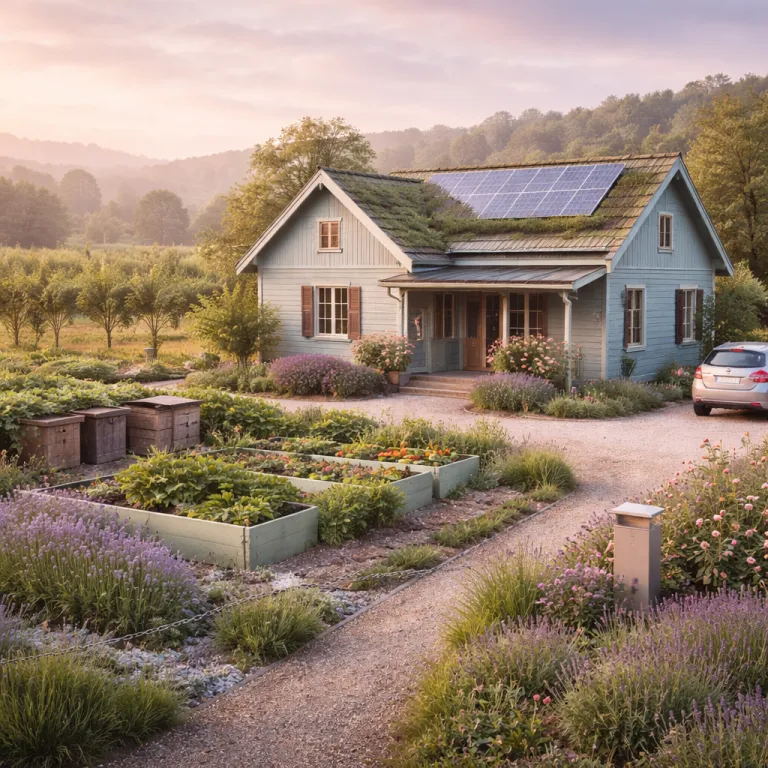
Why sustainable inn stays matter for romantic travel
A growing number of couples now want sustainable inn stays that feel quietly luxurious. When you choose a small inn or characterful hotel over large chain resorts, you are voting for a way of travel where the owner probably knows the nearest farmer and the plumber by name. That intimacy lets you ask direct questions about sustainability efforts, from how they heat the water to which local communities benefit when you spend time there.
Across the United States and the United Kingdom, more guests are asking how their stay affects energy use, waste and carbon footprint. Surveys from organizations such as Booking.com’s annual Sustainable Travel Report and guidance from the Global Sustainable Tourism Council consistently suggest that roughly 70% of travelers now look for eco-friendly accommodations, while properties that invest in renewable energy and LED lighting often report energy savings in the 20–30% range compared with conventional hotels. Those numbers only mean something for you as a couple when they translate into a warmer room in February, better dining, and a guest experience that feels genuinely eco-friendly rather than performative.
True eco-luxury in an inn or small resort is rarely about a leaf logo on the booking page. It is about whether the property has replaced single-use plastics in bathrooms, whether the kitchen buys from local growers within 50 km, and whether the building design keeps heat in without sealing out character. When you book your next hotel or inn, ask how the team defines sustainable accommodation in practice, then read full details on their site rather than settling for vague green claims.
The kitchen test: how menus reveal real sustainability
In a serious inn, the sustainability story starts in the kitchen long before guests arrive for dinner. The most convincing eco-conscious stays rely on weekly menus that follow the seasons, not a laminated annual menu that ignores what is growing in nearby fields and forests. When an innkeeper can name the local farm that supplies the vegetables and explain how less water and fuel are wasted in transport, you are seeing sustainability efforts written directly onto the plate.
Instead of focusing on a single property, look for patterns that independent studies and chef-led inns highlight. Many of the most admired sustainable inn stays in New England, the Pacific Northwest and rural England now source 60–80% of their fresh produce from regional suppliers, use eco-friendly cleaning products behind the scenes, and keep the dining room quietly elegant instead of themed. Couples who travel to these places often spend time talking with the innkeeper about how the property balances eco-friendly sourcing with a sense of occasion, then step out to explore nearby trails that feel as carefully protected as the kitchen ledger.
Mountain and countryside inns in areas such as the Catskill Mountains, the Rockies or the Scottish Highlands increasingly treat breakfast as a daily expression of cultural heritage and local communities. Eggs, dairy and fruit come from producers within a short drive, which cuts the carbon footprint of each stay while giving the guest experience a distinct sense of place. If you are planning a premium ski escape, look at how mountain inns featured in guides to refined ski resort stays handle food miles, composting and waste oil, then compare their approach before you book.
Heat, light and windows: the hidden engineering of eco luxury
The romance of an inn often lives in its creaking floors and low ceilings, but sustainable inn stays are won or lost in the boiler room. Ask whether the hotel relies on biomass, ground-source heat pumps or conventional fossil fuel boilers, because the answer shapes both your winter comfort and the property’s long-term carbon footprint. A well-tuned system powered partly by renewable energy can keep rooms warm in a national park setting without the radiators clanking all night.
Case studies from national park lodges and conservation-focused inns show how a small property near protected land can operate as a genuinely eco-friendly retreat. For example, several U.S. National Park concession lodges report cutting electricity use by around 25% after switching to LED lighting and high-efficiency boilers, while a number of UK country inns have documented water savings of 20–30% through low-flow fixtures and rainwater harvesting. The most forward-thinking teams invest in energy-efficient appliances, careful water conservation techniques and LED lighting that flatters timber beams instead of bleaching them, all while keeping views towards nearby refuges or coastlines as the main design feature. Couples who stay in these places often spend time watching wildlife at dawn, then return to rooms that feel quietly modern behind traditional façades, a balance that many larger hotels still struggle to find.
Old windows are another stress test for sustainable hotels that trade on heritage charm. Some inns choose to retrofit secondary glazing and heavy curtains, preserving cultural heritage while sharply reducing heat loss and the need for constant heating or cooling. When you view hotels online, look for clear explanations of what they did with single-glazed windows, approximate percentages of heat savings, and how that choice supports sustainable accommodation rather than just marketing language about eco-luxury.
The supplier ledger: laundry, waste and the people behind the scenes
For couples who care about sustainable inn stays, the most revealing stories often sit in the supplier ledger, not the lobby. Ask where laundry goes after you drop towels in the basket, and whether the hotel works with a local plant that uses efficient machines, heat-recovery systems and responsible detergents. When an inn can explain how it handles waste cooking oil, broken fixtures and garden clippings, you know sustainability efforts are operational rather than decorative.
Across the United States and the United Kingdom, many small properties now use technology and partnerships to reduce impact without losing warmth. Some independent inns report cutting laundry-related energy use by 15–25% after upgrading to modern washers and heat-pump dryers, while others document diverting more than half of their total waste from landfill through recycling and composting programs. They rely on solar panels and other renewable energy sources where possible, combine eco-friendly cleaning products with careful staff training, and keep single-use plastics to a minimum in both guest rooms and back of house. These choices rarely appear in glossy photos, yet they shape every stay and often matter more than whether the brand carries the same recognition as Hilton or other global hotels.
When you book a romantic inn, ask three specific questions about sustainable accommodation practices. What percentage of energy comes from renewable sources, how is water use monitored, and which local communities benefit financially from your stay through employment or sourcing? Answers that only mention being eco-friendly, eco-conscious or eco-luxury without figures, timelines or partners named are the ones to ignore, while detailed replies are worth the time it takes to read full descriptions.
How to choose and book genuinely sustainable inn stays
Choosing sustainable inn stays as a couple starts with clarity about what you value most. Some travelers want the best access to a nearby national park, others care more about a low carbon footprint through renewable energy and LED lighting, and many want both. Begin by deciding whether you prefer a rural inn, a small coastal resort or a characterful city hotel, then filter for eco-certified hotels that publish concrete data rather than slogans.
When you compare properties in the United Kingdom and the United States, use certifications such as LEED, Green Globe or EarthCheck as filters rather than proof. They can help you find hotels and view hotels that take sustainability seriously, but the real test is how the guest experience feels once you arrive and how openly the property shares its numbers. For a practical benchmark of elevated comfort with smart resource use, look at how some express-style inns manage space, insulation and lighting, then apply that lens to more romantic options before you book.
Industry guidance is clear on what defines a responsible operation and how you can verify it. “What defines a sustainable inn? An inn that implements eco-friendly practices to minimize environmental impact. How can I verify an inn's sustainability? Look for certifications like Green Key or LEED. Are sustainable inns more expensive? Not necessarily; many offer competitive rates.” Use those questions as a quick screen, then spend time reading how each property handles water, waste, energy and links with local communities before committing to a stay.
FAQ about sustainable inn stays for couples
How can couples check if an inn is genuinely sustainable?
Start by looking for clear information on renewable energy use, water conservation and waste management on the inn’s website. Certifications such as Green Key, LEED, Green Globe or EarthCheck are useful signals, but you should also see specific details about suppliers, single-use plastics reduction and partnerships with local communities. If the property only uses vague eco-friendly language without numbers, dates or named initiatives, treat that as a warning sign.
Do sustainable inn stays cost more than conventional hotels?
Prices vary by location and level of luxury, but sustainable hotels are not automatically more expensive. Many inns reduce operating costs through LED lighting, efficient boilers and careful design, which can keep rates competitive with comparable hotel resorts. You are more likely to pay a premium for exceptional service, setting or design than for sustainability efforts alone.
What questions should we ask before we book a sustainable inn?
Ask how the property sources food for dining, how it manages laundry and whether it uses renewable energy for heating and hot water. Check whether single-use plastics have been phased out in rooms and public areas, and whether the inn supports local communities through employment, cultural heritage projects or conservation donations. The more specific and transparent the answers, the more confident you can feel about your stay.
Are eco-friendly inns suitable for winter or rainforest destinations?
Well-run sustainable accommodation can be very comfortable in both cold climates and rainforest regions. The key is thoughtful building design, from insulation and window upgrades to efficient heating or cooling systems powered partly by renewable energy. When you view hotels in these environments, look for detailed explanations of how they balance guest comfort with a low carbon footprint and how often systems are reviewed.
Can large brands like Hilton offer truly sustainable stays in inn style properties?
Major brands such as Hilton have the scale to invest in advanced energy systems, LED lighting and sophisticated data tracking across many hotels. Some of their properties now operate with strong sustainability efforts, especially where local management has freedom to adapt to regional conditions. If you prefer the intimacy of an inn, focus on smaller properties that publish similar levels of detail, then compare both options before deciding where to spend time together.