Why the best summer inns in July show their true character
When you look for the best summer inns in July, you are really testing how a property behaves under pressure. Peak season is the moment when an inn, a hotel or a resort either hums with confident service or frays at the edges, and families feel that difference across every part of their stay. In Vermont, where average July daytime temperatures typically sit in the low‑ to mid‑20s °C (around 75 °F, according to the National Weather Service’s regional climate summaries for Burlington and Montpelier), the most characterful country inns lean into those warm sunny days rather than hiding from them.
The July Inn in Montgomery Center, Vermont, is a textbook case of a summer‑focused property that is better in peak season than out of it. Set close to forested hills and river bends instead of a beach or a lake, it still operates like a classic countryside destination, with its rooms typically booked from early July through late August. That full house means the dining room is lively, the bar is stocked for long evenings, and the team is large enough to keep service polished even when every table is taken, according to guest reviews and local tourism board occupancy snapshots.
Across many rural leisure markets, occupancy can rise by roughly 25–30 % in peak season compared with shoulder months, a pattern reflected in data from industry sources such as STR’s North America hotel performance reports and state tourism offices in New England. That surge is exactly when the best summer inns in July reveal whether their staffing and systems are serious. Properties that use online reservation platforms, revenue management software and proper Customer Relationship Management tools tend to keep response times short, even when every inn, hotel and resort in the valley is full. When you see extended stay requirements and dynamic pricing in July, it usually signals a confident operation that knows its demand curve and is not improvising its strategy day by day.
How to spot an inn designed for peak summer, not just surviving it
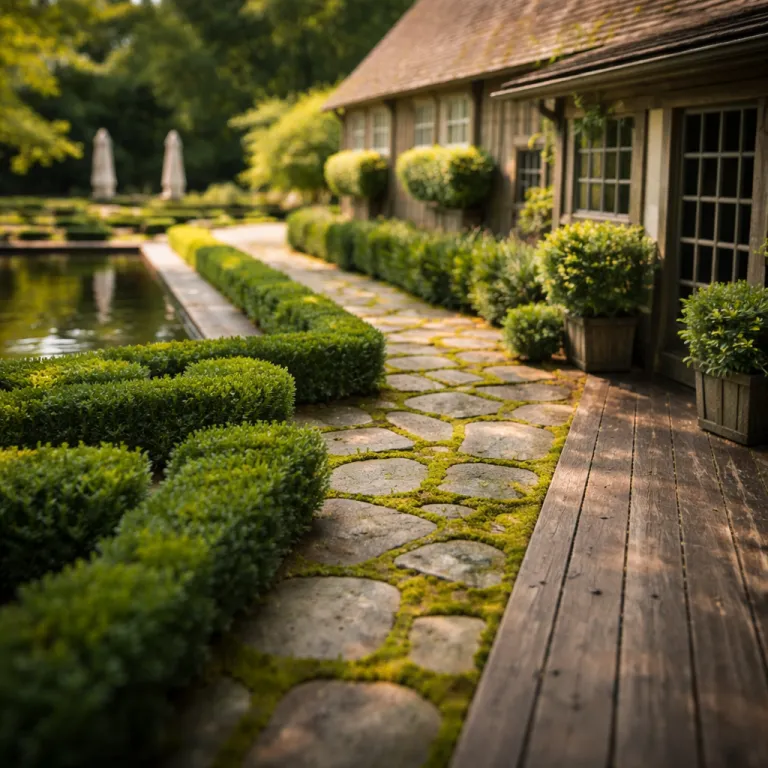
Families searching for the best summer inns in July should look first at how the property uses its communal spaces. A true summer inn is built around terraces, gardens, porches and sometimes an outdoor pool or a small plunge pool beside a lawn, all meant to be used when the house is full and the days are long. When those spaces feel like an afterthought, you are probably looking at a winter‑oriented property pretending to be a summer destination rather than a place designed for July heat and long evenings.
Coastal properties on the east coast, from Maine down to Palm Beach, often show this peak‑season design most clearly, even when they call themselves an inn rather than a hotel. A place with a beach house style, a small ocean house feel or a white‑barn dining room is usually planning for July evenings when every table is taken and children drift between the park, the garden and the shore. The best luxury‑minded inns limit day visitors, cap non‑resident dining and drinking reservations and keep suites and guest rooms to a manageable number, so the staff‑to‑guest ratio stays generous even on the Fourth of July weekend.
Energy is the real test. A nearly empty dining room in May can feel refined, but a twenty‑cover room with only three occupied tables in high summer is a warning sign that the inn has missed its moment. By contrast, a full house in July, with the landlord moving between tables, the kitchen brigade in full tempo and the garden in constant use, often delivers a more attentive experience than a quiet shoulder‑season stay. One guest at a long‑running Vermont inn described it this way: “In October it was peaceful; in July it felt like a house party where everyone had a role, including the staff.” For more detail on how this plays out in practice, our guide to why the inn you actually want is often not the one that shows up first in world hotel bookings offers a useful framework for reading between the lines of online listings.
Peak season strategies: booking, pricing and where July really matters
For the best summer inns in July, timing your reservation is as important as choosing the right property. In Vermont and similar rural regions, peak season begins in early July, reaches its highest occupancy by mid‑month and tapers only in late August, so booking six to eight weeks ahead is a sensible baseline. If you are flexible, last‑minute cancellations can open up accommodation for shorter stays, but families should not rely on that during school holidays when demand is consistently high.
Dynamic pricing is not a trick; it is how serious inns balance demand, staffing and guest experience during summer. Rates rise in July because demand rises, and because well‑run properties bring in extra seasonal staff, extend breakfast hours and sometimes add special dining and drinking events or guided excursions to a nearby national park or historic park. As one industry explanation puts it, “Why are rates higher in peak season? Due to increased demand.”
When you compare options, look at whether the inn or hotel uses extended stay requirements to protect the rhythm of the house, especially around the Fourth of July and other busy weekends. A three‑night minimum can feel restrictive, yet it often means fewer arrivals at midnight and a calmer atmosphere for families settling into their suites or connecting rooms. Urban properties, such as refined stays near a research park or a city cultural hub, follow similar logic, and our analysis of a Holiday Inn near a research park in Huntsville draws on publicly available occupancy and rate data to show how a well‑managed hotel can stay composed even when the city is at full tilt.
City‑based inns and hotels, from Traverse City to Long Island City, face a different challenge in July. Small one‑host properties can struggle when every room is full, while larger hotels with a proper hotel spa, a staffed pool and clear service standards often cope better with the summer rush. Our review of a Manhattan‑view hotel in New York illustrates how a city property can feel almost like a calm inn when its systems are tuned for high occupancy rather than for quiet winter nights.
Where high season is the whole point: coastal and countryside July specialists
Some of the best summer inns in July are seasonal by design, opening only when the weather, the light and the local activity align. Seaside inns along the east coast that close in winter, mountain properties with summer‑only access and lakeside houses that shut once the last leaf falls all share one trait: high season is not a compromise but the entire proposition. These are the places where a warm sunny afternoon on the terrace or by the lake is not a bonus but the daily script.
Think of an inn that sits above a small lake rather than a beach, with a lawn that slopes down to the water and an outdoor pool tucked beside a white barn used for dinners. On a July evening, children move between the pool, the park‑like grounds and the edge of the lake, while adults linger over food and wine in a candlelit room that feels more like a barn inn than a conventional hotel restaurant. When every table is taken and the staff still remembers your preferred wine, you are seeing why some properties are better in peak season than out of it.
Along the coast, names like Ocean House in Rhode Island, White Elephant on Nantucket and Inn at Perry Cabin in Maryland have become shorthand for a certain kind of summer inn experience, even when the legal structure is closer to a resort or a hotel. These places often combine a beach house aesthetic with serious hotel spa facilities, structured kids’ programmes and carefully managed access to the beach or the lake, so the shoreline never feels overrun. They may be marketed as the best luxury options in their region, yet what really matters for families is how they feel on a crowded Saturday in July, when the terrace is full, the bar is humming and the staff still has time to warm a bottle or arrange a last‑minute boat trip.
Not every property thrives under that pressure. Small city inns with a single host, or rural houses that open their doors without adding seasonal staff, can feel strained once all rooms are occupied. When you plan your travel, prioritise inns that cap non‑resident access, manage fixed‑seating dinners and invest in proper staffing for the summer months, and use curated reviews from platforms such as Inn Stay or long‑running travel magazines to separate marketing language from lived experience.
FAQ
What is peak season for summer inns in July ?
Peak season is the period of highest travel demand, and for many countryside and coastal inns that means early July through late August. In Vermont, for example, occupancy climbs sharply from the first week of July and often stays high until the end of the school holidays, a pattern echoed in state tourism reports and regional STR data. During this window, the best summer inns in July operate at full capacity, revealing how well they handle service, dining and activities when every room is taken.
Why are rates higher at the best summer inns in July ?
Rates are higher in July because demand is higher and because well‑run inns bring in extra staff, extend services and sometimes add seasonal experiences. As one standard industry answer puts it, “Why are rates higher in peak season? Due to increased demand.” Families are effectively paying for both the timing and the enhanced level of service that comes with a fully staffed, fully animated property.
How far in advance should I book a July stay at a luxury inn ?
For popular regions such as Vermont, the east coast or busy lake districts, booking six to eight weeks ahead is a sensible minimum for July. If you are targeting specific dates such as the Fourth of July weekend or school holiday periods, consider reserving even earlier, especially when you need connecting rooms or larger suites. Last‑minute cancellations can appear, but families with fixed travel windows should not rely on them.
Are summer crowds always bad for the inn experience ?
Crowds are not automatically negative; they simply expose how well an inn is designed and staffed for peak season. Properties that manage fixed‑seating dinners, limit day visitors and keep room counts modest often feel more alive and more attentive in July than in the quieter shoulder months. The slight eeriness of an almost empty dining room can be replaced by a warm, communal atmosphere when the house is full and the team is working at full tempo.
How can I get better value at a high season inn or hotel ?
To secure better value during peak summer, book early, stay slightly outside the busiest dates and look for promotions tied to longer stays. Many inns and hotels use extended stay requirements to stabilise operations, and those longer bookings sometimes come with softer nightly pricing or added benefits such as breakfast or parking. Checking direct channels and curated review sites can also reveal packages that do not appear on large booking platforms.