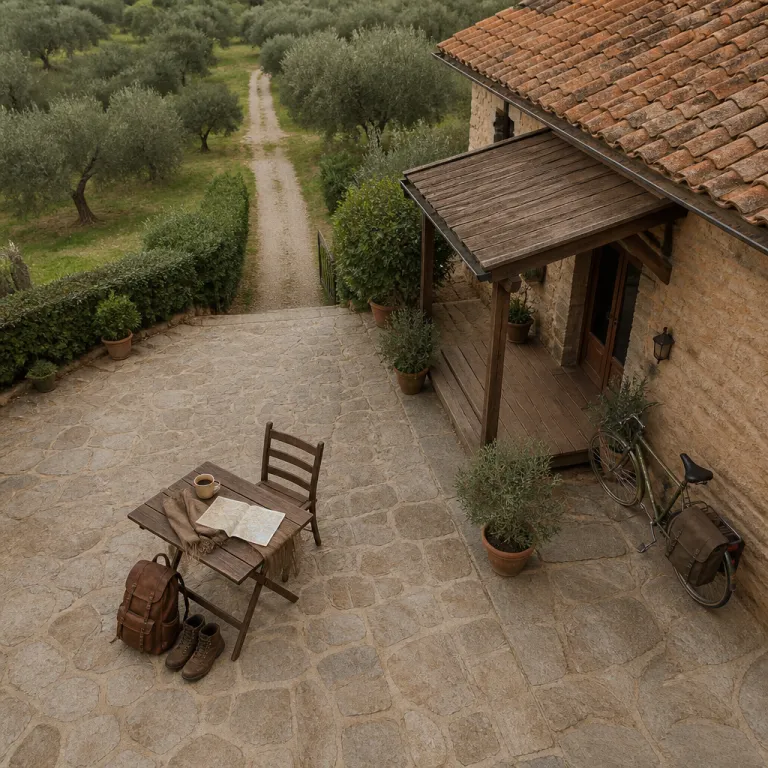
The quiet power of solo travel inn stays
Solo travel inn stays turn a simple hotel night into something quietly transformative for a solo traveler. When you arrive alone at a well run inn, the host sees a solo guest as a person rather than half of a couple, and that changes the entire experience from the first greeting in the entrance hall. For many independent guests, this is the moment when a solo trip stops feeling like a logistical project and starts feeling like a lived story.
Independent travelers between twenty five and fifty now shape many global travel trends, and a growing share of premium inns quietly design their spaces around this solo adventure mindset. A 2022 report from the Adventure Travel Trade Association noted that solo travelers account for a rising share of small group and inn based trips, and that a large majority of those solo guests are women, which has pushed thoughtful innkeepers to refine lighting, access control, and late night circulation between room, bar, and park side paths in both city and countryside properties. In this context, solo travel inn stays are no longer a niche; they are a core part of how the modern inn defines its guest experience and its place in the wider hotel landscape.
Research on solo travel accommodations often notes that inns offer personalized services and social opportunities, a combination that matters when you are a solo traveler arriving in a new city, stepping out of a station into an unfamiliar area and needing a place to stay that feels both intimate and professionally run. The best inns understand that a solo travel hotel stay is not about filling an empty hotel room, but about giving solo guests a perfect location, a clear sense of safety, and enough gentle structure that the first evening does not feel like a test of courage.
Host attention, pricing signals and the meaning of a room key
When you check in alone, the host guest relationship intensifies because there is no companion to absorb the small talk or read the map. A good innkeeper will clock that you are traveling solo within seconds and adjust the rhythm of conversation, offering practical guidance on the city, the nearest museum, the safest park for an early run, and the theater district worth crossing town for at night. This is where intimate inns differ sharply from large hotels, where a solo traveler can feel like a data point rather than a guest.
Pricing tells its own story about how an inn values solo guests, and you should read those signals carefully before you book your next hotel stay. A heavy single occupancy supplement suggests that the property still thinks in pairs, while a reduced rate for a smaller but well designed hotel room usually means the inn has thought seriously about solo travelers and solo travellers as a distinct audience. In many European cities, for example, a typical supplement can add 20–40% to the nightly rate, while inns that welcome solo guests often publish flat per room pricing. When you compare price hotels across several hotels solo, look not only at the nightly rate but also at what is included for a solo adventure, from breakfast seating options to late checkout that respects the slower rhythm of a solo trip.
For work focused solo travel, the lessons from slower paced country properties are instructive, and the analysis in this guide to the business traveler at the country inn shows how earlier dinners and measured Wi‑Fi can actually improve a solo traveler’s productivity. When you are traveling solo for business, a small inn near a station or in a quiet city area often beats a large hotel in the theater district, because the host can adjust breakfast times, recommend an affordable taxi service, and keep your room ready for late night returns. Over time, these details turn a simple place to stay into a trusted base that anchors repeat solo travel inn stays.
Rooms that work for one: from window seats to reading lamps
Not every hotel room respects the reality of solo travel, and you feel that the moment you close the door. A room designed for a couple will often waste space on a second armchair while neglecting the single traveler’s need for a generous writing desk, a window seat facing the city or the park, and a reading light that does not require acrobatics to reach from the bed. In contrast, the best solo travel inn stays treat the room as a cabin for one, with everything within easy reach and nothing included just to pad a brochure.
Look for inns that publish clear photos of their single rooms and small doubles, because transparency about size and layout is a strong marker of respect for solo guests. A compact room can still feel luxurious when the mattress is excellent, the linens are crisp, and the lighting is layered for work, reading, and rest, especially when the window frames a quiet city courtyard or a tree lined area near a park. When you compare York hotels or other city properties, pay attention to whether the hotel describes a perfect location for solo travelers in terms of walking distance to a museum, a station, and an affordable café, rather than just proximity to shopping.
Historic inns often excel at this kind of human scaled comfort, and the detailed review of a refined historic retreat in Pinehurst shows how a village property can balance period character with modern solo travel needs. In such places, a solo traveler can return from a day’s trip to a nearby city or golf park, close the door, and feel that the room is not a downsized version of a couple’s suite but a space tailored to one person’s time and experience. Over repeated solo travel inn stays, these details accumulate into a sense of being known, which is the quiet luxury most solo travelers value above any amenity list.
Communal tables, shared rituals and the art of not feeling alone
The architecture of an inn is built around the idea that people will cross paths, which is why solo travel inn stays often feel less lonely than anonymous hotels. Breakfast rooms with communal tables, fireside lounges, and small bars near the entrance turn the simple act of eating or ordering a drink into a low pressure social opportunity for solo guests. For many solo travelers, this soft choreography of shared spaces removes the hardest part of a solo trip, which is deciding where and how to dine alone in a new city.
Inns handle the communal table better than most restaurants because the host is present as a gentle moderator, introducing solo travelers to each other and to couples without forcing conversation. You might find yourself seated next to another solo traveler who has just come back from a museum in New York City, or a pair of friends planning a walk through the Lower East Side or a park on the edge of town, and the talk flows naturally from there. Over time, these small encounters become part of the experience, turning a simple hotel stay into a web of stories that stretch across cities and countries.
Location still matters, of course, and the most successful inns for solo travel balance access and retreat, placing themselves within a short walk of a station, a theater district, or a riverside park while keeping their own interiors calm. In dense urban areas such as the east side of a major city or the lower east quarter near a historic market, a well run inn can feel like a private club for solo travellers who value conversation but also want to slip away to their room without ceremony. When you plan your next solo adventure, look for properties that describe not only their perfect location but also the rituals they offer solo guests, from early morning coffee walks to late night nightcaps at the bar.
Hidden gem inns for solo travel in the city and beyond
Some of the most rewarding solo travel inn stays happen in places that rarely appear on romantic getaway lists, yet they serve solo travelers with quiet precision. In cities, these hidden gems often sit just beyond the obvious hotel clusters, perhaps a few streets off the theater district or on the calmer east side of a busy avenue, where the noise drops but the walk to the station or museum remains short. For a solo traveler, that slight remove can mean the difference between feeling like a tourist and feeling like a temporary local in the area.
New York City illustrates this pattern clearly, with several York hotels positioned just across the river or a few blocks away from the main hotel strips, offering solo guests a more residential atmosphere. A detailed review of a refined stay with a Manhattan view shows how a property outside the core of York City can still provide a perfect location for solo travel, combining skyline views with quick access to a station and an affordable café culture. When you evaluate such hotels solo, consider how the surrounding streets feel at night, how close the nearest park is, and whether the innkeeper speaks about solo guests as a priority rather than an afterthought.
Beyond the city, countryside inns near national parks or coastal paths can be equally powerful bases for a solo trip, especially when they coordinate with local guides and small tour operators. Many of these properties work closely with regional partners to offer tailored walks, museum visits in the nearest city, or transfers to a station, which removes friction for solo travelers who prefer not to drive. As solo travel continues to shape global travel trends, expect more inns to refine their offer for the solo traveler, treating each hotel room key handed to a single guest as the start of a relationship rather than a reduced booking.
Reclaiming the inn from couple marketing: practical booking guidance
Marketing images still lean heavily on couples, yet the lived reality inside many inns is increasingly shaped by solo travel inn stays. When you book, read past the staged photographs and focus on the language used about solo guests, single occupancy, and the experience of traveling solo through the city or countryside. Properties that speak directly to solo travelers and solo travellers usually back that language with thoughtful details once you arrive.
Before choosing a place to stay, follow a simple checklist that respects the specific needs of a solo traveler:
- Research the inn’s amenities for solo guests, including safety features such as deadbolts and peepholes, late arrival procedures from the nearest station, and whether staff can recommend an affordable taxi or shuttle for your trip.
- Check for clear single occupancy rates and room descriptions, because transparent pricing, typical supplements, and honest square metre figures signal that the hotel understands solo travel as more than a way to fill leftover rooms.
- Look for social opportunities that feel organic rather than forced, such as small group walks to a nearby park, informal tastings in the bar, or museum visits arranged with local guides.
- Read recent reviews from other solo travelers to see whether they mention feeling safe, welcomed, and included in the inn’s daily rhythm.
These touches matter more on a solo adventure than on a group trip, because they give structure to your time without locking you into a rigid schedule, especially in complex urban areas like York City, the lower east waterfront, or the theater district. When you find an inn that balances privacy, community, and a perfect location, you will understand why the solo traveler is not an exception in this world, but the ideal guest around whom the best inns quietly design everything.
FAQ
Why are inns particularly well suited to solo travelers ?
Inns are structured around human scale spaces and host visibility, which naturally supports solo travel. The presence of communal rooms, small bars, and shared breakfast tables gives solo guests easy ways to meet other travelers without formal events. Compared with large hotels, this architecture makes solo travel inn stays feel more personal and less anonymous.
What should a solo traveler check before booking an inn ?
A solo traveler should review safety features, late check in procedures, and the walking route from the nearest station or bus stop. It is also wise to examine single occupancy pricing, room size, and whether the inn mentions solo guests or solo travelers in its descriptions. Finally, look for references to social spaces such as lounges, gardens, or a bar, which can ease the experience of traveling solo.
How can I tell if an inn really welcomes solo guests and not just couples ?
Language on the website is a strong indicator, especially if the inn speaks directly about solo travel, solo trips, or solo adventure experiences. Transparent single occupancy rates and well photographed smaller rooms show that the property has designed its offer for more than couples. Reviews from other solo travelers can confirm whether the host pays attention to solo guests or treats them as half a booking.
Are solo travel inn stays safe for women traveling alone ?
Many inns have upgraded lighting, access control, and staff training in response to the growth of solo travel among women. When booking, women traveling solo should prioritize properties with staffed receptions, clear late night entry policies, and rooms on middle floors rather than isolated ground or top floors. Choosing an inn in a well lit area near a station or main street can further enhance safety during a solo trip.
Do solo travelers pay more because they are alone in a room ?
Some properties still charge a single occupancy supplement, effectively spreading the cost of a hotel room over one traveler instead of two. Increasingly, though, inns that value solo guests offer smaller rooms at lower rates or flexible pricing that reflects actual space used. Comparing price hotels across several options and reading the fine print on single occupancy can help you find an inn that treats solo travel fairly.