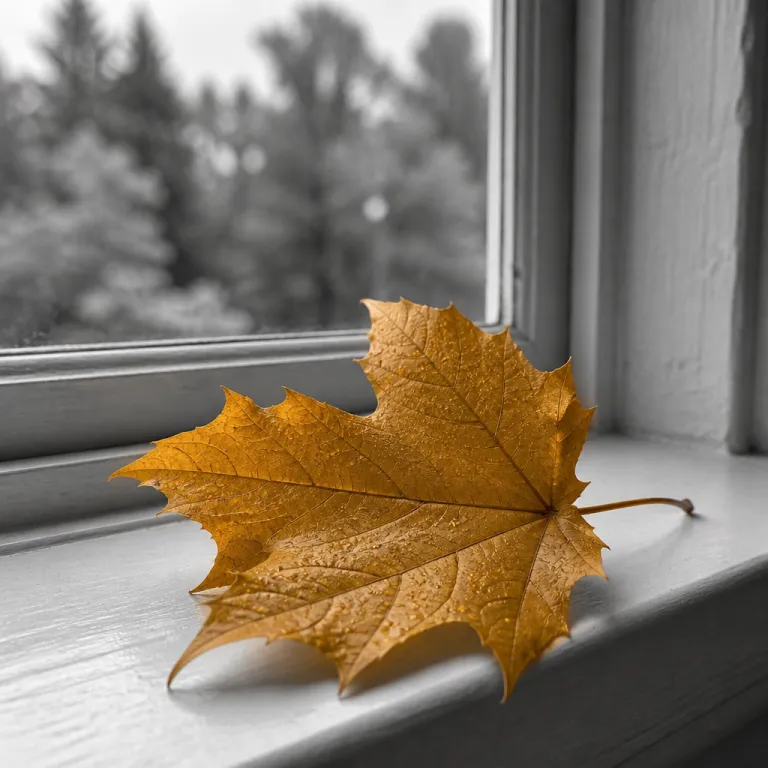
The case for a stationary fall foliage inn stay in autumn
A fall foliage inn stay in autumn works best when you stop chasing the car keys and let the trees set the schedule. The most rewarding fall foliage experiences happen in inns where the maple outside your window is older than the inn itself, and where the rooms were angled so that the first thing you see each morning is a frame of burnished fall colors rather than a parking lot. For families planning a trip, this slower rhythm turns the stay into the best kind of seasonal ritual, not a checklist of viewpoints.
In New England, the relationship between an inn and autumn is intimate in a way that a large hotel or resort rarely matches, because the same family may have watched the same vermont fall unfold from the same window seat for decades. Many of the best places to stay in small villages across Vermont and rural England were built around a single tree, a stone wall, or a bend in the road, and the fall foliage views from those rooms feel composed rather than accidental. When you choose these places to stay, you are not booking a generic stay in a hotel ; you are reserving a front row seat to the fall season itself.
Travel data from premium booking platforms shows that more guests now choose one long stay over a rushed road trip, especially for a fall foliage inn stay in autumn with children. Parents are realising that the best things about the season — watching leaves drift into the garden, sharing a farm table supper, walking to a nearby park — do not require a car at all. For a premium family, the most memorable trip is often the one where the inn offers warmth, resonance, and resilience, while the season quietly walks toward the window.
Where fall works without a car: Vermont villages, English lanes, and beyond
Certain regions are perfectly tuned to a car free fall foliage inn stay in autumn, and Vermont is the clearest example. In compact villages such as Woodstock or Stowe, you can stay in a characterful inn, walk to the village green, and reach covered bridges, riverside paths, and gentle hiking trails without ever planning a road trip. For families who want to stay Vermont for several nights, this means the trip becomes a sequence of walks between the inn, the park, the farm table restaurant, and the apple picking orchard on the edge of town.
New England fall landscapes also shine in places where the inn sits beside a lake or a small mountain, so that the best places to watch the foliage are reached on foot in ten minutes. In these villages, the inn often offers simple bikes, maps of local hiking trails, and advice on the best mid October light for photographing fall colors along the riverbank ; the landlord will probably tell you where the children can paddle safely while you sit on the terrace. When you compare this to a large resort or highway hotel, the difference is clear, because the inn is not a base for driving but a lived in part of the landscape.
Beyond Vermont, the same pattern holds in the English Lake District, where an old inn near a lake can replace a car entirely for an autumn stay. An England fall trip works beautifully when you choose an inn in a village like Grasmere or Ambleside, where you can walk from your rooms to the lake shore, climb a low mountain for wide views, and return to a firelit bar without touching the ignition. For readers considering a wider circuit of waterside stays, the curated guide to elegant bay inn stays around Lake Michigan on inn-stay.net shows how a lake focused itinerary can echo the same slow, window led approach to autumn.
The inn’s autumn rhythm: fires, food, and the window seat
When the first cold evenings arrive, the rhythm of a good inn shifts in ways that a standard hotel or resort rarely matches. Fires are lit earlier, the menu leans toward slow braises and farm table suppers, and the landlord quietly moves the most comfortable chairs toward the windows so that guests can watch the fall foliage gather in the garden. This is when a fall foliage inn stay in autumn feels most distinct, because the building itself seems to lean into the fall season.
In many heritage properties across Vermont, the Hudson Valley, and the Canadian Maritimes, the trees on the grounds predate the current inn, and the rooms were arranged to frame those views rather than maximise room count. You notice it in the way a window seat catches the last light on the lake, or how a narrow corridor suddenly opens onto a panorama of mountain slopes painted with fall colors ; these are deliberate choices, not accidents. The best things about staying in such an inn are often the quietest moments, like reading while the rain taps on the glass and the landlord brings a pot of tea without asking.
Families feel this seasonal rhythm strongly, because children quickly claim the window seat as their own observation post on the trip. They watch squirrels cross the lawn, count the leaves falling into the park, and track how the vermont fall deepens from green to gold over several days, all without being strapped into a car seat. Coastal properties can offer a similar sense of immersion, and the refined coastal escape at the Anchorage Inn in Ocracoke, described on inn-stay.net, shows how water, weather, and windows can work together to create an autumn experience that feels both gentle and intense.
Family friendly foliage: why children remember the inn, not the miles
For a premium family, the strongest argument for a fall foliage inn stay in autumn is simple ; children remember places, not distances. A long road trip through Vermont fall landscapes may look efficient on a map, but younger travellers often recall only the rest stops, while a three night stay in one inn becomes a story they retell for years. When you stay Vermont in a village inn with a garden, a small spa, and a view of the lake or mountain, the fall foliage becomes the backdrop to games, rituals, and shared meals rather than a moving target outside the car window.
In practice, this means choosing inns where the grounds function almost like a private park, with space for leaf piles, short hiking trails, and perhaps a corner set aside for apple picking with the owner’s guidance. Many of the best places for families in regions such as the Hudson Valley, Lake Tahoe, and the edges of a national park have this combination of mature trees, safe paths, and flexible rooms that can accommodate both parents and children comfortably. When an inn offers early suppers at a farm table, board games by the fire, and a quiet spa session for parents after bedtime, the fall season feels generous rather than rushed.
Window seats matter here too, because they allow children to experience the fall foliage and the wider autumn landscape even on rainy days, turning the inn itself into the main attraction of the trip. A thoughtful innkeeper will often share local stories about covered bridges, nearby mountain passes, or the best mid October walks, and may even label framed images in the hallway with “photo credit” or “photo courtesy” to connect guests with local photographers. For families who usually rely on a resort or highway hotel, trying a characterful inn for an England fall break or a quiet stay near Lake Tahoe can reset expectations about what a seasonal stay should feel like, and why letting the season walk toward your window is sometimes the best luxury of all.
FAQ
Is a fall foliage inn stay in autumn suitable for families with young children ?
Yes, a fall foliage inn stay in autumn can be ideal for families, because children can enjoy the foliage from the safety of the inn grounds and window seats without long hours in a car. Look for inns with gardens, nearby parks, and short hiking trails so that younger children can explore in manageable bursts. Flexible rooms, early farm table suppers, and simple activities such as apple picking on site or nearby make the stay easier for parents.
How many nights should I plan for a car free foliage stay in Vermont ?
For a car free Vermont fall trip, three to four nights in one inn usually works well, because it allows you to see how the fall colors shift over several days. With that length of stay, you can balance slow mornings by the window with afternoon walks to covered bridges, village shops, and local parks. Families often find that this duration feels long enough to settle in, but short enough to fit into a school calendar.
Do I need a spa or resort style amenities to enjoy autumn at an inn ?
You do not need a full resort spa to enjoy autumn at an inn, although some premium properties offer small wellness areas that can be welcome after a day of walking. The key amenities for a fall foliage inn stay in autumn are comfortable window seats, well heated common rooms, and easy access to outdoor spaces such as gardens, lakes, or village parks. If you value spa time highly, choose an inn that clearly describes its spa facilities rather than assuming that every hotel style property will provide them.
What is the best time to book an inn for peak fall colors ?
Peak fall colors vary by region, but in many New England and Vermont locations the most reliable period is from late September to mid October. Because the best places to stay are small and often have limited rooms, it is wise to book several months in advance, especially for weekends. If your dates are flexible, consider a midweek stay, which often offers better availability and a quieter atmosphere.
How does staying in an inn compare with a hotel for autumn travel ?
Staying in an inn for autumn travel usually means a closer relationship with the surrounding landscape, because the building, rooms, and gardens are often oriented toward specific views of foliage, lakes, or mountains. A standard hotel or resort may offer more uniform amenities, but it rarely provides the same sense of continuity between the tree outside your window, the farm table in the dining room, and the walking paths that begin at the front door. For travellers who value character, local knowledge, and a slower pace, the inn format tends to deliver a richer seasonal experience.