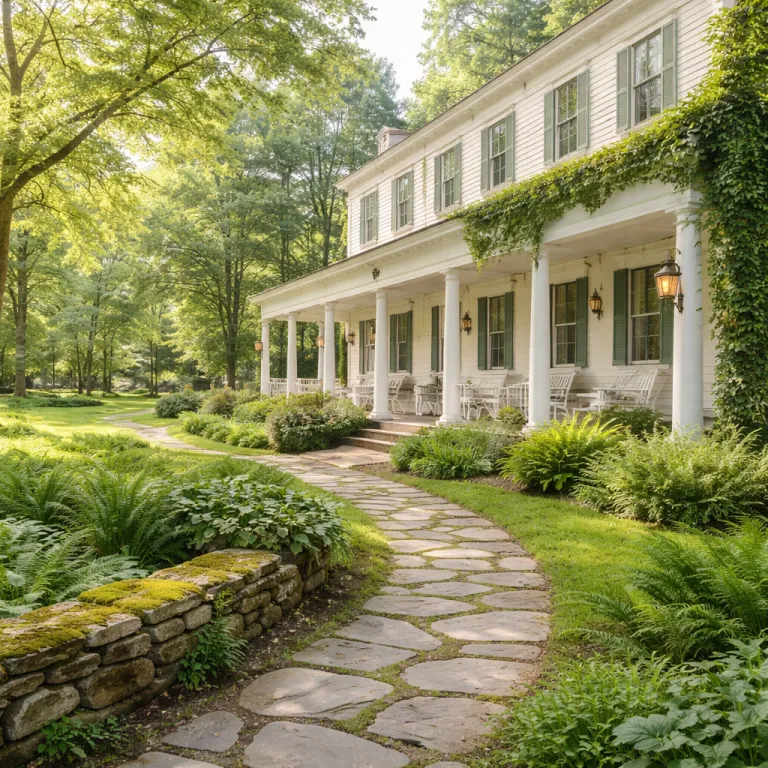
The four honest light sources of an inn
A serious inn begins its inn interior lighting design with memory. The fire, the lantern, the lamp, and the candle each shape how guests read the interior before a single word is spoken. When these four sources are balanced with contemporary hospitality lighting, the room feels composed rather than themed.
Fire is the original ambient light in hospitality, and a real hearth still anchors many luxury hotel level inns. When you arrive to a lobby where the fire is already lit, the atmosphere signals that the guest experience matters more than hotel lighting efficiency. That glow should be supported by discreet lighting fixtures, never drowned by ceiling lights that flatten every surface.
Lanterns and sconces are the next layer, and they are where innkeepers quietly reject generic hotel design. Historical properties once relied on lanterns along corridors; now interior designers often reinterpret them as wall fixtures with warm LED lanterns and candle toned sources. As one lighting design brief in hospitality from the UK’s Society of Light and Lighting puts it without irony, “Return to traditional lighting.”
That same brief answers the question many travelers secretly ask: “Why do inns prefer lanterns? To create a warm, inviting atmosphere.” When you see a hanging light shaped like a carriage lantern in the hotel lobby, look at its temperature and height. If the ambient lighting is soft and the lantern sits at eye level rather than high above, the inn is using history as a tool, not a costume.
Lamps and candles complete the quartet and decide how guests feel once they sit. A shaded lamp on a side table offers task lighting for a book, while a small candle on the bar adds ambient light that flatters faces. Together, these lights create a layered atmosphere that no single chandelier in a hotel interior can match.
Better properties combine these traditional sources with carefully chosen modern fixtures. A wrought iron pendant light above a stair, paired with low wall sconces, guides the guest without turning the stair into a hotel corridor. This is hospitality design that respects darkness as much as light.
Industry surveys from bodies such as the Illuminating Engineering Society (IES) and the American Hotel & Lodging Association consistently report strong guest preference for warm lighting in rooms and lounges, typically in the 2,700–3,000 K range. That preference shows up in repeat bookings and in how long people linger in quiet bar conversations. When you choose between inns online, you are often choosing between warm lanterns and harsh lights long before you arrive.
For a deeper sense of how different regions handle these four sources, study the photography in a world guide to inn stays that compares six definitions of hospitality. You will start to see how lobby lighting, hallway lanterns, and even exterior sconces tell you whether a place is an inn with a landlord or simply a rebranded hotel. Once you notice, you cannot unsee it.
Temperature and dimming: how a room trusts its guests
Colour temperature is the first technical decision that guests feel without naming. Walk into a hotel lobby washed in cool white light and the atmosphere says efficiency, not intimacy. Step instead into an inn where the lobby lighting sits around a warm tone and the guest experience begins to slow down.
In a well considered inn interior lighting design, public rooms lean warm while desks and dressing areas shift slightly cooler. Designers often keep lounges and bedrooms around 2,700–3,000 K, with writing desks or vanity areas nudging toward 3,000–3,500 K. This balance lets the interior design support both romance and practicality in the same room. You should be able to read a map at the writing desk without sacrificing the soft ambient lighting that makes the rest of the space feel like a retreat.
Look at the bedside lights in hotel bedrooms when you next arrive. If they are cold, blueish lights, the property is thinking like a standard hotel interior, not like an inn that understands evenings. Warm bedside fixtures, ideally with individual switches and dimmers, let each guest control their own pool of ambient light.
Dimming is the quiet test of whether a room trusts its guest. A space that cannot dim is a space designed for housekeeping photos, not for lived hospitality. When you can slide the lighting from bright task lighting down to a low glow, the room starts to feel like it belongs to you rather than to the brand.
Bathroom lighting is where many otherwise refined properties fall back into hotel lighting clichés. The mirror is often blasted with full white light that flattens skin and kills any sense of luxury. Better inns use layered lighting ideas: a pair of sconces at eye level for grooming, a softer pendant light or recessed ambient light for late night visits, and perhaps a dimmable strip under the vanity.
Ask yourself one simple question when you enter any room. Can I make this light warmer, softer, or lower without calling reception? If the answer is yes, you are in a property where interior designers have argued successfully for guest experience over maintenance convenience.
When you are choosing where to stay, read the photographs as technical documents. A good expert guide to premium stays will often point out colour temperature, dimming options, and the way lighting fixtures are layered in the room. Use that information the way you would use a wine list recommendation: as a shortcut to a better night.
On a luxury hotel booking page, you may see talk of smart controls and circadian systems. Those can be valuable, but in an inn the more telling detail is whether the bedside hanging light has a simple, tactile switch within reach. Technology should serve the hand, not replace it.
Height and placement: when an inn stops feeling like a corridor
Height is where inn interior lighting design either honours the building or flattens it. Ceiling downlights used in a grid are the silent confession that a space is being treated as a generic hotel. When every light comes from above, guests feel observed rather than welcomed.
Inns that understand hospitality design keep most of the light at human level. Wall sconces, table lamps, and low pendant lights create pockets of atmosphere that invite you to sit, talk, or read. The result is an interior that feels like a series of rooms, not a single open plan lobby.
Look at the lobby lighting in photographs before you book. If you see only recessed spots and a central chandelier, expect a more conventional hotel design. If instead you notice a mix of hanging light fixtures, shaded lamps, and perhaps a lantern near the door, you are likely looking at a property that takes guest experience seriously.
Height matters just as much in hotel bedrooms that call themselves inn rooms. A pendant light dropped low over a side table can replace a lamp and free space, but only if it hangs at a comfortable level for reading. Too high, and it becomes another ceiling light; too low, and it becomes theatre rather than hospitality.
Corridors reveal whether an innkeeper has resisted the urge to over illuminate. A line of small wall fixtures at shoulder height, each casting a gentle pool of ambient light, keeps the walk to your room calm. A strip of bright downlights every metre turns the same corridor into an airport hotel.
Thoughtful interior designers also use height to frame views. A low pendant in a window seat, a floor lamp angled toward an armchair, or a candle on a sill all draw the eye outward to a garden or lake. These lighting ideas are simple, but they change how guests feel the building in their body.
If you are travelling on a refined yet budget conscious itinerary, pay attention to these cues even in more modest properties. A guide to reimagined inn stays for value focused travelers often highlights places where inexpensive lighting fixtures are placed with care. Height costs nothing, but it reveals everything about priorities.
When you arrive, do a quick test. Sit, then stand, then lie on the bed, and notice which lights glare and which soften. An inn that feels comfortable from every height has been designed for people, not for photographs.
Reading photos like a designer: the three image test
Most couples choose an inn from a screen long before they cross a threshold. That makes the photography of inn interior lighting design your most reliable proxy for atmosphere. A simple three image test can tell you whether the property understands light or merely installs fixtures.
Start with the lobby image, because lobby lighting is the inn’s handshake. Look for layers of ambient lighting, task lighting at the desk, and perhaps a chandelier or pendant light used sparingly as a focal point. If the lobby looks like a brightly lit hotel interior, expect the rest of the experience to follow suit.
The second image should be a room shot taken at dusk or early evening. In a well considered interior design, you will see multiple lights at different heights: bedside lamps, a floor lamp, maybe a hanging light over a small table. Pay attention to whether the ambient light feels warm and whether any hotel lighting from the corridor spills under the door.
The third image is the bathroom, where many inns betray their ambitions. A wall of cold mirror lights and a single ceiling fitting suggest a standard hotel design approach. A mix of sconces, a softer overhead light, and perhaps a dimmable strip indicates a property that understands how guests actually use the space at night.
As you scroll, notice how often the photographer relies on daylight to make the interior look appealing. If every image is shot in bright sun, you have no information about the lighting design you will live with after dark. Ask yourself whether you can imagine the room at 7 p.m. on a winter Tuesday, when artificial lights carry the whole atmosphere.
Pay attention to small details like switches and dimmers in the frame. A visible dimmer near the bed, a separate control for the pendant light, or a discreet button for lobby lighting all point to a guest centric approach. These are the quiet signs of a luxury mindset, even in a modest inn.
Do not ignore exterior shots either. A row of lanterns along the façade, a single hanging light over the door, or a soft glow from hotel bedrooms all contribute to the story. They tell you whether the inn is using light to guide guests home or simply to meet safety codes.
Once you start reading images this way, you will see patterns across regions and price points. A world guide to inn stays that compares different hospitality cultures can sharpen your eye further, but your own instincts about atmosphere are already a powerful tool. Trust them when the booking engine tries to distract you with amenities lists.
The lit window at dusk: what an inn promises when you return
There is a moment on any trip when the inn comes back into view. The sky is thinning to blue, and you see the first lit window before you hear voices. That single square of light tells you more about inn interior lighting design than any brochure.
If the window glows with a warm, layered atmosphere, you can almost feel the room from the lane. A shaded lamp, a hint of pendant light in the lobby, maybe the flicker of a fire all combine into a quiet invitation. This is hospitality design that understands the emotional comfort described by many lighting specialists as the next frontier of luxury.
Inside, the same principles should hold. Public rooms need ambient lighting that lets guests move easily, with task lighting at the bar, the reception desk, and reading corners. When lights are balanced so that guests feel both seen and unobserved, the inn has achieved something most large hotel interiors never quite manage.
Eco conscious travelers will also notice how many lights are actually on. Properties influenced by sustainable hotel design trends often use efficient LED lighting fixtures, but they also rely on fewer, better placed lights. A single well chosen chandelier or pendant light can replace a grid of downlights and still make guests feel indulged.
Behind these decisions are real people. Innkeepers manage the daily rhythm of switching lights, while specialist lighting designers and interior designers refine the plan so that guests feel the building’s history without suffering its drafts. Their shared goal is simple: enhance guest comfort and quietly differentiate the inn from any nearby hotel.
When you choose your next stay, think less about the number of lamps and more about what the light is doing. Does it carve out intimate corners in the hotel lobby equivalent, or does it flatten everything into one bright hall? Does it let you dim the room to your own mood, or does it insist on a single, corporate brightness?
The best luxury hotel level inns answer these questions before you even ask. They use lanterns and sconces to guide you in, lamps and candles to settle you, and carefully tuned fixtures to support every small ritual from unpacking to the last glass by the fire. By the time you close the curtains on that lit window, you already know whether you will return.
FAQ
Why do many inns use lanterns and sconces instead of bright ceiling lights?
Many inns favour lanterns and sconces because they create a warmer, more intimate atmosphere than bright ceiling lights. This approach to inn lighting design reflects a desire to differentiate the inn from a standard hotel and to support a calmer guest experience. It also aligns with energy efficient practices when paired with modern LED sources.
How can I tell from photos whether an inn’s lighting will feel comfortable?
Look for images taken at dusk or night that show multiple light sources at different heights. Warm ambient lighting, visible lamps, and carefully placed pendant lights usually indicate a thoughtful inn interior lighting design. If every photo relies on daylight or shows only bright overhead fixtures, expect a cooler, more generic feel.
What should good bathroom lighting in an inn look like?
Good bathroom lighting combines clear task lighting at the mirror with softer ambient light for night use. Ideally you will see sconces at eye level on either side of the mirror, plus a dimmable overhead or under vanity light. This avoids the harsh, flat effect common in many hotel bathrooms.
Are modern sconces and lantern style fixtures energy efficient?
Modern sconces and lantern style fixtures are often designed to work with LED bulbs, which are significantly more energy efficient than older lamps. This allows inns to maintain a traditional visual language while reducing energy use. It also supports sustainable hospitality design without sacrificing atmosphere.
Why does warm lighting matter so much for guest comfort?
Warm lighting sits closer to the colour of fire and candlelight, which most people associate with rest and safety. Surveys in hospitality consistently show a strong guest preference for warm lighting in rooms and public spaces, especially in the 2,700–3,000 K range. When an inn uses warm ambient light thoughtfully, guests tend to relax faster and stay longer in shared areas.