The physics problem inside a historic inn
Walk into a historic inn in winter and you feel the physics before you see the fire. Thick stone walls that keep summer heat at bay can turn the whole building into a cold store once the temperature drops outside. For families booking premium guest rooms, the old inn heating energy sustainability challenge starts with these walls and the way they trap or release heat through the entire building.
In many historic buildings the original structure was never designed for modern heating cooling expectations, so owners tread carefully when they add any new heating system. Insulating from the inside can push moisture into the stone, creating condensation, mold, and damage to the historic house surfaces that guests came to touch and photograph. In a protected historic district or around a listed historic property, even small changes to the building envelope can trigger complex approvals that slow every efficiency project and raise costs.
That is why energy efficiency in an old inn is less about brute force heating and more about understanding how the building breathes. A thick wall can buffer heat if the system heat is gentle and constant rather than on and off in short bursts. When you read about old inn heating energy sustainability on a booking website, remember that the most energy efficient properties are often the ones where the landlord has learned exactly how long it takes the house to warm before you return from dinner.
What actually works: quiet systems, warm floors, and the ground beneath
The most successful energy efficient projects in historic inns tend to hide in plain sight. Underfloor heating laid beneath flagstone corridors and dining rooms warms the stone itself, turning a once chilly passage into a slow radiant heat source that supports old inn heating energy sustainability without visible clutter. Because the system runs at lower temperatures than old radiators, it pairs well with high efficiency heat pumps and reduces overall energy consumption across the property.
Ground source heat pump systems use the land around the inn as a battery, drawing low grade heat from buried loops or vertical wells and concentrating it for use in guest rooms and lounges. In rural west country properties in Europe or in the northern United States, these pump systems can supply both heating cooling, quietly maintaining 20–22 degrees Celsius while keeping the historic building fabric intact. When combined with a modern control system that zones the house, the same heat pump can serve family suites, public rooms, and back of house areas with different set points, reducing energy waste where no one is sitting by the fire.
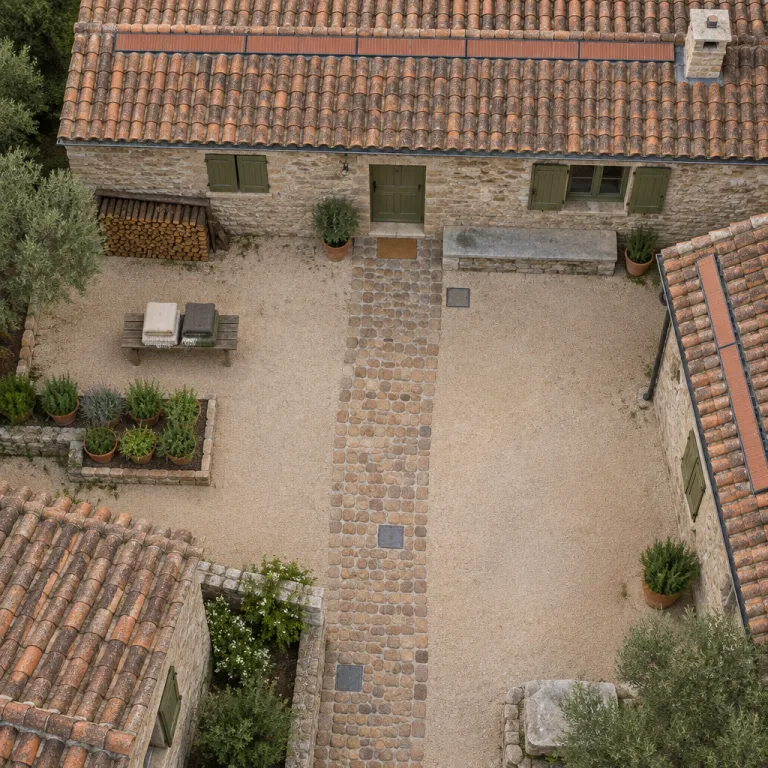
Solar energy can also play a role, but the panels rarely sit on the postcard facade that first drew you to the hotel. Sensitive owners tuck solar arrays on less visible roofs or outbuildings, feeding clean energy into the heating system and lowering reliance on fossil fuels without upsetting heritage rules. For a deeper look at how altitude, water use, and infrastructure shape regenerative projects, the analysis of mountain properties in what altitude teaches about running a property lightly offers useful parallels for any efficiency project in a fragile historic property.
What fails: noisy air, glowing radiators, and ruined windows
Not every modern solution suits a historic inn, no matter how glossy the brochure. Forced air systems that push hot air through ducts can rattle in old timber, dry the atmosphere, and leave guest rooms with uneven heat that undermines both comfort and energy efficiency. In a creaking house where sound travels, the constant hum of fans can feel more like an airport hotel than a characterful inn.
Electric radiators are another common shortcut that rarely supports old inn heating energy sustainability in the long term. They are easy to plug into a historic building, but they spike energy costs during cold snaps and encourage wasteful energy consumption when guests leave them on while going out. Double glazing that replaces original sash windows can improve system heat performance, yet it often destroys the proportions and details that define a historic property and can even be banned in a tightly controlled historic district.
Thoughtful owners look instead for secondary glazing or draft proofing that respects the building while still reducing energy loss. They may pair a modest central heating system with wood burning stoves in key public rooms, using the stoves as both a primary heating source and a focal point for families returning from a day out. If you are choosing between properties on a premium family guide such as the ultimate guide to premium stays for families, read closely for how each inn talks about its heating system, because the details reveal whether the project is about genuine energy efficiency or just ticking a marketing box.
The guest expectation gap: rustic charm at 22 degrees
Families booking a historic inn often want two things that do not naturally coexist. They crave the romance of a centuries old house with uneven floors and original windows, yet they also expect the guest rooms to sit at a steady 22 degrees Celsius when they return from dinner. Old inn heating energy sustainability lives in the tension between those expectations and the physical limits of a historic building.
Smart properties manage this by being explicit about what their heating system can and cannot do. Some will preheat rooms before arrival, using a high efficiency heat pump to bring the temperature up slowly rather than blasting electric heaters at the last minute. Others explain that certain rooms in the oldest part of the inn may feel cooler, then offset that with thick duvets, hot water bottles, and a roaring fire in the lounge that turns the whole house into a shared living room.
For premium family travelers, the key is to read beyond the star rating and look for clues about energy efficient design and honest communication. Does the hotel mention an efficiency project, a new pump system, or efforts at reducing energy use while maintaining comfort for children and grandparents alike ? When an inn speaks openly about energy, heat, and the quirks of its historic building, you are more likely to find a stay where the character is intact and the comfort level matches what you need.
The regulatory sandwich: heritage rules and energy targets
Owners of historic inns sit between two powerful forces that rarely talk to each other. On one side, heritage authorities protect every visible element of a historic building, from the roofline to the window frames and even the color of the front door. On the other, energy regulators push for measurable energy efficiency gains, standardized reporting of energy consumption, and a clear path toward clean energy that phases out fossil fuels.
Across Europe, new sustainability standards are tightening, while in the United States similar pressures come from state level building codes and incentive schemes. For an inn in a protected historic district, adding a solar array, drilling wells for a ground source heat pump, or upgrading an old heating system can require multiple approvals and detailed studies. The most successful projects treat the whole house as a single project, combining insulation, a modern pump system, and subtle system heat controls rather than chasing one flashy technology.
Travelers rarely see this paperwork, but they feel the results when they step into warm guest rooms that still look authentically old. When you read a property description on a site like this argument for slower Wi Fi and earlier dinners at a country inn, pay attention to how the inn talks about its wider operations, because the same mindset often shapes its approach to heating and energy. Old inn heating energy sustainability is not a single gadget ; it is a long term efficiency project that respects the historic property while quietly aligning it with modern expectations and regulations.
FAQ
How can I tell if a historic inn is genuinely energy efficient ?
Look for specific details about the heating system, such as mention of heat pumps, underfloor heating, or a recent efficiency project rather than vague claims about being green. Properties that share information about their energy consumption, use of solar energy, or steps toward reducing energy from fossil fuels usually have a more serious approach. If in doubt, email the inn and ask how they keep guest rooms comfortable in winter without damaging the historic building.
Are heat pumps suitable for very old inns and houses ?
Heat pumps can work well in historic houses when they are part of a carefully designed pump system that respects the building fabric. Ground source heat pumps using buried loops or wells are often quieter and more discreet than air source units, which can be visually intrusive on a historic property. The key is to combine the heat pump with low temperature emitters such as underfloor heating and good controls, so the system heat is gentle and constant rather than harsh and intermittent.
Will staying in a historic inn always mean higher energy costs in the room rate ?
Running a historic inn can involve higher heating costs, especially in colder regions, but smart energy efficiency measures can offset much of that. Inns that invest in clean energy, high efficiency heating systems, and better controls often stabilize their operating costs over time. When pricing seems higher, you are sometimes paying for both the character of the building and the hidden work that keeps it warm without compromising its historic value.
Can solar panels be added to a listed historic building ?
In many jurisdictions, solar panels can be added to a listed or protected building if they are placed discreetly and do not alter key views. Owners often install solar energy systems on secondary roofs, outbuildings, or ground mounted arrays that feed power back into the main inn. Approval processes vary by region, so responsible properties work closely with heritage authorities to balance clean energy goals with conservation rules.
What should families ask before booking a winter stay in an old inn ?
Families should ask how the inn heats its guest rooms, whether the heating system runs all night, and if any rooms in the oldest part of the house tend to be cooler. It is also worth asking about insulation, window upgrades that respect the historic district, and any recent efficiency project aimed at reducing energy use. Clear, confident answers usually signal an inn that has thought deeply about old inn heating energy sustainability and your comfort.