Why inn noise in an old building feels different from a modern hotel
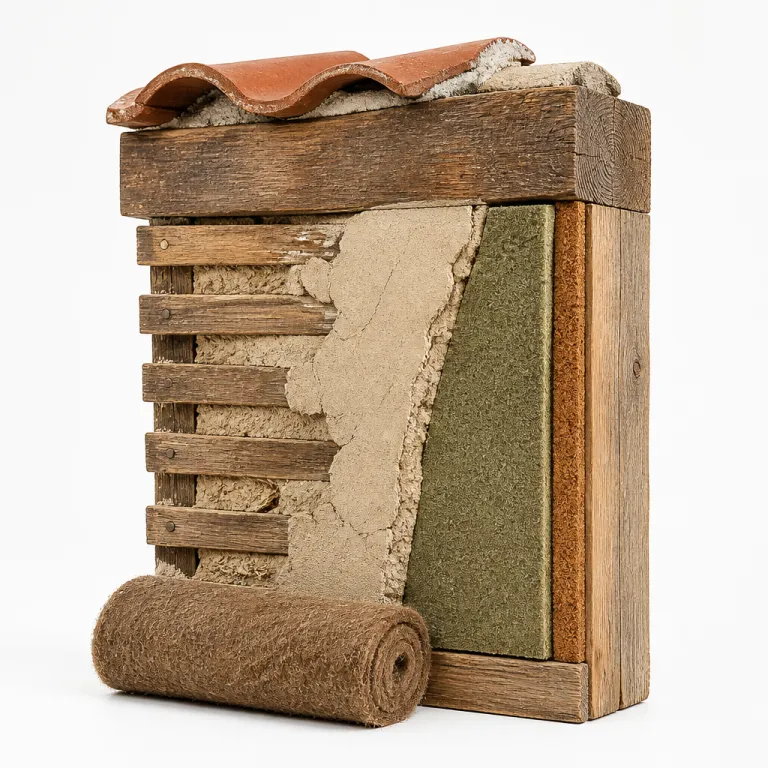
Inn noise soundproofing in an old building starts with structure, not gadgets. When you stay above centuries old beams, the way sound moves through the room and along the walls floors is dictated by timber, lime plaster, stone and the gaps between them. That is why historic hotel rooms can feel charming at first glance yet transmit every footstep from the corridor and every closing door at midnight.
Historic inn owners know that older construction lacks modern soundproofing materials and techniques, so they work with acoustic consultants to understand how sound transmission really behaves. A thick stone wall may block external noise from the street yet carry low frequency pub sound through shared floors and a hollow core internal door. Acoustic performance has become a renovation priority because a premium family expects a quiet hotel room even when the building predates modern insulation by several hundred years.
In practice, this means you should read noise levels in reviews as carefully as you read comments about service or food. When guests mention creaking floors or thin walls, they are describing structural sound, not just inconsiderate neighbours in adjacent rooms. If you love character but hate noise, you need to think less about a generic soundproof hotel and more about how each specific inn manages sound level, from the windows and pane windows to the doors and ceiling tiles above your bed.
The pub below, the breakfast above: mapping where sound really comes from
Most complaints about inn noise soundproofing in an old building are not about traffic but about hospitality itself. The pub below, the breakfast room above and the narrow corridor outside your room all generate sound that travels easily through old floors and walls. Understanding this acoustic geography helps you choose between rooms above the bar, rooms in a rear annexe or rooms tucked under the roof where external noise may be louder but internal footsteps softer.
In many historic hotel buildings, the noisiest rooms sit directly over the bar where music, voices and closing doors create a constant low rumble. Slightly quieter rooms may be on upper floors yet still suffer from sound transmission through hollow core internal doors and unsealed gaps around door frames. When you read about a family friendly hotel room that is quiet by ten at night, it usually means the landlord has zoned the building carefully and added discreet sound insulation between public spaces and bedrooms.
At booking stage, ask specific questions about sound rather than a vague “Is it quiet ?”. Request a room away from the bar, away from service doors and away from the main stair if you are travelling with children who nap. When you speak directly with an inn that takes guest comfort seriously, you will often hear about practical measures such as door sweeps on corridor doors, window inserts on street facing windows and even curated white noise options, just as you might ask about vegan room service options at a city property that takes dietary detail seriously, such as those highlighted in this guide to premium plant based stays.
What can and cannot be fixed: from windows to walls, floors and ceilings
When you see an inn advertise serious noise reduction in an old building, look for specifics rather than vague promises. Secondary glazing on original window frames, double pane replacement windows at the rear and heavy curtains all help reduce external noise without harming heritage character. Inside the hotel rooms, the real work happens at the junctions where sound slips through ; around the door, between the walls floors and across the ceiling.
Acoustic consultants often recommend layered solutions that respect historic fabric while improving soundproofing for guests. These can include acoustical panels disguised as artwork, upgraded insulation behind new plasterboard, and ceiling tiles with hidden acoustic backing in upper corridors. In some projects, a viscoelastic compound such as green glue is sandwiched between layers of board to improve the effective Sound Transmission Class, or STC, without thickening the wall so much that original mouldings are lost.
Not every inn will go this far, and that is where honest communication matters more than marketing. Some properties lean into atmosphere and accept that you will hear the fire crackling downstairs or rain on the roof, much as a coastal inn may prioritise sea views and terrace life over total silence, as seen in many refined coastal stays. Others quietly invest in sound insulation between rooms, automatic door closers that prevent slamming and upgraded pane windows at the rear, so that families can sleep while the bar still serves locals until late.
Smart room innovations: how thoughtful inns manage sound without losing soul
The most interesting trend in inn noise soundproofing for an old building is not about turning every property into a sealed soundproof hotel. It is about layering smart, reversible interventions so that guests can enjoy character without enduring constant noise. Historic inn owners now work with acoustic engineering firms and interior designers to integrate acoustical panels, upgraded insulation and subtle window inserts that respect heritage rules.
Inside the hotel rooms, you might notice solid doors with soft closers, thick underlay beneath carpets and upholstered headboards that double as acoustical panels. Behind the scenes, there may be green glue between plasterboard layers, upgraded insulation in the ceiling void and carefully specified door sweeps on corridor doors to limit sound transmission at the threshold. Some properties add controllable white noise machines for light sleepers, while others use smart sensors to monitor peak noise levels in public areas and adjust music or closing times accordingly.
For families, these details matter as much as thread count or minibar curation, because a quiet room at nap time can define the whole stay. When you read a listing on a curated platform such as inn stay dot net, look for explicit references to sound insulation, acoustical design and room zoning, not just vague claims of tranquillity. Properties that are confident about their acoustic strategy tend to speak plainly about which rooms are quietest, which face the street and which sit above the bar, much like the candid properties profiled in this piece on inns that say no to overexposure.
How to read reviews and ask the right questions about sound
Noise is now one of the most common friction points in inn reviews, and the data backs that up. Industry research suggests that the percentage of noise complaints in hotels can reach 65 %, which means sound sits alongside cleanliness and service as a core quality metric. For a premium family choosing between characterful inns and anonymous hotel buildings, learning to decode those comments is essential.
Start by separating structural sound from behavioural noise when you read about hotel rooms. Mentions of creaking floors, thin walls and rattling windows usually point to structural limits in an old building, while complaints about late night shouting in corridors or slamming doors suggest management and policy issues. When several guests praise the same room type for being quiet, note its location in relation to the bar, the street and the breakfast room, then request something similar when you book.
When you contact the property, be as specific as possible about your needs and ask direct questions about soundproofing. You might say that you are travelling with children who nap and ask which rooms have the best sound insulation from the bar, or whether any rooms sit behind newer double pane windows with window inserts. If you are concerned about external noise, ask whether the inn provides earplugs or white noise options and whether doors between public areas and bedroom corridors have effective door sweeps, because a frank answer here tells you more about the culture of the place than any marketing line.
What inns actually do: practical measures behind the scenes
Behind the charm of a low ceiling and a crackling fire, serious work often goes into inn noise soundproofing in an old building. Owners who care about guest sleep start with the basics ; sealing gaps under doors, adding heavy curtains over original windows and laying dense underlay beneath carpets on upper floors. They then move to more technical steps such as adding acoustical panels in stairwells, upgrading insulation in partition walls and using green glue between new plasterboard layers to improve the effective STC rating.
Because heritage rules often limit visible change, many of the most effective interventions are almost invisible to guests. Secondary glazing or discreet window inserts can sit behind original sash windows, while acoustic sealant lines the junctions where walls meet floors and ceilings. In some cases, ceiling tiles with hidden acoustic backing are added in corridors, and automatic door closers are tuned so that doors latch quietly rather than slam, reducing both peak noise levels and the sense of constant disturbance.
Historic inn owners and acoustic consultants share a common goal ; to enhance comfort without compromising the character that drew you there in the first place. As one expert summary puts it, “Older construction lacks modern soundproofing materials and techniques.” and “Yes, non-invasive methods like heavy curtains and secondary glazing can be used.” and “Costs vary; some solutions are affordable, while others may require significant investment.” For travellers, the practical takeaway is simple ; choose properties that talk openly about noise, ask precise questions about room location and be realistic about what any old building can and cannot do with sound.
FAQ
Why are historic inns often noisier than modern hotels ?
Historic inns were built long before modern sound insulation standards, so their walls, floors and ceilings usually lack dense layers and decoupled structures that block sound. Timber beams, thin partitions and original single pane windows all transmit more noise than contemporary concrete and double pane glazing. Even with retrofitted insulation and acoustical panels, these buildings rarely match the sound level control of a purpose built soundproof hotel.
Can an old inn improve soundproofing without losing its character ?
Yes, many effective soundproofing measures are discreet and reversible, which makes them suitable for protected buildings. Secondary glazing, heavy curtains, window inserts and upgraded door sweeps can all reduce external noise and corridor sound without altering visible heritage details. Behind the scenes, owners can add insulation, green glue layers and acoustical panels disguised as artwork to improve STC performance while preserving original walls and ceilings.
Which room locations are usually quietest in a traditional inn ?
Rooms away from the bar, away from main stairs and away from service doors tend to be quieter in most historic inns. Rear facing rooms behind newer windows often experience less street noise, while top floor rooms avoid overhead footsteps but may pick up more roof and weather sound. When booking, ask specifically for a room that is not above the bar or breakfast room and that benefits from upgraded windows or extra insulation.
What should families ask before booking a characterful inn ?
Families should ask about room location, soundproofing measures and typical noise levels at different times of day. It helps to mention nap times and early bedtimes, then request rooms away from the bar, terrace and main entrance doors. Asking whether the inn has added secondary glazing, acoustical panels or other sound insulation shows that you take sleep seriously and encourages a more honest, detailed response.
Are earplugs or white noise machines still useful in well managed inns ?
Even in inns that have invested heavily in soundproofing, some structural and atmospheric noise will remain because the building is old and often lively. Earplugs and white noise machines provide a final layer of control, especially for light sleepers or guests unused to church bells, pub chatter or creaking floors. Many premium properties now offer these amenities on request, recognising that perfect silence is rarely possible in a historic setting.