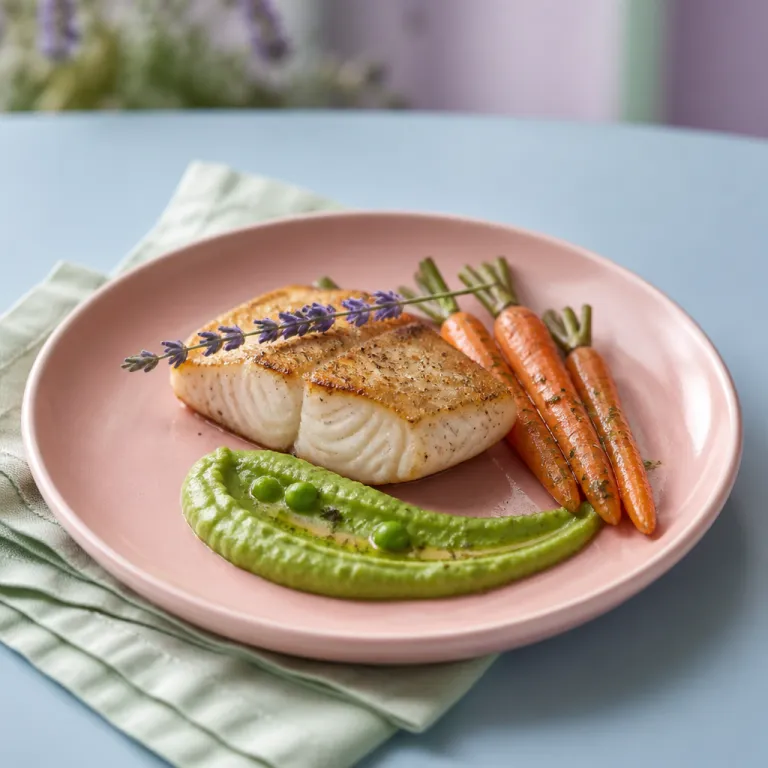
The rise of the gastropub inn food driven hotel
Across the United States, a quiet shift is reshaping the classic inn. The modern food led inn or gastropub style hotel has emerged as a place where the restaurant is the headline act and the bed upstairs is the encore, echoing the way Palacio de Luces in Asturias built its reputation around the Michelin noted Tella dining room, as recognised in the Guía Michelin España & Portugal. In this kitchen first model, guests often book primarily for the dining experience, and many innkeepers now report that a clear majority of visitors arrive with a reservation for supper already in hand rather than treating dinner as an afterthought, a pattern also reflected in industry surveys from bodies such as the National Restaurant Association.
Think of the best rural gastro pub in England, then translate that sensibility to American backroads and small towns. The bar might look like a familiar pub, but the menu reads like a chef driven manifesto, with seasonal menu items, serious charcuterie boards and a wine list that would not embarrass a city restaurant. Properties such as The Lost Kitchen in Freedom, Maine, The Inn at Little Washington in Virginia or SingleThread in Healdsburg, California show how passion for great cooking can sit at the centre of the stay, and how innkeepers and chefs act less like anonymous staff and more like hosts curating your entire evening, a role frequently highlighted in profiles in publications like Bon Appétit and Food & Wine.
These properties often operate with focused hours for both the gastropub and the rooms. Dinner service typically runs between 18:00 and 21:00, while breakfast follows a gentler 07:30 to 10:00 rhythm, mirroring common year round patterns reported in boutique inn benchmarking reports. The inn’s offer is complete only when you see how the pub, the restaurant and the rooms interlock, so always view menu details before you book and treat the room as a privilege extended to diners rather than a separate product.
In this context, the word gastropub is not a marketing flourish. It signals a kitchen that treats ingredients with respect, a bar that takes craft beer and drinks seriously, and a team that understands that great food is the primary reason you are here. When an inn positions itself as a gastropub inn food driven hotel or a food forward pub with rooms, it is making a clear promise about the standard of its pub fare, its fish and chips, its charcuterie boards and its broader selection of dishes.
For couples planning a romantic escape, this model can be disarming at first. You call to secure a table rather than a suite, then add the room once the restaurant confirms space, which feels almost upside down compared with a conventional hotel. Yet for many travelers, especially those who eat and drink with intent, this reversal is exactly what makes the stay feel rare and worth crossing a state line for.
Dinner as the structure of the stay
At a serious gastropub inn food driven hotel or supper led country inn, supper is not a casual option. It is the spine of the visit, the reason you arrive before dark, the event around which the innkeepers quietly arrange everything from check in timing to bar hours. Guests are encouraged to reserve dining in advance, inquire about dietary accommodations and treat the evening as a single, unhurried dining experience rather than a quick stop at a pub.
Many of the best examples work with a fixed or tightly edited menu, sometimes served at set times. Constraints sharpen the kitchen’s focus, allowing a chef driven team to cook a small number of menu items exceptionally well, from elevated pub fare to immaculate fish and chips that justify the journey. When the restaurant is full of both locals and overnight guests, you feel close to the inn’s real life, not sealed away in a generic hotel dining room.
This rhythm echoes the gastropub with rooms model that has produced some of the most lauded small inns in Britain, such as the Hand & Flowers in Marlow or the Star Inn at Harome, both repeatedly cited in UK dining guides. In the United States, similar properties often blend farm to table sourcing with a relaxed pub atmosphere, pairing charcuterie boards and seasonal dishes with a thoughtful wine list and a serious craft beer selection. The result is a room upstairs that feels like an extension of the restaurant, not a separate world.
For couples, the evening usually unfolds in three acts. You might start with drinks at the bar, perhaps a local craft beer or a glass from the shorter but well chosen wine list, then move to a table where the chef driven kitchen sends out a complete sequence of dishes. Later, you climb the stairs to a simple but comfortable room, still close enough to the pub that you can hear the last call echo through the floorboards.
If you are drawn to more specific culinary journeys, such as refined Chinese cooking, the same principles apply. Food led properties highlighted in guides to elevated Szechuan inn stays show how a focused kitchen can anchor an entire trip, much like these gastropub led inns do for lovers of pub fare and great food. On inn stay platforms, look for properties where the restaurant’s story comes first, then learn how the rooms support that narrative rather than compete with it.
The chef landlord and the economics of value
The most compelling gastropub inn food driven hotel is often run by a chef who is also an owner or partner. This chef landlord model creates a direct line of accountability from what you eat to where you sleep, and it explains why so many guests in the United States now book primarily for the dining experience. When the same person signs off on both the menu and the mattress, compromises become harder to hide.
From an economic perspective, these inns can look expensive at first glance. Headline room rates may sit above nearby hotels, yet once you factor in a multi course supper, a serious selection of drinks and a cooked to order breakfast, the value often tilts in your favour. Industry observers note that introducing gourmet dining can significantly lift bookings and revenue, a trend discussed in hospitality trade publications, which allows innkeepers to invest in better ingredients, more experienced staff and more thoughtful hospitality without cutting corners elsewhere.
Many chef driven inns build their offer around farm to table sourcing, seasonal menus and partnerships with local farmers, artisan producers and wine suppliers. The restaurant becomes a showcase for regional ingredients, from the fish in your fish and chips to the cheese on your charcuterie boards, while the pub downstairs remains a relaxed place to eat and drink without ceremony. When you view menu details online, you will often see the same names of producers repeated, a sign that the inn is serious about its supply chain.
Breakfast at these properties tends to be quietly impressive. A kitchen that has already demonstrated ambition at supper rarely reverts to a token buffet, preferring cooked to order dishes that use the same quality ingredients and the same passion for great cooking as the evening service. For travelers used to generic hotel spreads, this can feel closer to the elevated Chinese inn buffet experiences profiled in specialist guides, where every plate reflects a clear culinary point of view.
On the booking side, many gastropub inns now allow you to order online for the restaurant, reserve specific menu items in advance or purchase tasting menus as part of a room package. Some even offer free cancellation on the room while keeping the supper reservation firm, a subtle reminder that the kitchen remains the heart of the operation. When you call or book through a curated platform, always ask how the dinner and room pricing interlock, because the best value often lies in packages that quietly bundle both.
What guests should expect from rooms in a food led inn
Rooms in a gastropub inn food driven hotel are rarely about spectacle. You should expect comfort, character and quiet rather than sprawling suites, and you should accept that the inn’s energy will always sit closer to the pub and restaurant than to the corridors upstairs. When food reputation outstrips room quality, disappointment usually stems from a mismatch between expectations and the inn’s stated priorities.
In the best properties, the bedroom feels like a calm coda to the evening. Beds are good, linens are crisp, and the details that matter after a long dining experience — blackout curtains, strong showers, thoughtful lighting — are handled with the same care as the menu items downstairs. You may not find a spa or a concierge desk, but you will find an innkeeper who knows exactly when you finished your last glass of wine and how late breakfast can reasonably be stretched.
Noise is the most common trade off in a building where the pub is the beating heart. Being close to the bar means you might hear last call or the clink of glasses, especially on weekends when hours stretch towards midnight, so light sleepers should request rooms further from the action. A good inn will be transparent about this, and the most honest booking platforms will flag when an inn is a true pub with rooms rather than a quiet country retreat.
For couples, the charm lies in the continuity between downstairs and upstairs. You eat and drink in the same building where you sleep, you pass the bar on your way to breakfast, and you may even glimpse the chef landlord carrying in ingredients while you check out. This intimacy is what separates a genuine gastropub inn from a charmless hotel that simply added a restaurant and borrowed the word inn for marketing.
If you are considering a first stay at a property nobody in your circle has reviewed, it pays to understand both the gains and the risks. Guides to the first night at an unreviewed inn explain how to read between the lines of menus, photos and guest comments to judge whether the hospitality will feel coherent from plate to pillow. Use that same lens when assessing any food led inn, and remember that a strong kitchen can only compensate so far for a bedroom that feels neglected.
How to choose and book a gastropub inn food driven hotel
Selecting the right gastropub inn food driven hotel starts with the menu, not the mattress. Read the restaurant’s story, learn about the chef’s background and check whether the innkeepers emphasise culinary excellence over lodging in their own words. A serious gastro pub will present a complete menu online, with clear descriptions of dishes, transparent pricing and a visible commitment to local ingredients.
Next, look closely at how the inn handles reservations. The strongest properties encourage you to reserve dining in advance, sometimes requiring a table booking before confirming a room, which signals that supper is the main event rather than an add on. When you call or use an online system to order online special menus or packages, pay attention to how clearly the team explains hours, last call at the pub and any free cancellation windows.
Reviews can help, but focus on specifics. Seek comments that mention the dining experience in detail, from the texture of the fish and chips to the balance of the wine list and the quality of the craft beer selection, rather than vague praise about great food. Look for mentions of charcuterie boards, pub fare, chef driven tasting menus and the way staff handle drinks pairings, because these details reveal whether the hospitality feels genuinely curated.
Practicalities matter too, especially for couples planning a short escape. Check how close the inn is to other attractions, whether late arrivals can still be fed properly and whether breakfast is included or charged separately, since these factors shape the overall value. Some properties in the United States now offer small perks such as free parking or complimentary drinks on arrival, which can soften the higher room rate that often accompanies serious kitchens.
Finally, remember that not all inns offer gourmet dining, and not every pub with rooms aspires to be a destination restaurant. As one expert guide notes, “Do all inns offer gourmet dining? No, offerings vary; some focus on lodging, others on dining.” The most rewarding stays come when you choose an inn whose priorities match your own, where passion for great cooking, thoughtful hospitality and a quietly comfortable room align into a single, memorable night.
FAQ
What is a kitchen supper at an inn ?
A kitchen supper at an inn is an informal meal served in or near the working kitchen, often for family, close friends or long standing regulars. It usually features simple but well cooked dishes using the same ingredients as the main restaurant, without the formality of the dining room. This kind of meal highlights the inn’s hospitality culture and the relaxed side of a chef driven operation.
Do all inns with rooms operate as food led properties ?
No, many traditional inns still focus primarily on lodging and treat the restaurant or pub as a secondary amenity. Food led inns, by contrast, position the dining experience as the main reason to visit, with the room functioning as an extension of the restaurant. When researching, prioritise properties that talk in depth about their menu, ingredients and chef, not just their room categories.
How can I find inns with exceptional dining in the United States ?
The most reliable approach is to combine specialist inn guides with respected restaurant resources. Look for properties that appear both in culinary rankings and in curated inn listings, then cross check guest reviews for detailed comments about dishes, drinks and service. When an inn is consistently praised for great food, a strong wine list and attentive hospitality, it is likely to deliver a memorable supper led stay.
Are food focused inns good value for couples on a short break ?
They often represent strong value once you factor in the quality of supper and breakfast. While room rates can be higher than at nearby hotels, the combined cost of a chef driven dinner, good drinks and a cooked to order morning meal usually compares favourably with booking each element separately. For couples who travel to eat and drink well, concentrating spend in a single gastropub inn can feel both efficient and indulgent.
What should I ask before booking a gastropub inn food driven hotel ?
Before confirming, ask how dinner reservations work, what hours the restaurant and pub keep, and whether breakfast is included in the rate. Clarify room locations in relation to the bar if you are sensitive to noise, and request to view menu samples to ensure the style of cooking suits your tastes. These questions help align expectations so that both the dining experience and the overnight stay feel coherent and satisfying.