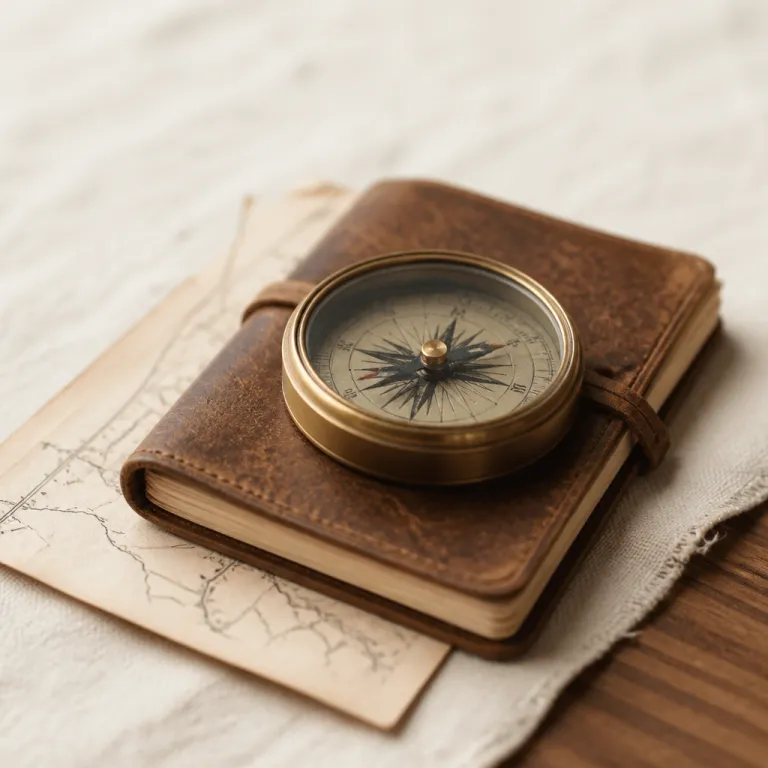
The quiet power of an inn host’s local knowledge
The finest countryside stays begin with an inn host whose local knowledge runs deeper than any app. When you book luxury inns or premium b&bs in rural areas, you are not just reserving accommodation but tapping into a human travel guide who lives the landscape every day and understands how weather, farming rhythms, and village life shape each path. That is where the main SEO thread of an inn host with local knowledge in the countryside becomes more than a phrase and turns into the difference between a forgettable night and a stay that feels quietly life changing.
Across England, the West Country, the South Downs, and the quieter corners of France, the best inns and manor houses are usually run by an innkeeper who walks the land before breakfast. These are not anonymous hotels with rotating staff but a house where the same family has been rooted in the same place for decades, and where the inn host can sketch a path on the back of a menu that keeps you off busy roads and close to hedgerows. In this world, the inn, the b&b, and the more polished bed and breakfast all rely on one asset above all others: the person who can read the clouds, the fields, and the mood of the village.
Luxury booking platforms for inns and b&bs typically now highlight “local culture” and “hidden gems” as selling points, but the reality on the ground varies sharply. Some rural accommodation options, from converted manor houses to small bed and breakfasts, simply repeat what they have read online, while others offer a personal touch that comes from knowing every farmer by name and every stile by feel. When you choose carefully, you will receive not only a room and a hearty breakfast but also the kind of local knowledge that lets you immerse yourself in village life rather than just pass through it.
From recommendation to route: the hierarchy of real local guidance
There is a clear hierarchy in how inn hosts share local knowledge, and it matters for anyone booking premium countryside accommodation. At the lowest level, some inns and hotels hand over a printed travel guide or generic leaflet about outdoor activities, which is better than nothing but rarely tailored to the guest in front of them. At the highest level, the landlord or innkeeper steps out of the house with you, points to the ridge, traces a path with their hand, and adjusts the route because they know the west field is boggy after rain.
On a well run inn stay, especially in England or rural France, the host will ask how far you like walking, whether you are staying solo or as a family, and whether you care more about views, local culture, or a pub at the halfway point. That is when the concept of an inn host with local knowledge in the countryside becomes precise; the route for a solo explorer who wants silence will differ from the path chosen for a family with children who need a stream and a snack stop. A strong booking platform for luxury inns should help you identify these properties in advance, which is why guides to elevated inn booking and personalized service are worth reading before you commit.
In the middle of this hierarchy sit many b&bs and bed and breakfasts that mean well but stop at verbal suggestions, leaving guests to interpret vague directions in unfamiliar rural areas. The best manor houses and country inns go further, lending boots, marking maps, and timing evening meals so you return to a fire and a glass poured without asking. When you evaluate inns, b&bs, and small hotels online, look for reviews that mention this personal touch, because it signals an inn where you will receive guidance that is shaped around you rather than around a brochure.
Why no app can replace the landlord who walks the land
Digital maps and AI powered travel tools are impressive, but they cannot match an inn host whose local knowledge in the countryside comes from walking the same paths in every season. An app can show you a right of way across the South Downs Way or a marked trail in the Lake District, yet it cannot tell you that the farmer has moved the cattle this week or that the stream is too high for safe crossing. That is why the best inns and b&bs in rural areas still rely on the innkeeper’s judgement rather than outsourcing everything to technology.
When an inn host has lived in the same house or manor for years, their advice carries a weight that no algorithm can replicate, especially for solo travelers. They know which outdoor activities suit a misty morning, which path is sheltered when the wind swings round, and which pub on the edge of the village quietly changed hands and is no longer worth the detour. As one expert summary from the UK’s Professional Association of Self-Caterers puts it with disarming clarity: “What makes a good innkeeper? Excellent customer service, local knowledge, and attention to detail.”
There is also a question of trust and pricing that runs alongside this guidance, because an inn that cares about your route usually cares about your bill. Properties where the landlord explains the bar tab, the rate, and the unadvertised midweek offer tend to be the same places where they will walk you to the gate and point out the safest path home after evening meals. For a deeper look at how this plays out in practice, read the analysis of what a bar tab reveals about an inn’s trust and pricing culture, then apply the same lens when choosing your next country inn or b&b.
Landscape, tenure, and the solo traveler’s quiet advantage
In countryside inns, the depth of local knowledge often signals how long the innkeeper has been rooted in the land. A landlord who can name every path within a mile, recall which manor houses once owned which fields, and explain how the village shifted when the railway closed is rarely a recent arrival. That tenure matters for solo travelers, because it means the advice you will receive is grounded in lived experience rather than in something skimmed from a travel guide.
Solo guests at inns, b&bs, and small hotels often enjoy a subtle advantage over groups when it comes to personalized routes and local culture. With only one person to brief, the inn host can tailor a walk through rural areas that matches your pace, your appetite for outdoor activities, and your comfort with unmarked paths, whether you are staying in the west of England, the South Downs, or the quieter corners of France. Many b&bs typically also find it easier to adjust evening meals, breakfast times, and even room allocation for a single traveler, which deepens the sense of being looked after in a house rather than processed in a hotel.
On a well curated booking site for inns, look for reviews where solo guests mention the landlord drawing maps, lending gear, or suggesting a bed and breakfast or b&b in the next valley that suits your onward route. That kind of networked local knowledge in the countryside shows that the innkeeper walks the land and knows neighbouring accommodation personally, from simple bed and breakfasts to grander manor houses. It also hints at a culture where you can immerse yourself in local life at your own pace, confident that someone back at the inn understands exactly which path you took and when you are likely to return.
From commodified “local experiences” to genuine countryside hospitality
As luxury travel marketing has embraced the language of local culture, many hotels and even some inns have turned “local experiences” into packaged products. You see it in pre set walks, fixed price tastings, and rigid timetables that feel more like excursions than like the easy, personal touch of a landlord who simply knows the land. The risk is clear; when every stay is sliced into bookable modules, the inn host’s local knowledge in the countryside is sidelined in favour of order keep and inventory management.
True countryside hospitality looks different, especially in England’s West Country, the South Downs, or the wine growing regions of France where rural areas still move at their own pace. At the best inns, b&bs, and bed and breakfasts, you will receive suggestions that respond to the day rather than to a package, whether that means a short path to a farm shop selling locally sourced cheese or a longer loop that passes a manor and a hidden churchyard. Many of these properties also align naturally with sustainable tourism, because an innkeeper who walks the land tends to care about erosion, wildlife, and the impact of too many boots on a single trail.
Food is part of this same pattern, since a hearty breakfast built around locally sourced produce and flexible evening meals says as much about an inn’s values as any sustainability label. Some b&bs typically serve simple bed and breakfast plates, while others in manor houses or old country inns offer multi course dinners that quietly showcase local culture without fanfare. For travelers who care about both refined dining and sense of place, it is worth exploring more specialised guides such as the feature on inn stays for refined palates and elevated regional cooking, then seeking the same integrity in whatever rural region you choose.
How to read a booking page when you want a landlord who walks the land
Finding an inn host with real local knowledge in the countryside starts long before you arrive at the front door. When you scan booking pages for inns, b&bs, and small hotels, look beyond room size and amenities to the language used about walks, outdoor activities, and the surrounding country. Properties that mention specific paths, named hills, or nearby manor houses usually signal a landlord who actually walks those routes rather than one who copies text from a generic travel guide.
Reviews are your second filter, especially for rural accommodation in England, France, and other regions where the landscape is the main draw. Pay attention to comments about the innkeeper’s advice, the way they time evening meals around your walks, and whether guests felt they could immerse themselves in local life rather than just tick off sights, because these details reveal how the house is really run. When several guests mention a personal touch, such as the landlord lending maps, adjusting a hearty breakfast time, or recommending another bed and breakfast or b&b along your onward path, you are likely looking at the kind of inn where you will receive the guidance you need.
Finally, consider how the property talks about sustainable tourism and locally sourced food, because these are often linked to how seriously they take the land itself. An inn that works with local farmers, respects footpaths across rural areas, and understands the pressure on hidden gems is usually run by someone who has walked the same loops for years. Choose that inn, and you are not just booking a room; you are choosing a landlord who walks the land, knows every path within a mile, and is ready to share that knowledge with you, one carefully drawn route at a time.
FAQ
How do I identify an inn with genuinely knowledgeable hosts when booking online ?
Look for inns, b&bs, and small hotels where the description and reviews mention specific walks, named landmarks, and tailored route suggestions rather than generic references to “great hiking nearby”. Properties that highlight the innkeeper’s advice, flexible breakfast times for early starts, and help with maps usually have hosts who walk the land themselves. When several guests mention a personal touch around outdoor activities, you can be confident the landlord’s local knowledge in the countryside is real.
Why does an inn host’s local knowledge matter more in rural areas than in cities ?
In rural areas, paths change with weather, farming patterns, and access agreements, so static maps and apps quickly become outdated. An inn host who lives on site and walks the surrounding country can steer you away from flooded fields, closed gates, or unsafe shortcuts in a way that digital tools cannot. That guidance is especially valuable for solo travelers, who rely on the innkeeper to suggest routes that match their ability and daylight hours.
What makes a good innkeeper from a guest experience perspective ?
A strong innkeeper combines attentive service inside the house with deep knowledge of the surrounding landscape and community. They manage the accommodation smoothly, serve a reliable hearty breakfast, and still find time to recommend paths, local culture highlights, and hidden gems that suit each guest. As the expert material states, “How do innkeepers enhance guest experience? By providing personalized services and local recommendations.”
How does local knowledge connect to sustainable tourism at countryside inns ?
Inn hosts who walk their land understand which paths can handle more footfall and which fragile areas need protection, so they can direct guests accordingly. Many such inns and bed and breakfasts also work with local producers for locally sourced food and support conservation groups, aligning daily operations with sustainable tourism principles. When you follow their advice, you help spread impact across the landscape rather than overloading a single viewpoint or trail.
Are b&bs typically better than larger hotels for personalized countryside advice ?
Smaller b&bs and inns usually offer more direct contact with the owner or innkeeper, which often leads to more tailored route suggestions and flexible meal times. Larger hotels can provide comfort and facilities, but staff turnover and scale sometimes dilute the depth of local knowledge available at the front desk. If walking, outdoor activities, and immersion in local culture are priorities, a well run inn, b&bs, or bed and breakfast is usually the stronger choice.