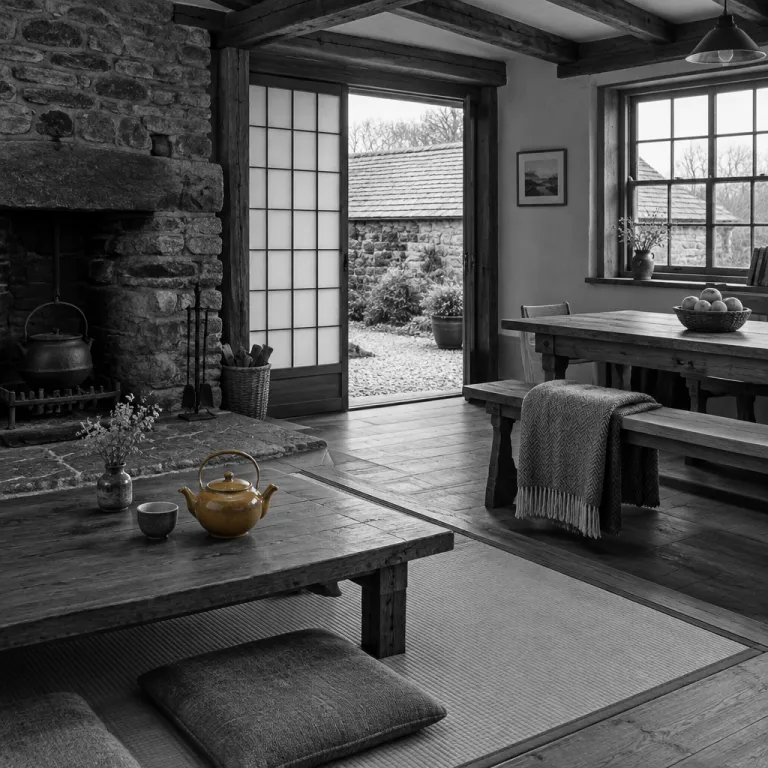
The limits of the world hotel search when you want an inn
Type world hotel into any booking engine and you receive a grid of glossy sameness. The algorithm assumes that a ryokan in rural Japan, a granite coaching inn in cornwall, and a clapboard Vermont farmstay can be weighed on the same scale as anonymous hotels in the usa. Yet the traveler who prefers an inn is rarely chasing brand points or a predictable lobby ; they are looking for a host, a hearth, and a room that feels proportioned to a single human body.
On a luxury and premium booking website for inns, the task is to resist the flattening effect of the world hotel mindset. A ryokan owner who lives above the kitchen, a Cornish landlord who knows the tide tables, and a Vermont farmer who lays out breakfast from the orchard are all practicing hospitality that cannot be captured by a generic hotel star rating. These places may appear under the same hotels tab as a city resort or a glass tower, but their architecture, rituals, and expectations for adults and children are radically different.
What unites these properties is not a brand but a relationship between guest and place. The host usually sleeps within a few metres of your room, the kitchen cooks what the land and season provide, and the scale of each room is guided by comfort rather than by a corporate standard for room adults or child room categories. When a booking platform treats them as just another hotel, the traveler searching for characterful inns in norway, sweden, or rural canada risks missing the very experiences that make a journey feel rooted in the world rather than in a chain.
Shared DNA: host, kitchen, and rooms that fit the human body
Walk into a Japanese ryokan after a long train ride and the host is often waiting at the door, not behind a reception desk but on the same tatami level as your bare feet. Arrive late at a Cornish inn and the landlord may have kept the fire going in the bar, knowing that a solo adult traveler will want a quiet pint before climbing the narrow stairs. Reach a Vermont farmstay at dusk and you might find the farmer turning down your room while a child from the family shows your child where the chickens sleep.
These are not sentimental details ; they are the core of a world hotel experience that has no genre and yet feels instantly legible. In all three property types, the host lives in or beside the building, so the line between private and public space is porous and the welcome feels personal for both adults and children. The kitchen is not a generic hotel restaurant but a working space that cooks what the land provides, whether that is river fish in sweden, apples from a Vermont orchard, or seaweed and mackerel on a Cornish coast.
Rooms in these inns are scaled to the human body rather than to a chain’s template for a standard hotel room. A ryokan room might be measured in tatami mats, a Cornish inn room in how many steps from bed to window, and a Vermont child room in how much floor space is left once the wood stove is safely fenced off. Luxury here is not about a grand lobby or a resort pool ; it is about proportion, quiet, and the feeling that the walls remember previous guests. For travelers drawn to this kind of stay, guides such as the fall foliage from the inn window report matter more than any global ranking of hotels.
How place reshapes the inn: from tatami floors to tin baths
Once you look closely, the idea of a single world hotel standard collapses under the weight of local detail. In norway, a timber inn in the mountain town of roros norway might offer reindeer stew and a drying room for skis, while a granite coaching inn in cornwall leans into low beams, flagstone floors, and a bar polished by generations of hands. A Vermont farmstay, by contrast, might centre its entire rhythm around the barn, the maple trees, and the changing light on the fields.
These differences are not cosmetic ; they shape how you sleep, bathe, and move through the day as an adult or as a child. A ryokan’s tatami floor and futon invite you to sit close to the ground, to slide doors rather than slam them, and to treat the room as a single continuous space for both adults and children. A Cornish inn’s tin bath, deep mattress, and sash window frame the Atlantic weather, while a Vermont farmstay’s quilts, rocking chairs, and porch steps make the threshold between inside and outside feel almost optional.
Even when an inn borrows language from the hotel world, such as calling itself a grand hotel or adding a small hotel spa, the experience remains anchored in place. A lakeside inn in sweden might market itself as a sweden hotel with a sauna and plunge pool, yet the real luxury is the silence of the forest and the host who knows the best path to the water for your adult children. When you compare this to a large property like the Best Western Premier Grand Canyon Squire Inn, reviewed in depth in the Grand Canyon inn stay guide, you see how scale and setting change everything about what the word hotel can mean.
When booking platforms flatten ryokan, inn, and farmstay into one hotel
Most booking engines are built for efficiency, not nuance, which is why a ryokan, a Cornish inn, and a Vermont farmstay are often tagged under the same world hotel filters. You are asked to choose by star rating, by distance from the centre, or by whether a hotel spa is available, but not by whether the host lives on site or whether breakfast eggs come from the field outside your window. The result is that properties with deep character compete on the same grid as chain hotels in london, germany, or the usa that may be excellent but fundamentally different.
Luxury and premium booking websites for inns have to work harder to signal these differences without overwhelming the traveler. Instead of listing only room size in square metres, they might describe how many steps from bed to fireplace, or whether the room adults and child room arrangements are flexible for a family with one child and two adults. They can also highlight whether the host is present at breakfast, whether dinner is cooked from a set menu based on the farm’s produce, and whether children are invited to help feed animals or are better suited to a quieter, adults focused stay.
There is also a classification problem when global hotel groups enter the inn space. A property that belongs to a collection such as WorldHotels or the more curated WorldHotels Crafted portfolio might share a reservation system with city hotels in canada or china, yet on the ground it behaves like a traditional inn. Without careful curation, a traveler searching for a small hotel london hideaway or a rural sweden hotel with a sauna could end up in a polished but placeless resort. That is why independent guides, including the inn guide to properties that reward the detour, are becoming essential reading for travelers who care about character.
A more useful taxonomy: reading an inn by experience, not by stars
If the world hotel label is too blunt, what should replace it for travelers who prefer inns. One answer is to classify properties by the kind of relationship they create between guest, host, and place rather than by amenities alone. For example, a ryokan where the owner serves tea in your room before dinner belongs in a different category from a city hotel in milan italy where the lobby bar is the social heart.
On a premium booking website for inns, filters could start with questions that matter to this audience. Does the host live on site and share meals with guests, or is the property run more like a traditional hotel with separate staff areas. Is the kitchen a working farm kitchen, as in many Vermont farmstays and rural peru casa properties, or a fine dining restaurant that happens to sit inside an old inn building.
Another useful axis is how the property handles different life stages and group types. Some inns are designed for quiet stays by solo adults or couples, with small room adults capacities and limited space for children, while others explicitly welcome families with flexible child room options and shared tables. A ryokan might offer separate bathing times for men, women, and families with adult children, whereas a Cornish inn could simply provide a deep bath and a note about quiet hours. By foregrounding these experiential categories, a booking platform can help you choose between a grand hotel with a spa in italy and a farmhouse inn in canada without pretending they belong to the same genre.
Global examples: when world hotel collections meet inn character
Some of the most interesting properties sit at the intersection of global hotel systems and local inn character. In canada, a lakeside lodge that belongs to a Canada prestige collection might use a central reservation platform yet still feel like a family run inn, with the owner’s child helping to carry firewood and greeting other children at check in. In sweden, a historic hotell in stockholm sweden can operate as both a city hotel and a neighbourhood inn, with a bar where local adults outnumber guests on weeknights.
WorldHotels and the more design focused WorldHotels Crafted portfolio include properties that blur these lines in germany, italy, and the usa. A grand hotel in london might be listed as a standard hotel london address in the system, yet on the ground it behaves like an inn, with a landlord style manager who knows regular guests by name and a kitchen that buys from within a 100 kilometre radius. In australia stamford properties such as Stamford Plaza, the public spaces can feel like a city resort, but certain floors or wings are run almost like a private inn for repeat guests.
In peru, the Casa Andina group offers a clear example of how a hotel brand can lean into place. At Casa Andina Premium in lima peru, the andina premium rooms are designed with local textiles and art, while smaller Peru Casa properties in the highlands operate more like inns, with owners who live on site and share stories over breakfast. Even when these hotels work with partners press teams to position themselves within a global world hotel narrative, the best of them remember that what matters most is the feeling when you open the door to your room and sense that someone has prepared it for you, personally, rather than for a generic guest profile.
Key figures that reshape how we think about world hotel stays
- According to data from the World Travel & Tourism Council, international tourist arrivals exceeded 1.4 billion recently, and a growing share of these travelers report choosing smaller inns and guesthouses over large hotels for at least one trip per year, indicating a measurable shift toward more intimate stays.
- Research from Booking Holdings has shown that properties with hosts living on site receive guest satisfaction scores that are on average 5 to 10 percentage points higher than comparable hotels without resident hosts, underscoring the value of the innkeeper presence.
- Design trend reports from major hospitality consultancies note that more than half of new or renovated properties now incorporate locally sourced materials within a 100 kilometre radius, confirming the rise of hyper localization in what used to be a standardized world hotel landscape.
- Surveys by national tourism boards in countries such as norway, sweden, and canada indicate that rural inns and farmstays can command up to 20 percent higher average daily rates than nearby chain hotels when they successfully communicate their unique sense of place.
FAQ about ryokan, inns, farmstays, and the world hotel idea
How is a ryokan different from a standard hotel or inn.
A ryokan is a traditional Japanese guesthouse where you usually sleep on futons laid on tatami mats, bathe in shared onsen style baths, and eat set menus based on seasonal local ingredients. The host often lives on site and may greet you personally in your room, which makes the experience feel closer to staying in a family home than in a conventional hotel. For travelers used to Western hotels, the main differences are the floor level lifestyle, the ritual of bathing, and the emphasis on quiet communal spaces.
What should I expect from a Cornish inn compared with a city hotel.
A Cornish inn is typically smaller, older, and more idiosyncratic than a city hotel, with low ceilings, uneven floors, and a bar that serves as the social centre for locals as well as guests. Rooms may be compact but characterful, sometimes with sea views or direct access to walking paths, and the landlord often knows the tides, the weather, and the best nearby pubs. Service is usually informal but attentive, and meals focus on local fish, farm produce, and regional ales rather than on a broad international menu.
Are Vermont farmstays suitable for families with children.
Many Vermont farmstays are designed with families in mind, offering flexible room adults and child room configurations, outdoor space to roam, and activities such as feeding animals or helping with light farm chores. Parents should check whether a property welcomes younger children or prefers older adult children, as some working farms have safety constraints. When well matched, these stays can be ideal for children who enjoy nature and for adults who want a slower, more grounded rhythm than a typical resort holiday.
How can I tell if an inn will feel more like a hotel or a home.
The clearest indicators are whether the host lives on site, how many rooms the property has, and how meals are served. An inn with fewer than twenty rooms, a resident owner, and shared breakfast tables will usually feel more like a home, while a larger property with separate staff areas and a formal restaurant may lean toward a hotel atmosphere. Reading detailed reviews and curated guides that focus on guest experience, rather than only on amenities, is the most reliable way to understand the true character of a place.
Do global collections like WorldHotels include genuine inn style properties.
Yes, collections such as WorldHotels and WorldHotels Crafted include a mix of classic hotels and smaller properties that operate very much like inns, especially in historic districts and rural areas. These inns benefit from global reservation systems and loyalty points while still offering local architecture, resident hosts, and kitchens that cook from nearby farms or markets. Travelers who value inn character should look beyond the brand name and read how each property describes its rooms, public spaces, and relationship with the surrounding community.