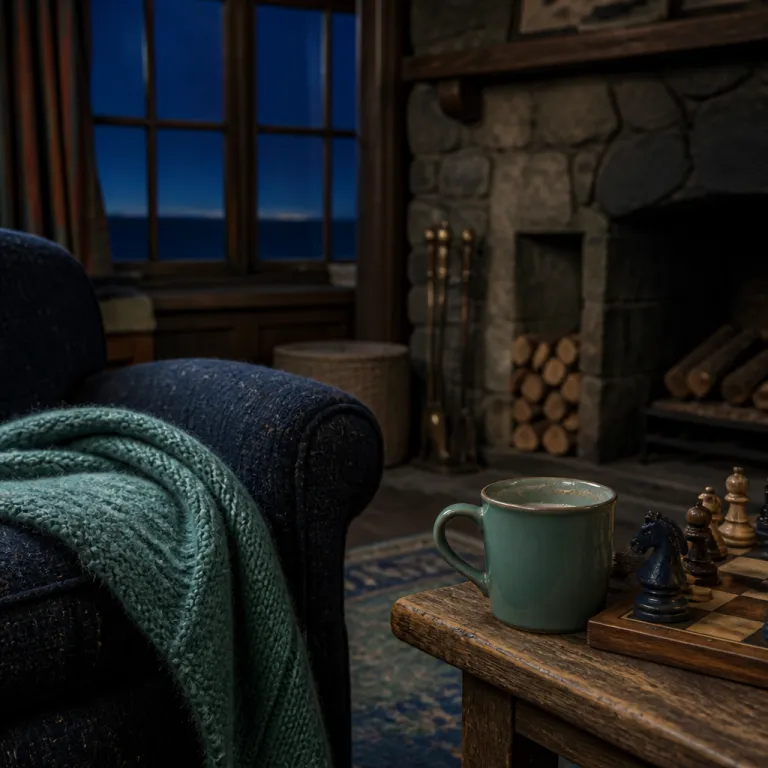
The inn common room sitting room fire as the real luxury
Walk into a true inn and the argument for staying there is made before you reach your guest room. The inn’s common sitting room, with its open fire glowing in the corner, sends a quiet signal that this is a place designed for lingering rather than passing through, and that the evening will be shaped by flames rather than a lobby television. In a world of efficient hotels and identical rooms, that single hearth can be the most persuasive definition of luxury.
Historic properties such as Brass Lantern Inn in Stowe, Vermont, or Weekapaug Inn in Westerly, Rhode Island, understand that their common room is not décor, but infrastructure. These inns build their whole rhythm around a living room or gathering room where a wood-burning fireplace anchors conversation, reading and the slow unwinding that business and leisure travelers rarely find in standard hotels. When an inn in a historic building keeps its public room genuinely used, the guest rooms feel like supporting actors rather than the main event.
The best accommodations treat the sitting room as a working space, not a museum. Sofas are deep enough to sink into, lamps are placed for reading, and the fire is lit before the first guest comes down from their comfortable room to relax with a drink. One guest at a Vermont hill-village inn described it as “the kind of room where you forget your phone exists for an hour.” This is where a winter stay, an anniversary weekend or a quiet solo trip becomes a sequence of shared experiences rather than just a bed-and-breakfast transaction.
What makes a common room work for real stays
Successful inns treat the common room as a carefully tuned ecosystem. The innkeeper at Inn at Glencairn in Princeton, New Jersey, for example, uses the 500-square-foot great room with its original fireplaces as a genuine gathering room, not a photo backdrop, and the absence of a television keeps the focus on the open fire and the people around it. When you book luxury accommodations there, you are booking an evening in that room as much as a night in any guest room.
Across the United States, from Connecticut River towns to Vermont hill villages, the pattern is consistent. Properties that maintain a functioning living room with a wood-burning hearth, books, board games and a small honesty bar report longer evening dwell times and higher guest satisfaction than comparable hotels with only a lobby. Industry surveys from organizations such as the American Hotel & Lodging Association (for example, AHLA’s 2019 and 2022 reports on changing guest preferences) show that interest in “unplugged” or low screen time getaways has risen steadily over the past decade, and the rise in demand for unplugged vacations is especially visible in historic inn destinations where the inn features a real fire in a shared room.
For the business-leisure traveler extending a work trip, this matters. Instead of another laptop dinner in a silent room, a fire-lit lounge offers a civilised alternative, where you can relax with a glass of wine, answer a few emails discreetly, then close the laptop and slide into conversation when it feels natural. Our detailed guide to refined lakeside properties, such as those in the bay region around Lake Michigan, shows how a well-designed gathering room can turn a necessary stay into a restorative one, and you can see this clearly in our elegant guide to bay inn stays around Lake Michigan and beyond on our inn stay review site.
When the common room fails and feels like a hotel lobby
Not every inn common room delivers on its promise. Some properties have technically preserved a public room, but overfurnish it with fragile antiques, scatter cushions and statement lighting until guests feel they are trespassing in a showroom rather than entering a relaxing place. Others add a large television to the corner, and the moment the screen glows, the conversation and the sense of shared experience drain from the space.
The failed common room is usually too tidy to sit in and too formal to relax in. Chairs are lined up against walls instead of grouped for quiet talk, the fireplace in one corner is unlit except on holidays, and the room is used more for wedding photos than for winter evenings with a roaring fire. In these hotels that call themselves inns, the living room becomes a corridor, and guests retreat to their individual rooms, turning what could have been a communal destination into a standard overnight stay.
Renovations can make this worse when they chase a generic luxury aesthetic. We have seen barn conversions and farmhouse projects where the original gathering room was carved into extra guest rooms, leaving only a perfumed lobby with a decorative gas flame, and our analysis of such properties in our feature on the barn conversion trap shows how easily characterful inns become storage with beds. When you read any article about a historic inn renovation, look for the phrase common room or sitting room and ask whether the fire is meant to be used nightly or merely staged for photographs.
The evening rhythm around the fire
A working common room has its own timetable, and the innkeeper respects it. Late afternoon, the fire is laid and lit, so that the first guests coming back from walks or meetings find warmth and a quiet living room ready for them. This is when a business traveler can shift from emails to a book, and when a couple on an anniversary trip can claim a comfortable seat by the hearth before dinner.
Predinner, the space becomes a civilised bar without a bar counter. At places like Trail’s End Inn or Green Trails Inn, drinks appear on side tables, soft music stays low or absent, and the public room fills with the low murmur of guests comparing local hikes, snow conditions or coastal drives. After dinner, the same gathering room changes gear again, as the fire burns lower and conversations deepen, and the absence of a television keeps the focus on people and the play of light on old beams.
This rhythm is especially powerful in winter, when a roaring fire or a quieter open fire becomes the evening’s anchor. Guests drift between their guest rooms and the common room, sometimes bringing a board game, sometimes just a glass of wine, and the inn features such as original stone fireplaces or wide-plank floors become part of the story they will later share on social media or even share on Facebook. For those who usually end workdays alone in anonymous rooms, this pattern of gentle, optional sociability can feel like a form of wellness in itself.
How to choose an inn where the fire still matters
Selecting the right inn for your next stay means reading between the lines. When you scan an article or a property website, look for specific references to a common room, a sitting room or a great room with working fireplaces, and check whether the images show people actually using the space rather than empty chairs. Inns such as Weekapaug Inn or Brass Lantern Inn explicitly describe their wood-burning hearths and shared rooms as central to their accommodations, which is a strong sign that the fire is more than a decorative prop.
Before you book, ask direct questions. Does the inn light the fire in the main sitting room every evening in winter, or only on request, and is there a separate fireplace private to any guest room if you prefer more seclusion? Clarify whether the living room or gathering room has a television, whether Wi‑Fi is present but discreet, and how late the public room remains open, because these details shape whether the space will feel like a true destination or just a passageway.
Practicalities still matter, even in the glow of a roaring fire. Confirm how many guest rooms share the main common room, whether there are quieter corners for reading, and how the inn handles its privacy policy and guest expectations around photography or social media in shared spaces. For travelers drawn to coastal escapes, our review of an elegant coastal inn in Ocracoke on our inn stay review site shows how a well-managed common room can coexist with strong wellness programming and refined luxury, turning a simple place to sleep into a place to relax, think and genuinely reset.
Frequently asked questions about fire lit common rooms in inns
Do these inns provide Wi Fi in the common room ?
Some inns offer Wi‑Fi in the common room, while others keep the fire-lit lounge as a more unplugged zone. Policies vary by inn, so you should always ask whether the living room or public room has coverage and whether there are quieter guest rooms for work. If you need to balance wellness with connectivity during your stay, choose accommodations that clearly explain their approach to digital access.
Are meals usually included in a stay at an inn with a common room ?
Many inns with a strong common room culture operate as a bed and breakfast, offering breakfast in a dining room adjacent to the gathering room. Dinner may be served on site or recommended at nearby places, especially in Connecticut villages or Vermont towns where local restaurants complement the inn experience. Always check whether your rate includes breakfast, and whether predinner drinks are served around the open fire as part of the evening rhythm.
Is there a dress code for using the common room in luxury inns ?
Even in luxury properties, the common room is usually relaxed, with smart casual clothing more than adequate for winter evenings by a roaring fire. The aim is a comfortable room where guests can move between their guest rooms and the living room without feeling underdressed. If you are planning an anniversary celebration or a business meeting in the gathering room, you can always ask the innkeeper for guidance.
How can I tell if the common room will actually be used by guests ?
Look for signs that the fire-lit common room is part of daily life rather than a staged photograph. Descriptions of board games, books, evening drinks and a wood-burning hearth lit every night suggest a working space, while a focus only on décor hints at a showpiece. Reviews that mention conversations in the public room or time spent in the great room are strong indicators that the room functions as intended.
What should I check in the inn's policies before booking ?
Beyond the usual privacy policy and cancellation terms, ask about fire safety rules, quiet hours in the common room and whether children share the space in the evening. Clarify if any guest room has a fireplace private to it, and whether the historic building has restrictions on wood-burning versus gas fireplaces. These details help you match your expectations for relax-focused experiences with the reality of the destination and the specific inn features.