Inn expansion growth character in a multi building world
The phrase inn expansion growth character sounds abstract until you arrive at a property where the story is written in timber and stone. An inn that began as a single main house and now stretches across three buildings can feel either like a carefully edited collection or like a small chain of unrelated hotels stitched together by a car park. For travelers choosing between a characterful inn and a generic hotel located on the edge of town, understanding how expansion shapes atmosphere is the quiet luxury skill that separates a memorable stay from a forgettable one.
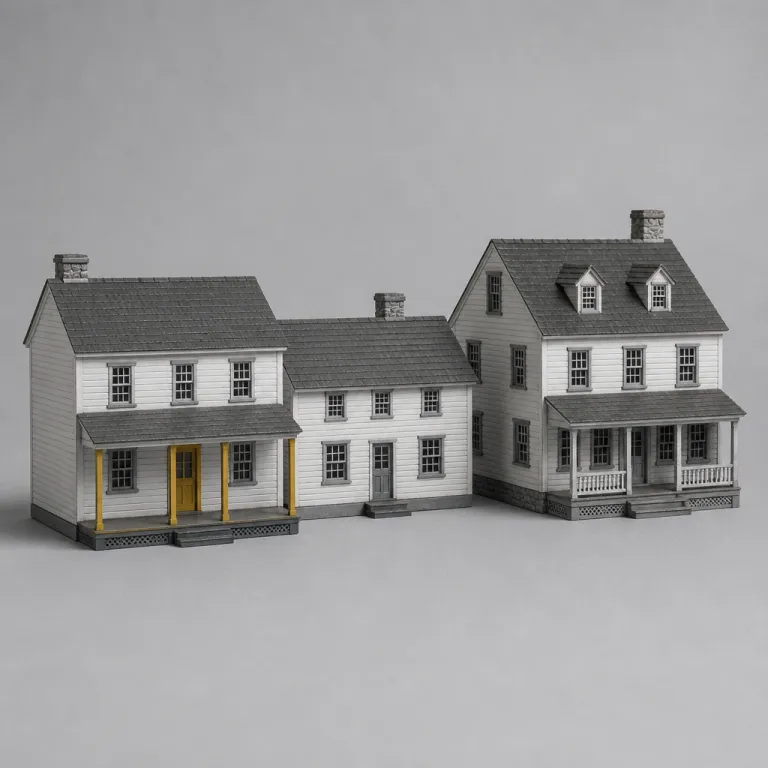
Consider a Springfield inn on Main Street, originally built as a modest house and now extended into three structures around a garden courtyard. In this hypothetical example, the innkeeper, architect and construction team treat the expansion project as a hospitality narrative rather than a simple real estate play, using traditional architecture, sustainable materials and community input to keep the historic façade and interior proportions intact. That kind of thoughtful inn expansion and character growth is very different from a hotel expansion where an international hospitality group drops a prefabricated wing behind an older building and calls it heritage.
Large brands such as Marriott International or other global hospitality groups work with scale, pipelines and brand portfolio discipline, while a single inn works with memory, light and the way footsteps sound on old floors. Both models answer increased demand, but the inn’s growth is usually measured in rooms added over years, not in dozens of new hotels opened each quarter across international markets. When you browse a luxury booking website, the challenge is to read between the lines of the project description and decide whether the expansion preserved a unique sense of place or diluted it into something that could belong to any of the world’s interchangeable hotels and resorts.
From main house to annexes: how narrative connects the buildings
Most authentic inn expansion growth character follows a familiar pattern, even if the setting shifts from Midwest river town to coastal island. First comes the main house, then a carriage house or garden wing, then perhaps a neighbouring cottage that once served as a manufacturing facility or stable and now offers quiet suites for guests luxury seekers. The question for you, scrolling through a booking engine, is whether those buildings read as one coherent story or as a scattered portfolio of unrelated spaces.
Harbour View Inn on Mackinac Island, a verified historic property with multiple buildings, is a useful benchmark, with 84 rooms spread across four structures named Guest House, Carriage House, Chateau and Cottage House. Each building has its own historic narrative, yet the collection feels intentional rather than accidental, a kind of small scale brand portfolio where the courtyard suite and garden room clearly belong to the same hospitality project. When you compare that to some international hotels where the annex feels like an airport corridor, you start to see how sensitive inn expansion and multi building design can either elevate or erode the guest experience.
Room hierarchy matters here, because the main house room often commands a premium over an annex room, even when the annex offers more space or newer bathrooms. Our guide to shifting inn standards from Kyoto to the Cotswolds explains how definitions of inn, hotel and lodge vary by culture, and it is worth reading that analysis of world inn standards before you commit to a long term stay. As you scan the main content on any booking page, skip main marketing fluff and instead look for clues about which building you are actually reserving, how far it sits from the inn’s social heart and whether the expansion preserved the historic core or pushed it to the margins.
When growth preserves character: layered spaces and lived in history
The Springfield case study shows how inn expansion growth character can work when everyone treats the project as stewardship rather than speculation. In this hypothetical example, planning runs for months, with blueprints, 3D modelling and local craftsmanship used to ensure that new wings echo the original inn’s proportions, materials and sightlines. Instead of chasing maximum room count, the team focuses on walkable connections, natural light and views, so that the enlarged property still feels like one address rather than a fragmented complex.
Guests now move between a main house with low ceilings and a newer garden building where spa cabins and conference rooms sit around a planted courtyard. The historic space remains the emotional centre, while the added buildings quietly absorb increased demand for full service amenities such as wellness facilities and meeting rooms without turning the inn into a generic luxury resort. When asked about the balance, the team answer plainly: "How was the inn's character preserved?" and "By using original materials and designs." and "What new amenities were added?" and "Spa, conference rooms, and a garden." and "Is the inn accessible to all guests?" and "Yes, with ADA-compliant facilities."
This is hearthside hospitality, not a themed backdrop, and it aligns with the argument that hearthside hospitality is not cottagecore, a distinction worth defending if you care about authenticity. The inn’s growth has created a small internal collection of rooms, from compact historic doubles to larger suites in the new wing, yet the brand remains singular and rooted rather than splintered into sub brands. For a traveler used to award winning hotels from Marriott or other brands, this kind of layered, lived in luxury experience can feel more personal than any polished lobby, precisely because the expansion project respects the building’s age and imperfections.
When expansion dilutes: the moment an inn feels like a small chain
Not every inn expansion growth character story ends well, and you can usually sense trouble before you arrive. If the booking page reads like a generic hotel expansion press release, heavy on phrases such as global footprint, brand portfolio and real estate optimisation, you are probably looking at a property that has drifted toward chain logic. The risk is not scale itself but the loss of a unique through line connecting the main house to the newest wing.
Warning signs include identikit corridors, extensions that erase gardens to make way for parking and a guest experience that feels interchangeable with mid tier hotels in any international airport district. When an inn starts chasing every possible segment with conference centres, oversized spas and anonymous dining rooms, the original building can become a mere lobby for a complex that behaves like a small resort. At that point, the inn may still market itself as intimate, but the reality on the ground resembles a compact version of the large hotels and resorts operated by global hospitality groups.
Our analysis of reimagined circle inn stays for modern luxury travelers shows how some properties manage to scale without losing their soul, yet others slide into brand speak and never return. When you visit website pages for such places, skip main slogans and go straight to floor plans, building descriptions and photographs that show how the spaces relate to each other. If you cannot tell where the inn ends and the generic hotel begins, the expansion has probably diluted the character that once justified choosing an inn over a standard full service hotel.
The owner’s dilemma and how to read it from your booking screen
Behind every inn expansion growth character story sits an owner weighing intimacy against solvency. A small property with fifteen rooms can deliver intensely personal hospitality, but rising wages, maintenance costs and the need for accessibility upgrades often push owners toward expansion. The Springfield inn’s move from one to three buildings over six months of construction reflects a pattern repeated across years in many regions where tourism has become a main economic activity.
Owners face the same pressures that drive Marriott International or any large hospitality group to grow their collection of hotels and resorts, yet they lack the cushion of a global portfolio and centralised systems. They must decide whether to add a handful of rooms in a neighbouring cottage, convert an outbuilding that was originally built as a manufacturing facility or partner with investors for a larger expansion project that risks overwhelming the original inn. The best outcomes treat the inn as a single, evolving brand rather than a cluster of loosely related buildings, even when the real estate footprint triples.
From your side of the screen, the task is to read those decisions in the main content of each listing before you click visit website or confirm a long term stay. Look for language that explains how the new space relates to the historic core, how guests luxury expectations are managed across room types and whether the property positions itself as an inn or quietly leans into hotel language. When inn expansion growth character is handled with care, you arrive to find a fire lit in the original lounge, a quiet path to your newer room and a landlord who still knows the shortcut to the lake.
FAQ
How can I tell if an inn’s expansion has preserved its character ?
Look for clear descriptions of each building, with the historic main house still presented as the emotional centre rather than a token façade. Photographs should show consistent materials, proportions and design language across old and new spaces, not abrupt shifts that feel like separate hotels. Reviews that mention atmosphere, sense of place and staff continuity are stronger indicators than generic praise for size or amenities.
Does a larger room count mean an inn will feel like a hotel ?
Room count matters, but layout and operations matter more. An inn with thirty well integrated rooms across two or three buildings can feel more intimate than a twenty room property where the annex is run like a separate hotel. Pay attention to whether social spaces, check in and dining are shared and human scaled, or whether the property has drifted toward a full service hotel model with impersonal flows.
What should I check on a booking website before choosing an annex room ?
Always confirm which building your room sits in and how far it is from the main house, especially if you value quick access to lounges, bars or meeting rooms. Check whether annex rooms have their own character or simply mimic standard hotels, and whether the price difference reflects that shift. If the listing is vague, contact the inn directly and ask for floor plans or specific room recommendations, then run a quick checklist: building name, distance to shared social spaces, noise levels, ADA status and whether breakfast and reception are in the same structure.
Are multi building inns suitable for business travelers extending into leisure stays ?
They can be excellent for business leisure travelers, provided the expansion has added thoughtful workspaces and reliable connectivity without sacrificing quiet corners. Look for properties that combine small conference rooms or libraries with relaxed lounges and gardens, rather than those that bolt on oversized event centres. A well planned three building inn often offers the best of both worlds : focused work during the day and a genuinely local luxury experience after hours.
Why do some historic inns partner with large hospitality brands ?
Partnerships with major brands such as Marriott or other international groups can provide capital for renovations, access to loyalty programmes and stronger marketing reach. The trade off is the risk that brand standards and hotel expansion targets override local character, especially when multiple properties are added to a regional portfolio. When considering such an inn, check whether the original name, team and design language remain visible, or whether the property now feels like just another flag in a global collection.
Sources
Historic Hotels of America, annual member property reports (accessed 2024); IHG Hotels & Resorts, corporate development and pipeline updates (2023–2024); Marriott International, Form 10-K annual filings and development presentations (2022–2023).