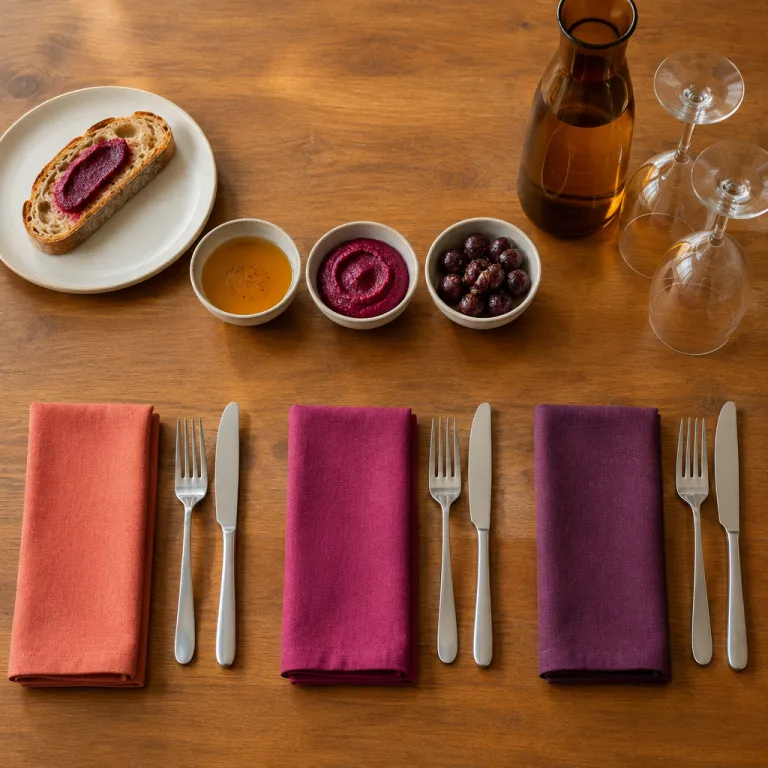
The inn pre-dinner ritual evening tradition as quiet theatre
The most revealing hour in any inn is the one before dinner. This inn pre-dinner ritual evening tradition is when couples return from the day, shed their coats, and decide whether the night will be sociable or private. In a well run property, that choice is gently guided rather than forced.
Inns that understand this moment treat it as a kind of quiet theatre, where the cast includes the landlord, the fire, and the first drinks. The inn pre-dinner ritual evening tradition is rarely scripted, yet the best teams choreograph light, sound, and service so it feels effortlessly natural. You notice how the room is small enough for a nod across the hearth, but large enough to keep your own conversation.
Across europe and the United States, this early evening window has become a benchmark for restorative luxury. Guests are no longer impressed by a minibar ; they want a human scaled inn pre-dinner ritual evening tradition that feels personal and unhurried. When you are choosing where to stay, ask how and where that pre dinner hour is usually spent.
In a thoughtful property, the first drink is an invitation rather than a transaction. Some couples gravitate to a low sofa, others to a window seat, and the landlord reads these cues before suggesting drinks that match the mood. This is where the inn quietly defines whether it is a house of conversation, contemplation, or performance.
Luxury and premium booking platforms for inns now highlight this hour as clearly as they highlight thread counts. You will see references to fireside drinks, garden spritz service, or a hosted aperitif hour, and these are not throwaway phrases. They are signals that the property has built a culture around the evening rather than just the bed.
From sherry to spritz: regional pre-supper customs at characterful inns
Regional traditions shape how the inn pre-dinner ritual evening tradition unfolds, and they matter more than you might expect. In a British country inn, the classic pattern is a tray of small sherry glasses in the drawing room, served with salted nuts or simple snacks. The landlord might pour a measure of sweet vermouth or a light fortified wine, then leave you to the low murmur of other guests.
Move to rural france and the same hour leans towards an outdoor aperitif in a courtyard or under plane trees. Here the aperitif style might be a glass of pastis, a chilled vermouth, or a local sparkling wine, always served with olives or tiny toasts. The pre dinner conversation drifts between tables, and the innkeeper becomes a neighbour who happens to know every vineyard within twenty kilometres.
In italy, the inn pre-dinner ritual evening tradition is inseparable from aperitivo culture. A thoughtful host will frame this as a gentle version of italy aperitivo rather than a noisy city happy hour, with an emphasis on conversation and landscape. You might be offered an aperol spritz, a prosecco aperol mix, or a classic campari sweetened with a splash of soda water and a slice of orange.
Good Italian inns understand that aperitivo drinks are not just drinks ; they are a bridge between day and dinner. A small plate of snacks, perhaps local cheese or thinly sliced salumi, is served alongside the drink so the alcohol never dominates. Italians have refined this italian tradition into an art, and the best luxury inns borrow its rhythm without turning it into a theme night.
When you browse a curated collection of luxury inns with serious dining rooms, pay attention to how they describe this early evening phase. Properties that reference an aperitivo experience, an innkeeper hosted aperitif, or a fireside spritz are signalling a deeper commitment to hospitality. They are telling you that the road to dinner is as carefully designed as the plate that eventually arrives.
Why inns excel where hotels stumble in the early evening
Large hotels rarely manage a convincing inn pre-dinner ritual evening tradition, and the reasons are structural. Scale makes it hard to create a room that is neither lobby nor bar, a space where a drink feels like a welcome rather than a transaction. When the bartender has a queue and the music is set for volume, the subtlety of the pre dinner hour disappears.
By contrast, an inn can let the landlord move between roles during the evening, shifting from host to neighbour to quiet observer. In that early evening window, the person who checked you in might now be pouring your vermouth, asking about the walk you took, and suggesting a particular wine with dinner. This human continuity is almost impossible to reproduce in a property where staff rotate between anonymous shifts.
Inns also have the advantage of flexible spaces that can change character as the light fades. A breakfast room becomes an aperitif room, with lamps dimmed and a tray of aperitivo drinks laid out beside a bowl of citrus and herbal garnishes. A porch that held muddy boots at noon becomes the place where an aperitivo enjoyed at sunset quietly resets your pace.
Some of the most interesting properties borrow cues from japanese inns, where the pre-supper ritual might be a bath before kaiseki rather than a drink. The principle is the same ; a defined transition from outside world to dining table, guided rather than scheduled. For a deeper look at how food and rhythm intersect, the guide to elevated inn buffet experiences shows how even self service formats can feel ceremonial.
When you evaluate a luxury inn online, read guest comments about the evening rather than just the rooms. If people mention that the landlord poured a campari based drink unasked, or that an informal aperitivo hour gathered guests around the fire, you are seeing the inn’s philosophy in action. Where this hour is thin or absent, the rest of the stay often feels transactional.
Designing the room between day and dinner
The physical setting of the inn pre-dinner ritual evening tradition is as important as the drinks. You are looking for a room that is neither bedroom nor dining room, a liminal space where the day can loosen its grip. Light should suggest evening without announcing it, with lamps and candles doing more work than overhead fittings.
Furniture matters because it dictates how couples and small groups will behave. Deep armchairs pulled around a low table encourage lingering over an aperitif, while a long bench by the window invites quiet people watching with a single drink. The best inns mix both, allowing you to choose solitude or conversation without feeling you have chosen the wrong side of the room.
On the table, the details of the aperitivo experience tell you how seriously the inn takes this hour. A tray with vermouth, soda water, and a bowl of citrus peels suggests a host who understands aperitif style service, while a lonely bottle behind the bar suggests the opposite. When an inn offers both a classic italian aperitivo and a local twist, you see an attention to culture rather than just trend.
Snacks should be generous enough to carry you towards dinner, but not so heavy that they replace it. A few small plates of nuts, olives, or local cheese, served with care, make an aperitivo enjoyed in the early evening feel intentional rather than improvised. If you see only a packet of crisps beside a complex spritz, the balance is off.
Outdoor spaces can also host this hour, especially in warmer climates. A garden bench with a view, a porch swing, or a terrace with soft blankets can all become stages for the inn pre-dinner ritual evening tradition when the weather cooperates. For more on how hosts shape these spaces, the piece on landlords who truly know their land shows how setting and service intertwine.
Aperitivo, dolce vita, and what your glass says about the inn
What you are poured in that early evening slot is never just a drink. The choice between an aperol spritz, a campari sweetened with soda, or a glass of sweet vermouth over ice tells you how the inn reads its guests. Some couples want the full dolce vita mood, others prefer a low alcohol vermouth and soda water that keeps the palate sharp for dinner.
Inns that lean into aperitivo culture often talk about aperitivo italy as if it were a brand, but the best ones translate it quietly. They might offer an italian aperitivo alongside a local gin and herbal tonic, or pair a prosecco aperol mix with regional cheese rather than imported snacks. Italians have long used aperitivo drinks as a social glue, and thoughtful innkeepers adapt that italian tradition to their own landscape.
Look for language like served aperitivo or hosted aperitivo hour in property descriptions, because it signals intention. When an aperitivo experience is framed as a gift of time rather than a push for revenue, you feel it in the pacing of service and the generosity of the pour. A well made spritz, served in a proper glass with a small plate of food, says more about the house than any marketing copy.
Non alcoholic options deserve equal care, especially in a culture that often equates happy hour with excess. A good inn will offer a bitter soda with herbal notes, a carefully mixed soda water and citrus drink, or a vermouth inspired infusion without alcohol. When these drinks are served with the same attention as wine or spirits, the message is clear ; everyone is invited into the ritual.
As you compare luxury and premium inns on booking platforms, pay attention to how they talk about this hour between day and dinner. Properties that describe the inn pre-dinner ritual evening tradition in concrete terms — the exact drinks, the snacks, the room, the light — are usually the ones that deliver. Where the language is vague, the experience often is too.
Reading the pre-supper hour as a guide to the inn’s soul
The way an inn handles the hour before dinner is a reliable test of its values. If the room is empty, the bar closed, and no one suggests a drink or a walk, you are staying somewhere that treats evening as a gap rather than a gift. When the inn pre-dinner ritual evening tradition is alive, you feel it the moment you step back through the door.
Watch how the landlord or host behaves as guests drift in from the day. Do they remember what you drank yesterday, suggest a new aperitif, or quietly steer you towards a corner that suits your mood. In that small choreography, the innkeeper stops being a hotelier and becomes something closer to a neighbour who happens to have a bottle open.
Food and beverage teams now understand that this unscripted hour can define the whole stay. A thoughtful sequence — perhaps an aperitivo enjoyed in the garden, followed by a short pause before dinner — creates a sense of narrative that no scheduled entertainment can match. When the pre dinner phase is rushed or ignored, the meal itself often feels like a separate, less meaningful event.
For couples choosing a romantic escape, this is the moment to research most carefully. Read between the lines of reviews for mentions of aperitivo hour, fireside drinks, or a host who poured vermouth without being asked. These details reveal more about the inn’s culture than any list of amenities.
In the end, the glass in your hand, the snacks on the table, and the way the light falls on the room are all part of the same quiet statement. They tell you whether the property believes in slowness, in conversation, in the gentle luxury of being unhurried before dinner. Choose the inn where that statement feels aligned with how you want your evenings to unfold.
FAQ
How can I tell from a listing whether an inn has a strong pre-supper ritual ?
Look for specific references to the inn pre-dinner ritual evening tradition rather than generic mentions of a bar. Phrases like hosted aperitif, fireside drinks, or aperitivo hour suggest that the property has designed this early evening phase with intention. Reviews that mention the landlord pouring a drink or offering snacks before dinner are especially telling.
What types of drinks are usually served before dinner at quality inns ?
Quality inns tend to offer low to medium alcohol options that prepare the palate rather than overwhelm it. You will often see vermouth with soda water, an aperol spritz, a campari based drink, or a glass of sparkling wine alongside non alcoholic herbal sodas. The key is balance, with drinks served alongside small snacks so the focus stays on conversation and anticipation for dinner.
Is aperitivo culture only relevant if I am staying in italy ?
Aperitivo culture began in italy, but its principles now influence inns worldwide. The idea of a gentle, sociable drink with snacks in the early evening translates well to countryside properties in many regions. When an inn references italian aperitivo or aperitivo italy, it is usually signalling a relaxed, convivial approach to the pre dinner hour rather than a strict regional copy.
What should I expect from snacks during the pre-dinner hour ?
Snacks during the inn pre-dinner ritual evening tradition should be thoughtful but not overwhelming. Expect small plates of nuts, olives, local cheese, or simple bites that complement aperitif style drinks without replacing the meal. If the offering feels generous and well paired with your drink, it is a good sign that the inn takes this ritual seriously.
Are non alcoholic options usually available during the pre-supper ritual ?
Most premium inns now recognise that not every guest wants alcohol before dinner. You should find options like herbal sodas, citrus based drinks with soda water, or vermouth inspired infusions without alcohol, all served with the same care as stronger drinks. If non alcoholic choices are limited or treated as an afterthought, the overall approach to hospitality may be similarly narrow.