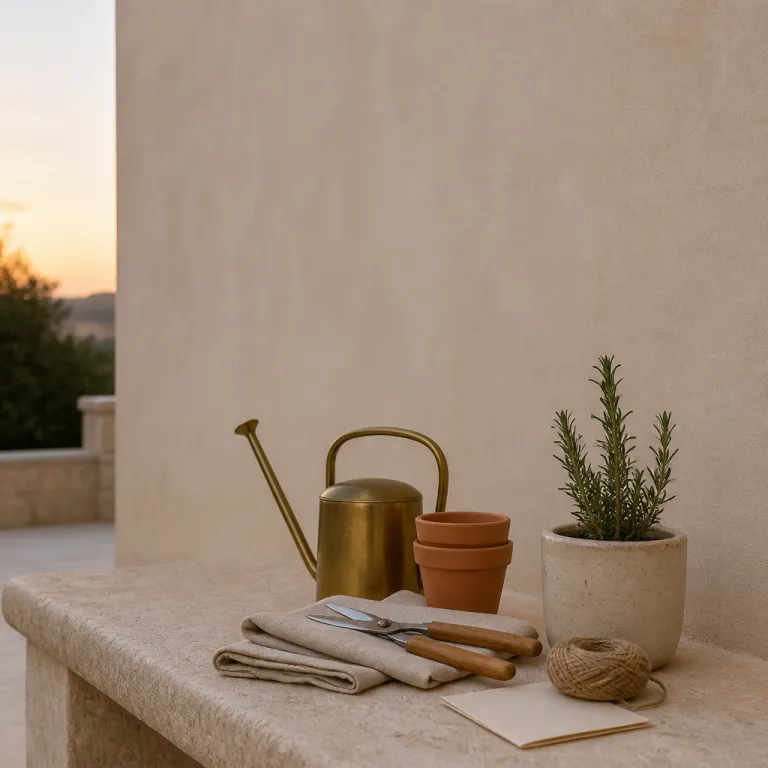
The dusk test for inn garden outdoor space design
Walk into an inn garden at dusk and you immediately sense whether the outdoor space was shaped for guests or for the brochure. Between 7 and 9 pm the light softens, shadows lengthen across the yard, and every design decision around paths, plants and seating areas either invites you to linger or sends you back inside. This is when an inn’s garden layout stops being a daytime backdrop and becomes a living room under the sky.
For couples choosing a stay through a luxury and premium booking website for inns, this dusk test is the quickest way to read the property’s character. A well considered guest garden layout will guide you from front yard to rear terrace with subtle cues: a lantern here, a bench there, a pergola framing a focal point of climbing plants or a single sculptural tree. Poorly planned areas feel like leftover space, with low maintenance shrubs pushed against walls, no clear seating area and lighting that is either too harsh or too dim.
Look for how the innkeepers and landscape designers have worked together to create transitions between indoor comfort and outdoor space. A small raised deck that steps gently into a zone garden, a gravel path that curves towards a secret garden corner, or a low stone wall that doubles as informal garden furniture all signal thoughtful garden design. When the garden’s choices feel coherent from the bar terrace to the furthest seating area, you can be confident the rest of the stay will follow the same standard.

Lighting, layout and the eco friendly inn garden
Lighting is the most revealing element of inn garden outdoor space design at dusk, because it shows whether the garden exists for photographs or for people. Decorative uplighting that blasts tree canopies might look dramatic on social media, yet couples trying to enjoy a quiet seating area will feel exposed rather than cocooned. The most successful garden ideas use layered, low lighting that traces paths, defines intimate areas and respects the night sky.
In a well documented case at the Hotel Verde in Cape Town, often cited as “Africa’s greenest hotel”, a mix of LED path lights, solar lanterns and dimmable fixtures cut exterior lighting energy use by around 40% while improving guest ratings for outdoor ambience. Guests move easily between the bar area and the lawn, guided by pools of warm light that add depth to the landscape without wasting energy or water resources. Hospitality designers often recommend path lights spaced about 2 to 3 metres apart, warm white bulbs around 2,700–3,000 K and roughly 100–200 lumens per fixture to keep the mood intimate while still allowing guests to move safely.
Eco conscious landscaping ideas go beyond lighting to the plants and materials that create the outdoor space. Drought tolerant planting schemes with shrubs, grasses and low water perennials reduce irrigation needs while still offering a lush feeling in both small garden plots and larger yard areas. Studies from the U.S. Environmental Protection Agency suggest that water efficient landscapes can cut outdoor water use by up to 50%; when you see rainwater directed into a zone garden of native plants, or a small raised bed of herbs near the outdoor kitchen, you are looking at a property where ideas connect design beauty with environmental responsibility and long term operating efficiency.
From decorative lawn to working landscape: when the garden feeds the stay
The most memorable inn gardens treat the landscape as part of the hospitality engine, not just a decorative frame for the building. A lawn that hosts long table dinners, a small garden orchard that becomes the evening bar, or raised beds that supply the breakfast kitchen all show how outdoor space can create real value for guests. When an inn uses its garden to grow herbs, fruit and vegetables, the garden ideas move from styling to substance.
Look closely at how the outdoor kitchen and indoor kitchen speak to each other through the garden area. Properties that take sustainability seriously often run composting systems, low water irrigation and seasonal planting plans that feed directly into the menu, a philosophy explored in this analysis of inn kitchens as a sustainability strategy. You might see climbing plants shading a terrace where guests sip drinks from the garden bar, while the same pergola structure supports grapevines that end up in the dessert course.
Functional landscaping ideas do not mean sacrificing romance or a sense of secret garden charm. A zone garden layout can separate productive raised beds from a quieter seating area, using shrubs and trellises to maintain garden privacy without blocking views. When innkeepers host an evening garden experience with guided tours, ambient lighting and live music, and when guests enjoy gardens at dusk in small groups rather than crowds, the working landscape becomes a stage for shared memories rather than a backstage utility space.
Weather, comfort and the art of usable outdoor space
Weather is the quiet critic of every inn garden outdoor space design, because a beautiful space that empties at the first breeze has failed its brief. Couples booking a romantic stay want to use the garden in imperfect conditions, not only on still summer evenings. The best garden design anticipates this with covered areas, wind breaks and flexible seating that can be rearranged as the sky changes.
Look for pergola structures with retractable canopies, low stone walls that shield a seating area from prevailing winds, and fire pits that extend the life of the yard well into shoulder seasons. When an inn adds blankets, low maintenance cushions and movable garden furniture, the outdoor space becomes a genuine extension of the lounge rather than a showpiece. Properties that host regular evening garden events often report a measurable guest satisfaction increase and higher return visit rates, with some boutique hotels citing double digit uplifts in repeat bookings after upgrading outdoor comfort features.
Thoughtful weather planning also shapes how water moves through the landscape. Instead of flat lawns that become unusable after rain, smart landscaping ideas use gentle grading, permeable paths and raised decks to keep key areas dry. You might see a small raised terrace near the bar, a gravel path at least 90 centimetres wide leading to a more secluded secret garden corner, or a front yard zone garden that channels runoff into drought tolerant planting; each move signals an inn where outdoor space will remain inviting even when the forecast is uncertain.
Wildness, privacy and the quiet luxury of a secret garden
Not every luxury inn garden needs to be clipped and controlled, and some of the most atmospheric outdoor spaces embrace a degree of wildness. Long grasses, loose planting and irregular paths can create a secret garden feeling that suits couples seeking privacy more than a formal parterre ever could. The key is intentional garden design, where every apparently casual choice still supports comfort, safety and ease of movement.
When you walk through an inn’s outdoor space, pay attention to how garden privacy is handled between different areas. A low hedge might separate a front yard seating area from the main path, while taller shrubs and climbing plants on trellises shield a more intimate corner near the garden bar. In small properties, a cleverly planned small garden can still create multiple distinct areas by using changes in level, raised planters and varied garden furniture to suggest different moods.
Wildness also offers ecological benefits when paired with low maintenance, low water planting schemes. Native plants, drought tolerant perennials and mixed shrubs support biodiversity while reducing the need for constant intervention, which is especially valuable for innkeepers managing both rooms and grounds. When you see an inn use its garden strategy to balance open lawn, shaded seating area and wilder edges, you are looking at a property that understands how outdoor space will quietly define the entire guest experience, a philosophy echoed across the curated stays highlighted on this guide to reimagined inn stays for modern travelers.
FAQ about inn gardens and outdoor spaces
How can I tell if an inn’s garden will feel welcoming at dusk ?
Check photos taken in the evening and look for layered, warm lighting along paths, near the bar and around each seating area rather than a single bright floodlight. A welcoming inn garden outdoor space design usually shows people actually using the outdoor space, with drinks on tables and cushions on chairs. If the images focus only on empty lawns and daytime plants, the garden may be more decorative than usable.
What should I look for in eco friendly inn garden design ?
Eco conscious garden ideas often include drought tolerant plants, low water irrigation, rainwater collection and native shrubs that support local wildlife. You might also see raised beds for herbs and vegetables, composting areas and an outdoor kitchen that uses produce from the garden. Inns that highlight these features in their descriptions usually treat sustainability as part of their core design rather than a marketing slogan.
Are evening garden events at inns suitable for couples seeking quiet stays ?
Many inns curate evening garden experiences with guided tours, ambient lighting and live music designed to enhance relaxation rather than create a party atmosphere. Event descriptions that mention small groups, seating areas spread across the yard and a focus on landscape appreciation usually indicate a calmer mood. If you prefer silence, choose dates without scheduled events or ask the innkeepers how often the garden bar and outdoor space host gatherings.
How does garden layout affect privacy in smaller inns ?
In a small garden, privacy depends on how the inn uses shrubs, screens and level changes to separate different areas. A thoughtful garden design might place a pergola with climbing plants between the main path and a more secluded seating area, or use raised planters to define a quiet corner away from the bar. When the layout clearly marks some spaces as semi private, couples can enjoy the outdoor space without feeling on display.
What practical details should I check before booking an inn for its garden ?
Look for information about lighting, weather protection and furniture quality, because these details determine whether the garden will be comfortable beyond a quick stroll. Reviews that mention usable outdoor space in cooler evenings, comfortable garden furniture and attentive innkeepers who prepare the area before guests arrive are strong positive signals. It is also wise to ask whether reservations are required for special garden dinners or events, especially in high season.
Quick checklist for inn garden comfort: warm white lighting (around 2,700–3,000 K), path lights of roughly 100–200 lumens spaced 2–3 metres apart, paths at least 90 centimetres wide, a mix of fixed and movable seating, some covered or wind sheltered areas, and visible drought tolerant or native planting that suggests low water, eco friendly design.