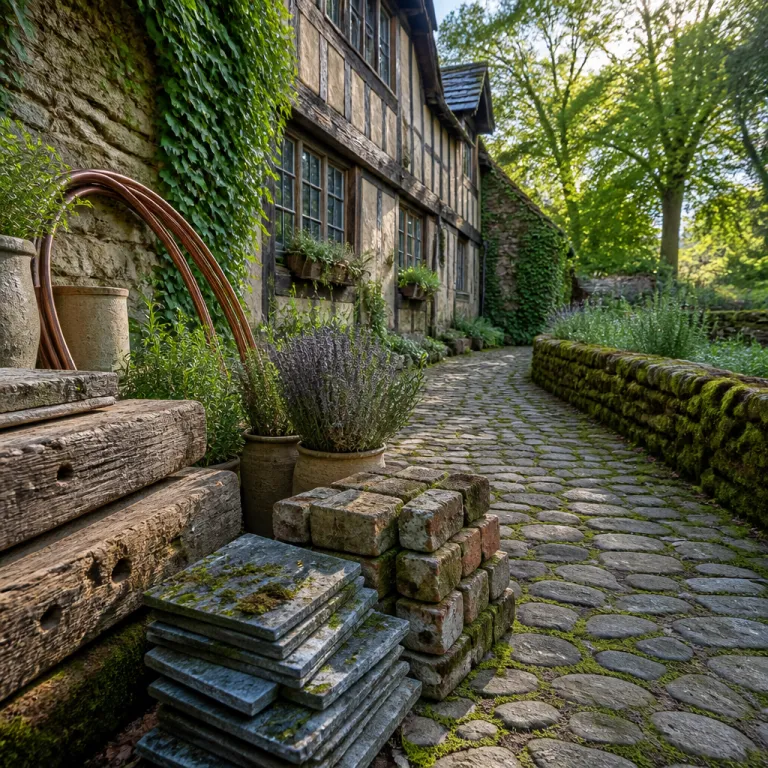
The embodied energy inside every sustainable historic inn building
Walk into a truly sustainable historic inn building and you are stepping into stored energy. The stone already quarried, the timber already cured and the lime plaster already set represent decades of carbon that the hospitality industry does not need to spend again. For business leisure travelers choosing a hotel for both comfort and conscience, that invisible ledger matters as much as the thread count.
Renovation rather than demolition is not nostalgia ; it is a measurable climate strategy grounded in hard data. Scientific assessments show that CO₂ emissions from demolition can represent more than one fifth of a construction project’s total impact, while energy savings from reuse can reach around seventy percent over starting from scratch. When you book sustainable hotels in historic buildings, you are effectively voting for this circular economy logic with every night’s stay.
Environmental agencies, building owners and construction companies now frame each project as a case for sustainable development rather than a simple refresh. Their partners — architects, engineers and environmental consultants — weigh whether a sustainable building upgrade can preserve architectural details while improving energy efficiency for future guests. As one expert summary puts it with disarming clarity : “Renovation reduces waste and emissions.”
Why adaptive reuse beats a certified green high rise
On paper, a new high rise hotel with a gleaming eco friendly certificate looks persuasive. In practice, the business case for a sustainable historic inn building is often stronger once you factor in embodied energy and the emissions locked into existing walls. The hospitality industry is slowly admitting that the greenest square metre is the one that was never rebuilt.
Adaptive reuse of historic buildings has become a defining trend in america and across Europe, especially for characterful hotels near historic places. Instead of razing an old train station or warehouse that fell into disrepair, owners now work with sustainable design specialists to turn these buildings into sustainable hotels that respect history while trimming operational energy. For travelers seeking premium historic inns near you, this shift means more options where sustainability and heritage align rather than compete.
When you compare a sustainable hotel created through careful preservation with a new certified tower, the guest experience often feels richer in the older building. Thick masonry, original architecture and art, and layered history create a sense of place that no new façade can imitate. For a deeper look at how this plays out in practice, our guide to premium historic inns and heritage comfort unpacks how operators translate sustainability into everyday service.
Comfort by design: how old inn architecture manages energy better than you think
Many travelers assume that a historic hotel building must be draughty, dark and inefficient. Step into a well kept sustainable historic inn building and you quickly see how traditional architecture solved comfort long before mechanical cooling. Thick stone or brick walls, modest window openings and cross ventilation were early forms of sustainable design tuned to local climates.
In temperate regions, these historic buildings often outperform modern glass boxes in passive energy management. Heavy walls smooth temperature swings, while deep eaves and shutters manage solar gain without a single kilowatt of extra energy. When owners add discreet upgrades — secondary glazing that respects historic preservation rules, or ground source heat pumps hidden in courtyards — the result can rival any contemporary sustainable hotel on energy efficiency metrics.
The best projects treat every cornice, stair and fireplace as part of a living sustainability strategy rather than a museum set. At properties like the carefully restored Cambridge townhouse featured in our review of what Georgian bones will and will not allow, architectural details guide what can be changed and what must remain. This tension between preservation and performance is where the most interesting sustainable hotels in historic buildings are quietly rewriting the rules.
What to look for when booking a genuinely sustainable historic inn
For the executive stretching a business trip into leisure, the challenge is reading between the lines of hotel marketing. A truly sustainable historic inn building rarely shouts ; it shows its values in the way the building is run and the guest experience is shaped. You are looking for substance over slogans, especially where formal green badges are missing.
Start with the bones of the architecture and the story of preservation. Ask whether the property is listed on a national register of historic places or a regional register of historic buildings, and how that status shapes renovation choices. If a former train station or merchant’s house once fell into disrepair, a transparent narrative about its restoration and historic preservation efforts is often a reliable signal of long term sustainability thinking.
Then look at operations, where most of a hotel’s carbon footprint hides in daily energy use. Industry analyses show that energy consumption can account for roughly sixty percent of a hotel’s emissions and utility costs, so serious operators talk clearly about energy efficiency, water systems and waste. Our review of the refined coastal Sandpiper Inn shows how a small property can balance spa level comfort, eco friendly choices and a calm, low impact design language without ever feeling preachy.
Inside the walls: how owners balance upgrades, preservation and guest expectations
Behind every sustainable historic inn building sits a trio of actors quietly shaping your stay. Building owners decide whether to demolish or renovate, construction companies execute the work and environmental agencies set the sustainability guardrails. Their shared goal is to reduce waste, lower emissions and preserve resources while keeping the doors open to paying guests.
On the ground, that means constant negotiation between comfort, authenticity and sustainability. Owners weigh whether adding a spa wing or extra rooms will compromise the original architecture, or whether a subtle extension can support the business case for sustainable development by funding further preservation. Design for Disassembly — the idea that new elements can later be taken apart and reused — is starting to appear in high end inn renovations, especially in america where the hospitality industry is rethinking long term value.
For travelers, the most telling details are often small. Low key green signage about eco friendly choices, art that references local history rather than generic prints and staff who can explain why a certain window was not double glazed because of historic preservation rules all signal a thoughtful sustainable building strategy. When a property speaks candidly about what it could not change, as much as what it upgraded, you are usually standing in a place where sustainability and history are genuinely aligned.
FAQ
Why is renovation usually better than demolition for sustainable hotels ?
Renovation keeps the embodied energy of existing buildings in play, avoiding the large emissions that come with demolition and new construction. It also preserves architectural details and historic character, which are central to the guest experience in a sustainable historic inn building. For most hotels, upgrading systems and improving energy efficiency within the old shell delivers a stronger long term sustainability outcome than starting again.
How can I tell if a historic hotel is genuinely eco friendly ?
Look for clear information about energy use, water management and waste reduction rather than vague green language. Properties that explain their preservation choices, reference national register or local historic places listings and share specific sustainable design measures usually have a credible sustainability strategy. Staff who can answer detailed questions about the building and its upgrades are another reliable indicator.
Do historic preservation rules stop inns from improving energy efficiency ?
Heritage regulations can limit visible changes, but they rarely block all sustainable development. Many owners improve insulation in roofs and floors, upgrade heating and cooling systems and install discreet secondary glazing that respects historic façades. The best projects treat preservation constraints as a design brief, finding creative ways to cut energy use without erasing history.
Are new certified green high rise hotels more sustainable than old inns ?
New certified buildings can be very efficient in operation, but they also carry the carbon cost of demolition and new construction. A well renovated sustainable historic inn building often has a lower lifetime footprint because it reuses existing materials and structure. For guests, that means you can enjoy comfort and character while supporting a more resource efficient hospitality industry.
What role do environmental agencies play in historic hotel renovations ?
Environmental agencies set guidelines for sustainable practices, from waste management to energy performance, and they often review major renovation plans. Their oversight encourages building owners and construction companies to prioritise renovation over demolition whenever feasible. This regulatory framework helps align historic preservation with broader sustainability goals in the hotel sector.