The first evening without a glowing screen
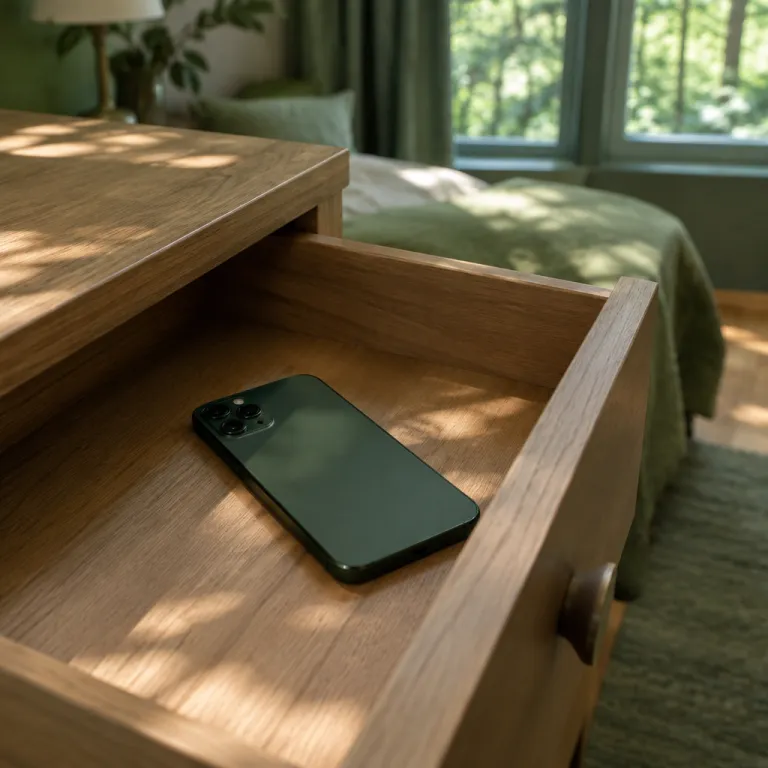
You arrive as a modern premium family, pockets buzzing with digital intent. At check in, the host explains the inn’s gentle digital detox program and offers a small wooden lockbox for every phone. The gesture feels discreet yet absolute, and this is where a true digital detox inn family no phone stay quietly begins.
Most guests place each phone inside, turn the key, and feel time stretch in a way that unsettles the mental rhythm shaped by media apps. The first hour is awkward; your hand still twitches toward an absent screen, and your mind keeps inventing reasons to check data or social media. “What are common struggles early in offline stay?” and “What fills the time instead?” are the most frequently asked questions, and the honest answers are printed in the lounge: “Urge to check phone, anxiety about missing messages” and “Reading, journaling, walks, slow meals”.
Parents notice how often they usually say “just a second” while watching screen time statistics or a work app, and that awareness can sting. Children ask for the phone several times a day, then drift toward the games cupboard, the garden gate, or the dog asleep by the fire. By the time sleep comes, the absence of blue light and late night time screen scrolling already feels like a subtle health treatment for the whole family; studies from organisations such as the American Academy of Pediatrics and the Sleep Foundation have linked reduced evening screen exposure with better sleep quality and calmer mood in both adults and children.
What children do when the inn is the entertainment
The second day is when a digital detox inn family no phone stay usually finds its rhythm. With no screen based entertainment, children roam the corridors, inspect the bookshelf, and negotiate which board game will fill the next free time block. The landlord, who knows the weather and the shortcut to the river, becomes more compelling than any app.
Unstructured time is the quiet luxury here, and it supports both mental health and physical health in ways that feel understated rather than clinical. A well curated analog games cupboard, a walled garden with paths measured in metres, and a fire laid before you come back from your visit outside all replace the usual media apps carousel. On some properties, a short vineyard walk and cellar tasting echo the slow pleasures of luxury inns offering wine tasting immersive stays in wine country, but the focus stays firmly on family sharing rather than alcohol; one innkeeper in rural Tuscany describes it simply as “teaching children that the landscape, not the screen, is the main attraction”.
Children invent rules, argue, and reconcile without a screen free cartoon to smooth the edges, which can unsettle parents used to instant digital distraction. Yet this friction is part of the treatment for fractured attention, a kind of informal session based on play rather than any formal health treatment protocol. By evening, family members often report that quality time feels less like a scheduled activity and more like the natural shape of the day, echoing research from child development specialists who note that boredom and free play can strengthen creativity, resilience, and social skills.
How meals and evenings change when phones vanish
At a serious digital detox inn family no phone property, the dining room is where you feel the shift most clearly. Tables hold candles, carafes, and perhaps a printed wine list, but never a glowing screen or a QR code menu. Without the reflex to lock phone screens between courses, conversation has to carry the meal from first plate to dessert.
Parents who usually track every step and calorie on a digital health app start to notice different data points: how relaxed their shoulders feel, how slowly they eat, how the children’s voices rise and fall. Screen free meals change the acoustics of a room, because there is no background soundtrack of media apps, video clips, or times day notifications. You hear cutlery, low laughter, and the landlord’s recommendations about the walk you should visit after breakfast instead of the latest social media trend; one guest at a well known phone free getaway in the Lake District described dinner there as “the first meal in years where nobody reached for a device between bites”.
Evenings stretch in a way that can feel like both a gift and a test of mental resilience. Some inns offer a loosely structured program, perhaps a short reading in the library, a board game session, or a stargazing walk based on clear weather and staff support. Others simply provide lamplight, comfortable chairs, and enough silence for families to talk about work, school, or even difficult topics such as substance abuse or a relative’s addiction history without the usual interruptions of screen time.
Practical worries before you unplug as a family
Before booking a digital detox inn family no phone weekend, most parents carry a list of anxieties. They worry about emergencies, work crises, or the babysitter who might need to reach them while they visit a nearby town. These are valid concerns, and a credible inn will address them with the same care it gives to thread count and wine storage.
Look for properties that offer a clear privacy policy, a landline number for urgent calls, and staff trained to filter messages so your free time is protected but true emergencies reach you. Some families choose to lock phone devices in the room safe yet leave one handset at reception, with family sharing settings adjusted and time screen limits set in advance. This compromise keeps the spirit of a digital detox while acknowledging that modern life, and sometimes mental health or physical health monitoring, cannot always be paused entirely.
Ask directly how the inn manages guest data, how many times a day staff will check for messages, and whether any digital app based communication is required during the stay. The best offline inns rely on printed maps, chalkboard menus, and face to face briefings rather than push notifications or media apps. Their support is human rather than algorithmic, and that difference is what turns a simple weekend away into a meaningful health treatment for attention and stress; many innkeepers quietly note that guests often sleep longer, eat more slowly, and report lower perceived stress by the final morning.
Choosing the right analog inn and what you keep afterwards
Not every property that markets itself as an analog retreat truly supports a digital detox inn family no phone experience. Some simply hide the router and call it wellness, while others redesign the entire stay around human presence instead of digital convenience. Your task is to separate marketing from method.
Study the inn’s description of its digital detox program and look for specifics: phone lockboxes in every room, alarm clocks on the bedside table, printed guides to local walks measured in kilometres, and a library that feels used. A serious property will explain how long it usually takes guests to feel the change, often around a weekend, and how their session based activities support mental health without pretending to replace formal health treatment for issues such as anxiety, depression, or recovery from substance abuse. Some will even reference how they heat their historic building without sacrificing character, a level of operational detail you can explore further in guides to how old inns manage energy without losing character on specialist platforms.
Returning home, many families keep small rituals rather than trying to replicate the entire stay. They might set one screen free evening each week, reduce media apps to a single page, or use family sharing tools to cap screen time for everyone, adults included. The most valuable souvenir is often a recalibrated sense of time and a clearer understanding that quality time, mental space, and sleep are not free; they are choices you can protect, one locked drawer at a time.
Frequently asked questions about offline inn stays
How long does it take to feel the benefits of a phone free weekend ?
Most families report that the first noticeable shift in mental focus and stress levels appears after roughly two days without a phone. That duration matches many innkeepers’ experience that a full weekend, from Friday evening to Sunday afternoon, is the minimum effective time for a meaningful digital detox. Shorter stays can still feel pleasant, but they rarely break entrenched screen time habits.
What should we bring to replace our usual screens ?
Pack analog entertainment that suits every age group in your family, such as paper books, sketchpads, playing cards, and simple outdoor games that fit in a small bag. Many offline inns provide a games cupboard and local walking maps, but bringing familiar options helps children settle into free time more quickly. A traditional alarm clock is also useful, so you do not rely on a phone to manage wake up times.
How do inns handle emergencies if guests’ phones are locked away ?
Responsible properties maintain a staffed landline and clear procedures so urgent calls can reach guests even when phones are stored in a lockbox. At check in, you can give the inn’s number to key contacts and agree on what qualifies as an emergency, which protects both privacy and peace of mind. Staff usually check for messages a few times a day, balancing accessibility with the goal of a screen free environment.
Is a digital detox weekend suitable for families dealing with mental health challenges ?
A well run offline inn can support better sleep, calmer evenings, and more present conversations, which may gently benefit mental health for some guests. However, this kind of stay is not a substitute for professional health treatment, especially in cases of diagnosed mental illness, substance abuse, or complex behavioural disorders. Always discuss any planned digital detox with your clinician if you or a family member are in active treatment.
How can we keep some of the benefits once we are back home ?
Many families choose one or two simple rules, such as keeping meals screen free or setting shared limits on media apps through family sharing tools. You might also designate a drawer as the home phone lockbox during certain hours, recreating the inn’s ritual in a modest way. The aim is not perfection but a sustainable balance between digital life and the kind of quality time you experienced during your stay.