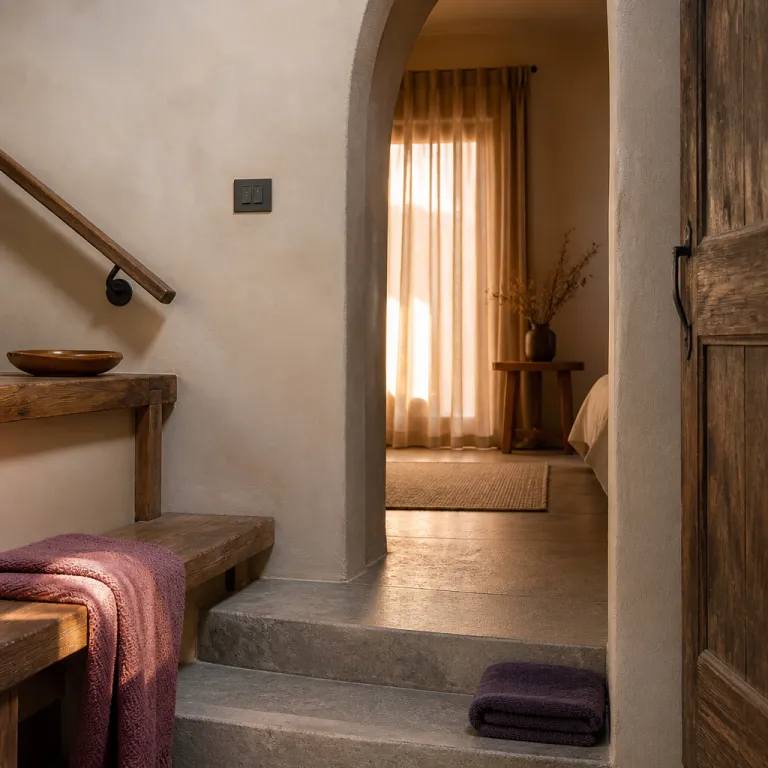
The quiet power of inn interior materials design
Walk into a characterful inn and the first impression rarely comes from paint. Your hand finds the bannister, your shoes meet the floorboards, and the inn interior materials design starts speaking before anyone at the hotel reception says a word. Those first seconds set expectations for comfort, care and whether this will feel like a true inn or just another anonymous hotel.
For premium family travelers, the stakes are high because every surface must work hard. Children sprawl on rugs, grandparents test the firmness of chairs, and parents quietly assess whether the hotel furniture and finishes will be easy clean after a long day outside. Thoughtful interior design in these independent properties is not about showy gestures; it is about how stone, plaster and wood perform under high traffic while still feeling generous and warm.
Across the hospitality industry, interior designers now treat touch as a primary design tool. A 2023 white paper from the American Society of Interior Designers on hospitality environments highlighted tactile surfaces in hotel interiors as a key driver of guest comfort, underlining how materials influence experience more than any styling trick. In that report, over two thirds of surveyed designers agreed that haptic qualities directly affect guest satisfaction, and one expert panel put it without hesitation, “They enhance user experience by engaging the sense of touch.”
The haptic hierarchy: what guests touch first and most
Every inn has a haptic hierarchy, a quiet ranking of surfaces that guests touch most. Door handles, bannisters, tabletops and bathroom tiles carry more weight in hotel design than distant feature walls or ceiling colors. When you evaluate hotel rooms online, pay attention to these contact points rather than only the wide angle shots of the space.
Start with the journey from threshold to room because this is where brand identity is either confirmed or undermined. A cool brass handle on a solid timber door tells you the hotel interior has been considered, while a hollow, rattling door instantly cheapens even the best paintwork. In high traffic corridors, well chosen wall materials and handrails can make independent properties feel reassuringly solid instead of temporary, especially for families arriving late with luggage and pushchairs.
Inside guest rooms, the bed frame, bedside table, light switches and bathroom fittings form the core of the guest experience. Families notice whether hotel furniture edges are rounded, whether floors are easy clean after muddy boots, and whether layered lighting allows one person to read while another sleeps. For a deeper sense of how definitions of inn versus hotel shift globally, the guide to world inn standards and changing classifications is essential reading.
Stone underfoot: when cool becomes cold and how good inns fix it

Stone floors in hotel interiors photograph beautifully, especially in heritage inns with generous entrance halls. In reality, the same stone can feel punishing on bare feet in winter or blissfully cool after a hot day on the trail. The difference lies in the inn interior materials design behind the scenes rather than the stone itself.
Thoughtful hotel design pairs stone with underfloor heating in guest rooms and bathrooms, or with thick wool runners in circulation spaces. This approach respects the material’s longevity and easy clean qualities while softening the initial contact for guests of all ages. Parents quickly notice whether a stone floored hotel room allows children to play on the ground without feeling chilled after ten minutes.
In family friendly hotels, stone is best used where high traffic and water meet, such as mudrooms, porches and shower areas. Here, the material’s durability and patina over time become part of the brand story, echoing the argument that the greenest inn is often the one that keeps its original shell rather than rebuilding. For a deeper dive into this philosophy, the piece on why the most sustainable inn is usually the one never demolished is a useful companion to any hotel interior assessment.
Plaster and paint: why walls matter less than you think
Paint colors dominate hotel marketing because they read clearly in photographs. Yet when guests describe how interiors feel after a stay, they rarely mention the exact shade of the walls unless it was aggressively wrong. What lingers instead is the sense of solidity or flimsiness in the plaster and the way light moves across it.
Inns that invest in lime plaster or textured finishes gain a subtle advantage in guest rooms and public spaces. These materials diffuse lighting softly, making even compact hotel rooms feel calmer and more generous, while also aging well as hairline cracks become part of the narrative. Families arriving late with tired children will not consciously analyse the wall build up, but they will register that the room feels quiet, grounded and well insulated from corridor noise.
From a practical standpoint, robust plaster and high quality paint systems reduce scuffs in high traffic areas and make touch ups genuinely easy clean. This matters in design hotel properties where brand identity depends on crisp interiors feel, but it is just as relevant in modest independent properties that host hiking boots and pushchairs. For travelers seeking luxury eco friendly inns that balance durability with low impact finishes, the editorial on sustainable elegance in inn interiors offers concrete examples worth bookmarking.
Wood, textiles and layered lighting: building warmth for premium families
Wood is the material that most quickly shifts a hotel room from functional to genuinely welcoming. A solid oak headboard, a walnut writing desk or even simple pine window seats change how guests feel about the same amount of space. When paired with natural textiles, these elements anchor the interior so that families instinctively relax on arrival.
Layered lighting then completes the picture by allowing different moods within the same room. Ceiling lights handle practical tasks, while wall sconces, reading lamps and low level night lights support the varied rhythms of parents and children. In well considered hotel interiors, this lighting strategy also highlights the grain of wood, the depth of plaster and the texture of stone rather than flattening everything into a single glare.
For premium family travelers, the combination of wood, textiles and intelligent lighting design choices often matters more than headline amenities. A compact hotel room with warm timber floors, dimmable lamps and tactile throws can feel more luxurious than a larger but echoing space finished in hard, shiny materials. Interior designers working in the hospitality industry increasingly prioritise these sensory layers because they know that “They can evoke comfort, warmth, and connection to the space.”
Reading photos like a pro: how to judge inn interiors before you book
Online galleries flatten reality, which is why some hotels look spectacular on screen yet feel thin in person. To read inn interior materials design accurately, train your eye on the edges of the frame rather than the styled centre. Skirting boards, door frames and window reveals often tell you more about build quality than any artfully placed cushion.
Look closely at floors in guest rooms and public spaces, checking whether they are real timber, engineered boards or laminate. Genuine wood and stone age well, developing character that supports a strong brand identity, while cheaper substitutes often deteriorate quickly under high traffic. Families should also scan for rugs that look substantial enough to cushion play, not just decorative runners that slide at the first sprint.
Next, study the hotel furniture and lighting in relation to the room layout. Are there sturdy tables for games, chairs that invite reading, and bedside lamps that can be switched off without crossing the entire space? These details shape the guest experience more than any single design statement, and they separate independent properties that live up to the inn promise from generic hotels trading on the word. When in doubt, remember the simple guidance from material specialists in New York: “Stone, plaster, wood, textiles, and ceramics.”
Key figures shaping tactile inn interiors
- A 2022 hospitality design survey by the Global Wellness Institute found that a clear majority of interior designers now emphasise tactile materials as a core part of interior design strategy, reflecting a shift from purely visual hotel design toward touch driven experiences.
- Market analyses from firms such as JLL and CBRE indicate a steady increase in demand for natural materials such as stone, plaster and wood in hotel interiors, driven by guests who associate these finishes with authenticity and long term comfort. One recent review of European boutique hotels, for example, noted that properties with predominantly natural finishes achieved higher repeat visit rates than those relying on synthetic surfaces.
- Industry conferences dedicated to tactile surfaces in hotel interior projects now attract full day attendance schedules, signalling that the hospitality industry treats inn interior materials design as a serious performance factor rather than a decorative afterthought.
- Design associations report that properties investing in durable, easy clean materials for high traffic areas often reduce annual maintenance interventions by double digit percentages, freeing budgets for better furniture and lighting upgrades.
FAQ about tactile materials in inn interiors
Why are tactile surfaces so important in inn interiors?
Tactile surfaces shape how guests feel about a hotel long before they notice colors or styling. Bannisters, floors, handles and textiles communicate solidity, care and cleanliness through every touch. For families, these cues strongly influence whether a stay feels genuinely comfortable or merely adequate.
Which materials age well in high traffic inn environments?
Natural stone, hardwood, copper and quality linen tend to age well, developing a patina that suits characterful hotel interiors. In contrast, laminate, synthetic carpet and thin MDF often show wear quickly under high traffic. Choosing robust materials at the outset usually delivers better long term value and a stronger brand identity.
How can I judge inn interior quality from booking photos?
Focus on floors, door frames, window reveals and hotel furniture rather than only the main styling moments. Look for real wood, solid stone, substantial textiles and layered lighting rather than shiny, uniform surfaces. These clues often reveal whether the inn interior materials design will feel reassuringly solid in person.
Are eco friendly materials compatible with luxury inn stays?
Eco conscious materials such as reclaimed wood, local stone and natural plasters can feel more luxurious than synthetic alternatives when detailed well. They offer better interiors feel, improved air quality and a stronger sense of place for guests. Many leading hotels now use these materials as the foundation of their luxury positioning rather than as an optional extra.
What should premium family travelers prioritise when choosing an inn?
Prioritise solid floors, comfortable textiles, generous lighting and practical layouts in guest rooms. Check that high traffic areas use durable, easy clean materials and that furniture looks robust enough for real family life. When these fundamentals are right, the overall guest experience usually follows.